
What counts as service robots?
A robot belongs here when it is meant to help people directly in public, commercial, healthcare, hospitality, or facility environments.
Robot Categories
Browse robots by market, form factor, use case, and grade.
Category Guide
Robots built for customer-facing, hospitality, healthcare, delivery, reception, and facility support roles.
Service robots are compared here when they are designed for customer-facing work, hospitality, healthcare support, delivery, reception, cleaning, or facility assistance.
A robot belongs here when it is meant to help people directly in public, commercial, healthcare, hospitality, or facility environments.
Pure research platforms, industrial arms, and warehouse-only robots should be compared in other categories unless they have a clear service role.
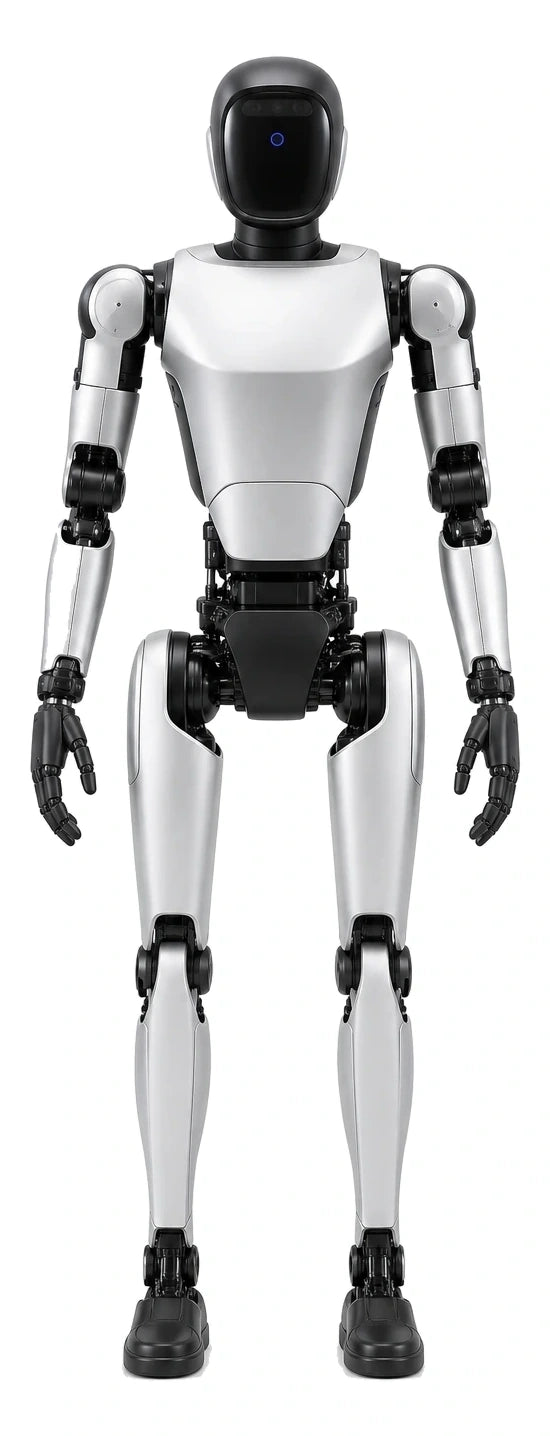
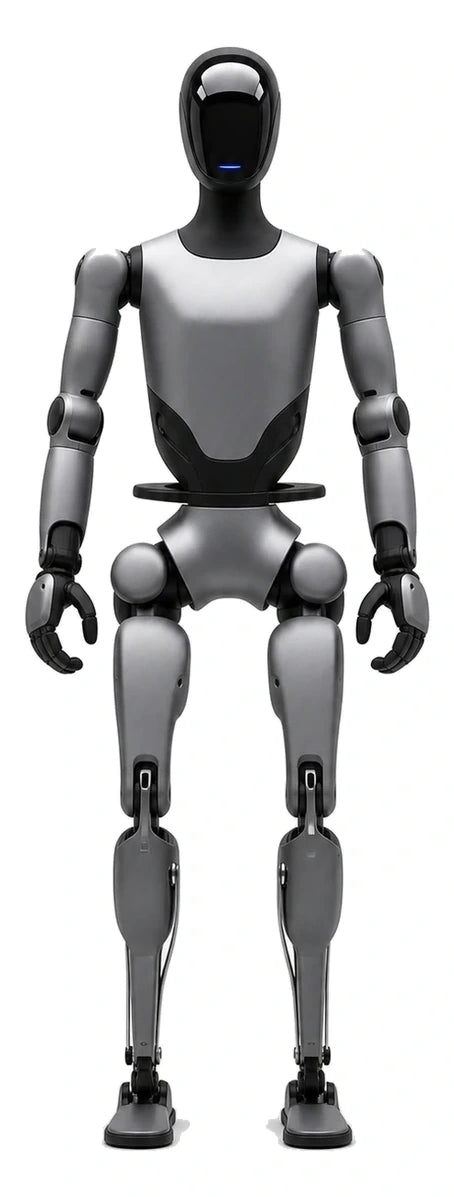
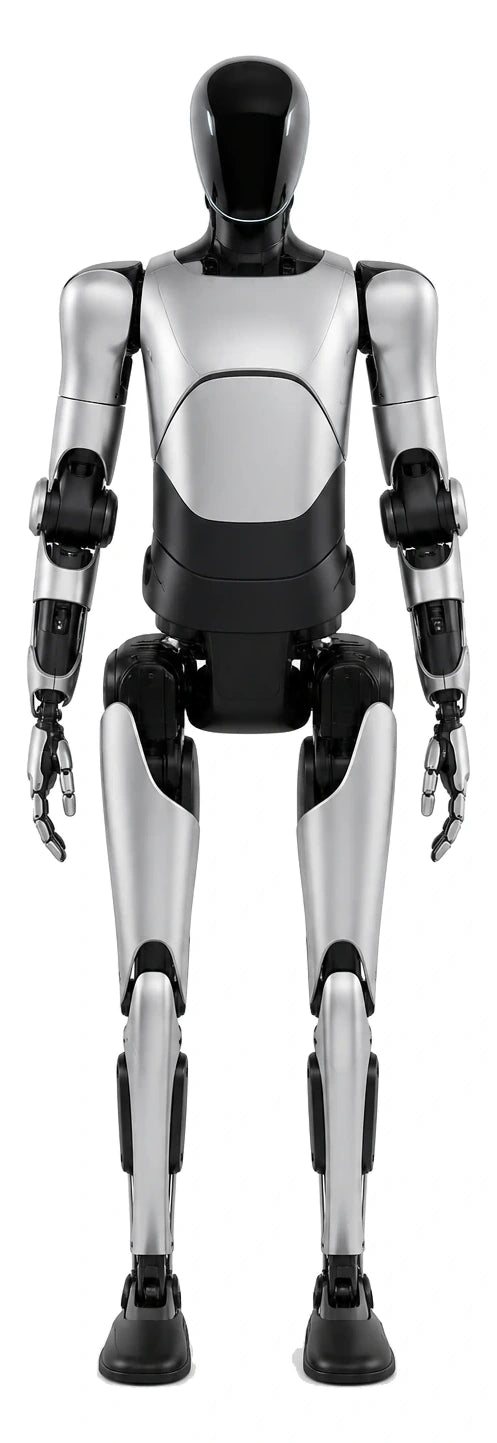
Pepper, Walker S, GR-2, AgiBot A2, Walker X, PUDU D9, Pudu D9, Agibot A2 are useful starting points for this category. Use them to compare size, maturity, availability, source quality, and visible hardware.
1X Technologies, AgiBot, Astribot, Bear Robotics, Engineered Arts, FF EAI Robotics, Fourier Intelligence, Pudu Robotics, SoftBank Robotics, UBTECH Robotics. Manufacturer maturity matters because support, documentation, spare parts, and deployment programs can matter as much as raw specs.
The table gives a quick side-by-side view. Open a robot profile when you need the full spec sheet, image gallery, videos, source links, and notes about uncertain fields.
| Spec | 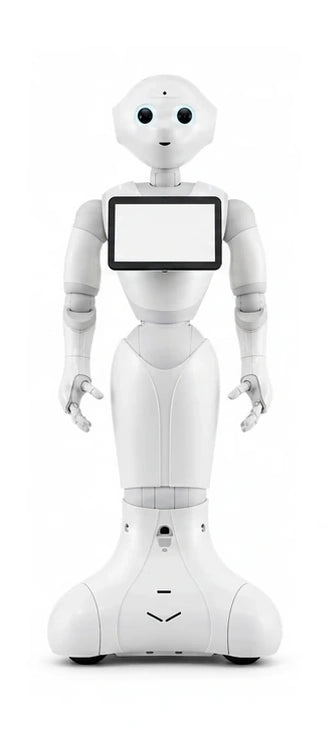 Pepper Pepper |
 Walker S Walker S |
 GR-2 GR-2 |
 AgiBot A2 AgiBot A2 |
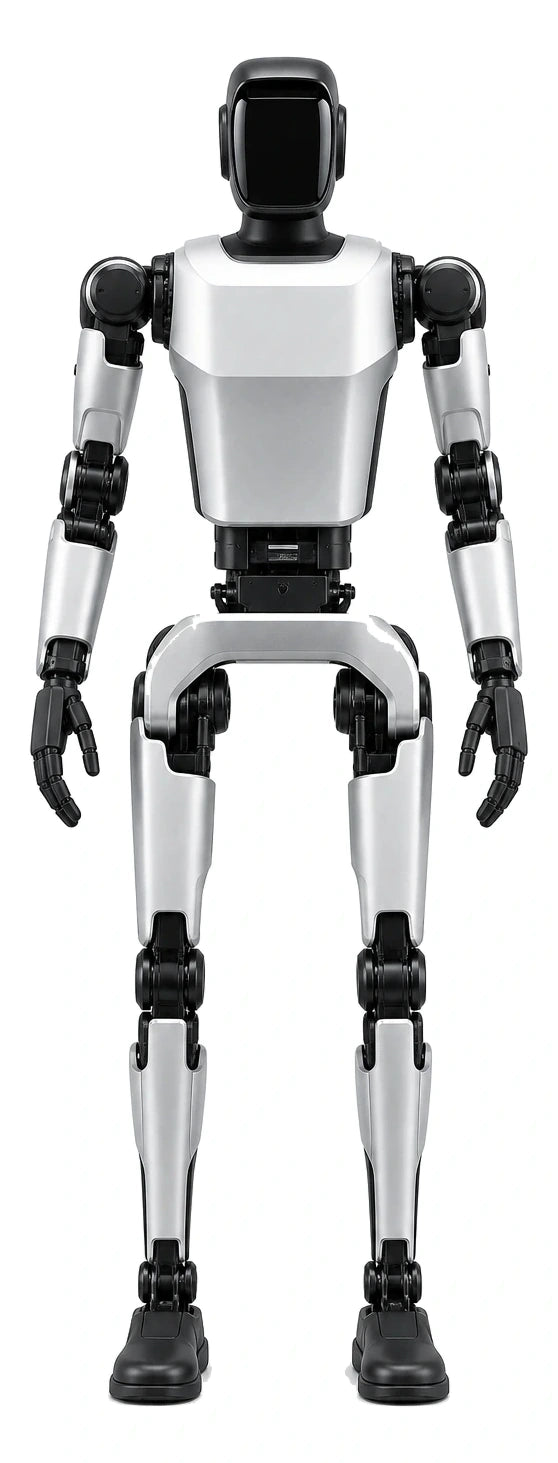 Walker X Walker X |
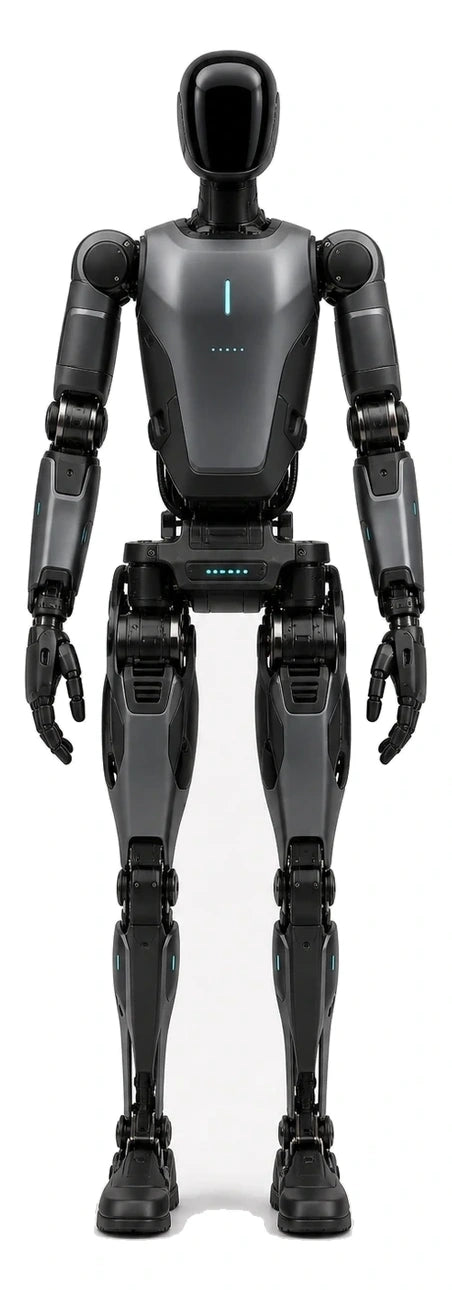 PUDU D9 PUDU D9 |
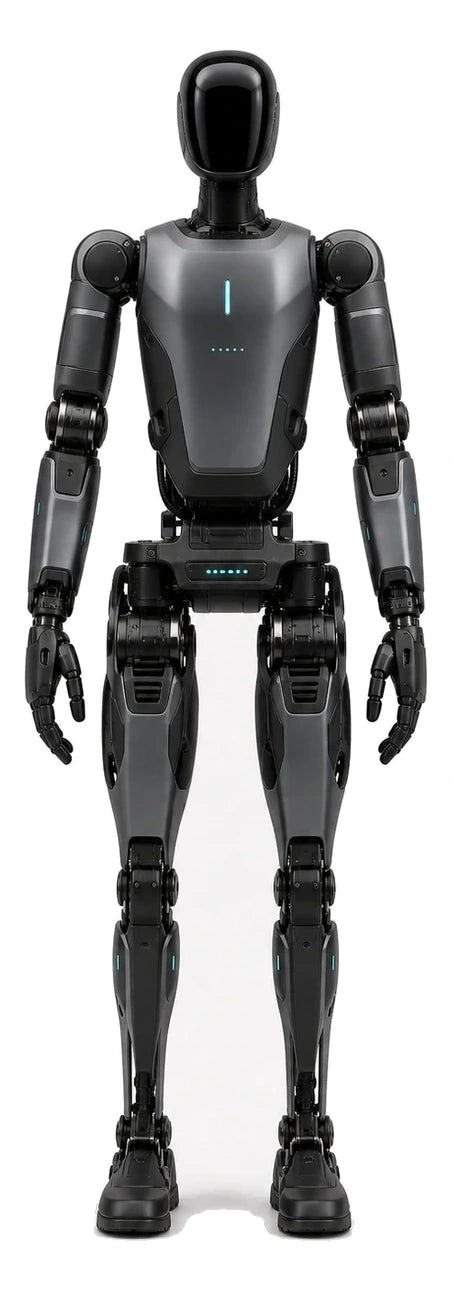 Pudu D9 Pudu D9 |
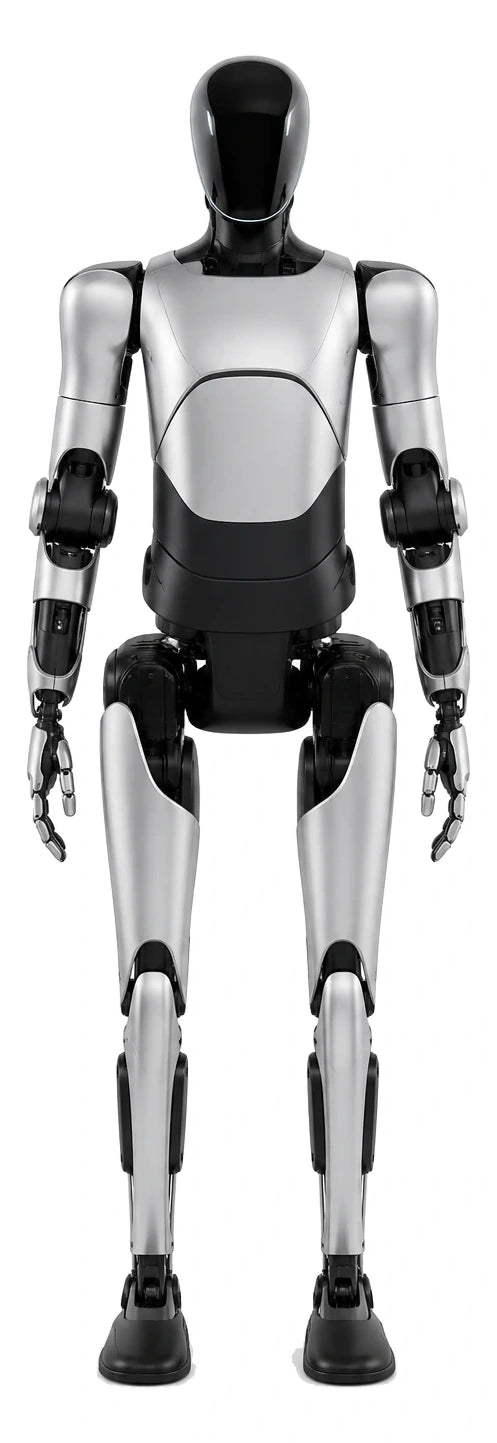 Agibot A2 Agibot A2 |
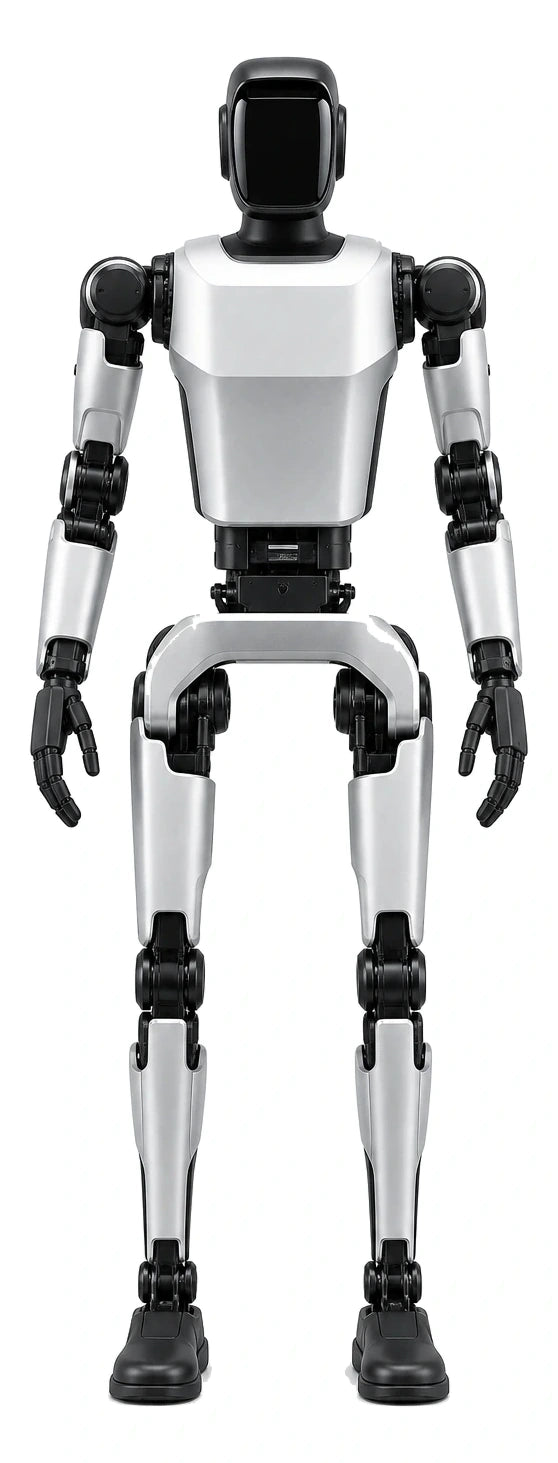 Walker X Walker X |
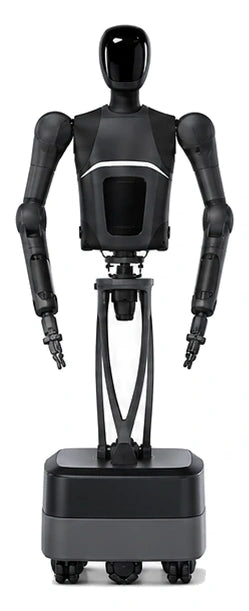 Pudu D7 Pudu D7 |
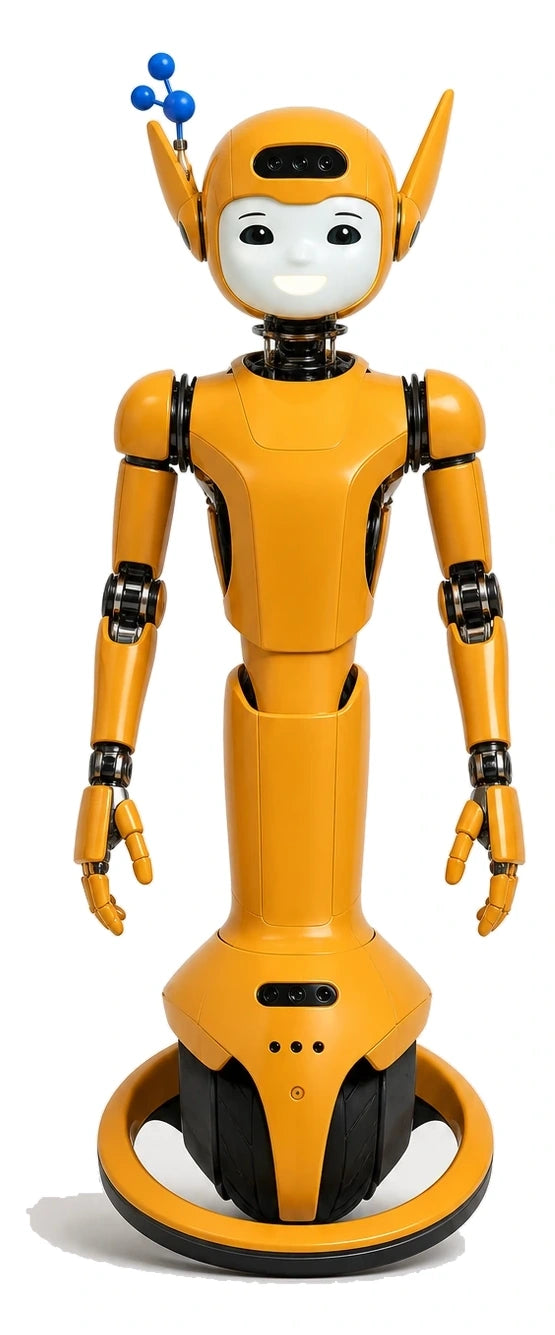 Mirokai Mirokai |
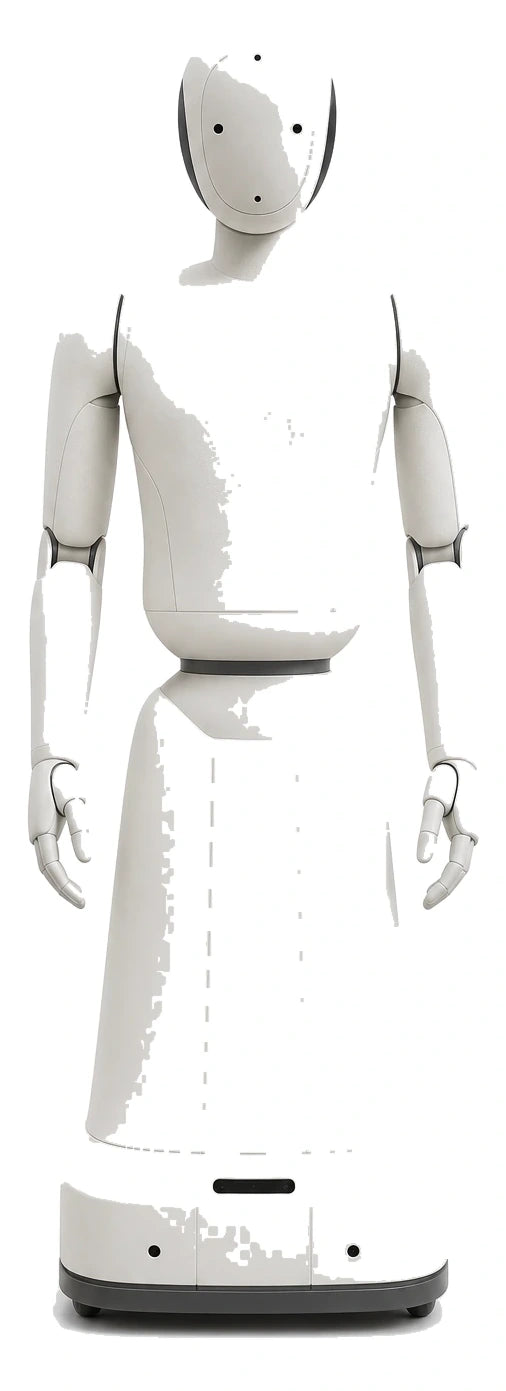 EVE EVE |
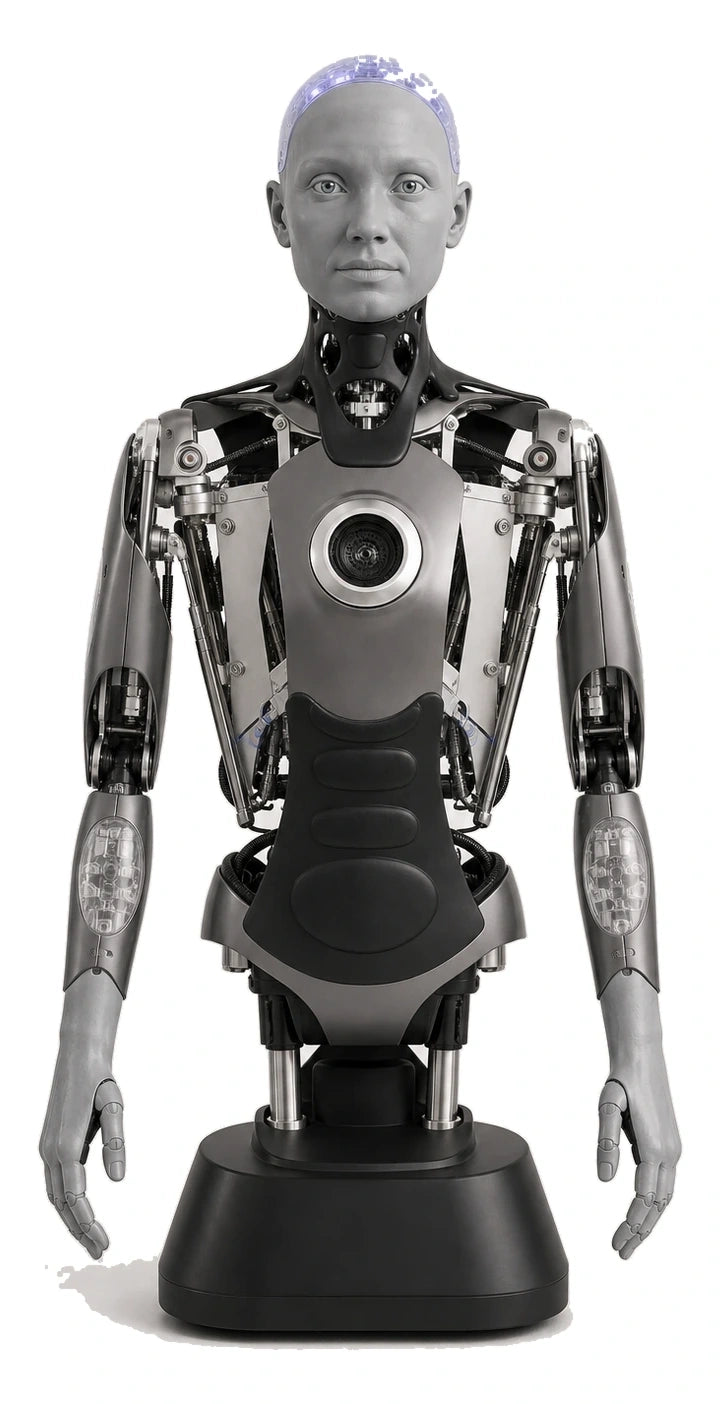 Ameca Ameca |
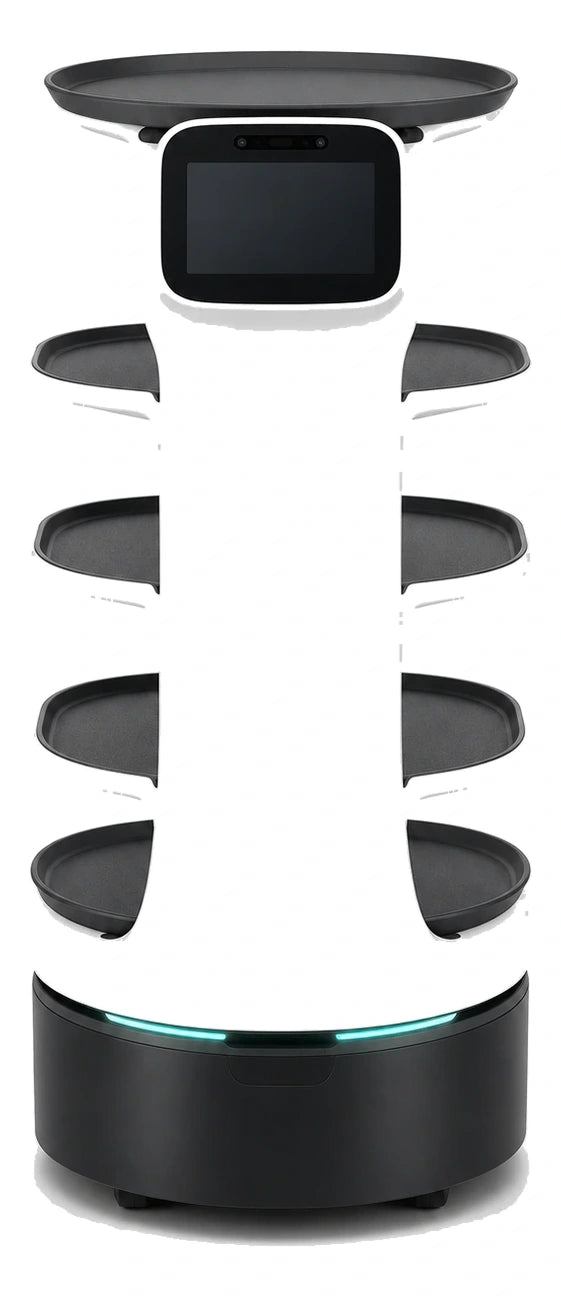 Servi Servi |
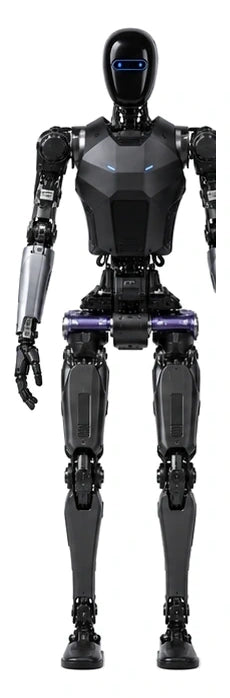 GR-1 GR-1 |
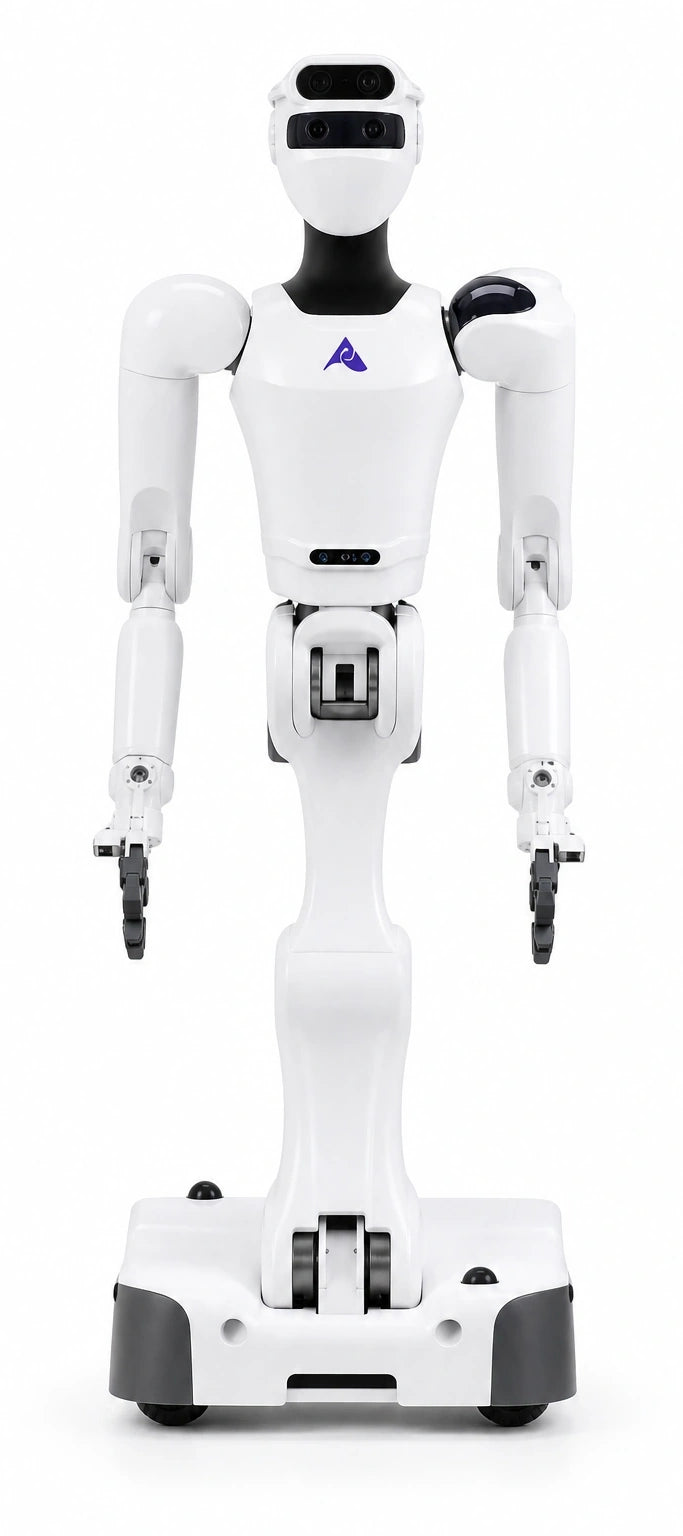 Astribot S1 Astribot S1 |
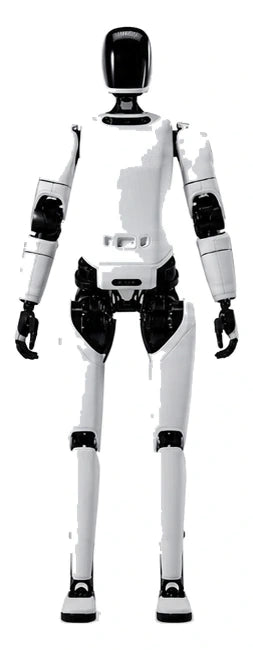 Ff Futurist Ff Futurist |
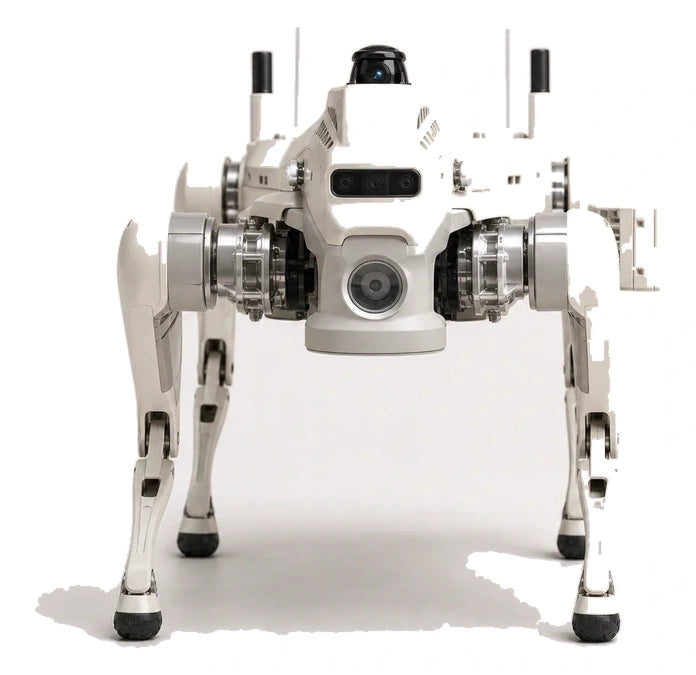 Ff Aegis Advanced Quadruped Ff Aegis Advanced Quadruped |
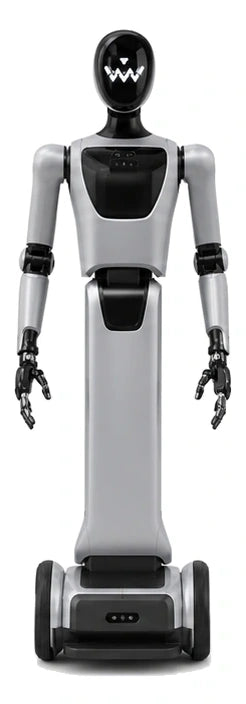 Xman R1 Xman R1 |
|---|---|---|---|---|---|---|---|---|---|---|---|---|---|---|---|---|---|---|---|
| Availability | Discontinued | Piloting | Announced | Announced | Announced | Announced | Not publicly confirmed | Not publicly confirmed | Not publicly confirmed | Not publicly confirmed | Not publicly confirmed | Piloting | Paid deployment | Paid deployment | Announced | Prototype | Not publicly confirmed | Public product page | Not publicly confirmed |
| Price | Historical pricing varied by plan/region | Enterprise pricing not publicly listed | Approx | USD 100,000-190,000 reported configuration range | Price not publicly listed | Enterprise quote | Enterprise quote | USD 100,000-190,000 reported configuration range | Price not publicly listed | Price not publicly listed | Price not publicly listed | No public MSRP found | No public MSRP found | Price not publicly listed | Price not publicly listed | Price not publicly listed | Price not publicly listed | Price not publicly listed | Price not publicly listed |
| Height | 1210 mm | 170 cm (1700 mm) | 175 cm (1750 mm) | 175 cm (1750 mm) | 1300 mm (reported by secondary vendor listing) | 170 cm (1700 mm) | 170 cm (1700 mm) | 175 cm (1750 mm) | 1300 mm | 165 mm | 130 mm | Not publicly listed | Not publicly listed | Not publicly listed | Not publicly listed | Not publicly listed | 167 mm | Not publicly listed | Not publicly listed |
| Weight | 29 kg | 77 kg | 63 kg | 55 kg | 63 kg (reported by secondary vendor listing) | 65 kg | 65 kg | 55 kg | 63 kg | 45 kg | 30 kg | Not publicly listed | Not publicly listed | Not publicly listed | Not publicly listed | Not publicly listed | Not publicly listed | Not publicly listed | Not publicly listed |
| Payload | Not publicly listed | 10 kg reported | 3 kg single-arm payload | 15 kg per arm | 3 kg (reported by secondary vendor listing) | 20 kg maximum payload | 20 kg maximum payload | 15 kg per arm | 3 kg | 10 kg | Not publicly listed | Not publicly listed | Not publicly listed | 22 lb | Not publicly listed | Not publicly listed | Not publicly listed | Not publicly listed | Not publicly listed |
| Runtime | Approximately 12 hours in shop use | ~2 hours | ~2 hours | 2 hours | 2 hours (reported by secondary vendor listing) | Not publicly listed | 8 hours | 2 hours | 2 hours | 8 hours | 4 hours | Not publicly disclosed / not applicable for typical tethered... | Not publicly disclosed / not applicable for typical tethered... | Not publicly listed | Not publicly listed | Not publicly listed | 3 hours | Not publicly listed | Not publicly listed |
| DOF | 20 moving parts / motors | 41 | 53 | 49+ | 41 (reported by secondary vendor listing) | 42 | 42 | 49+ | 41 | 30 | 28 | Not publicly listed | Not publicly listed | Not publicly listed | Not publicly listed | Not publicly listed | 28 | Not publicly listed | Not publicly listed |
Check whether each robot is sold today, limited to pilots, enterprise quote-only, announced, discontinued, or mainly a research platform. Availability is often the fastest way to narrow the list.
For service robots, compare reliability, safety, navigation, battery life, carrying capacity, interaction design, support model, cleaning or delivery capability, and real deployment evidence.
Many robot companies publish partial specs. If price, runtime, safety, SDK, warranty, or deployment details are missing, treat that as unconfirmed rather than assuming the robot can do the job.
Pick robots that are close to your use case, then compare the complete profiles rather than judging from a single demo image, price claim, or headline specification.
Use the category page as a shortlist builder. The best next step is to compare a few robots that are close in size, task, price status, and maturity, then read the individual profiles before making any buying or research decision.
Some robots belong to more than one category. A research humanoid can also be relevant to enterprise pilots, and a service robot can overlap with consumer or healthcare use. When that happens, the individual robot page is the better place to judge fit.
Industrial humanoid from UBTECH Robotics
Fourier next-generation humanoid robot
Pudu D9 is listed with specs, images, and availability data.
Agibot A2 is listed with specs, images, and availability data.
Walker X is listed with specs, images, and availability data.
Pudu D7 is listed with specs, images, and availability data.
Mirokai is listed with specs, images, and availability data.
Expressive humanoid robot from Engineered Arts
Fourier full-size general-purpose humanoid robot
Ff Futurist is listed with specs, images, and availability data.
FF EAI Robotics quadruped service robot for hospitality, family, public-service, security and factory scenarios.
Xman R1 is listed with specs, images, and availability data.
Service Robots are grouped by use case, public specifications, manufacturer positioning, and curated profile data.
Some robots are sold, some are enterprise-only, and many are still prototypes or pilot programs. Verify availability on each robot page; sparse categories should be treated as research areas until more source-backed records are connected.
Price, availability, payload, runtime, DOF, safety, SDK or ROS support, source quality, and deployment readiness usually matter more than promotional videos alone.