
What counts as industrial robots?
A robot belongs here when its public use case fits factory, production, inspection, handling, or industrial operations.
Robot Categories
Browse robots by market, form factor, use case, and grade.
Category Guide
Robots relevant to manufacturing, inspection, logistics, production, and industrial automation.
Industrial robots are grouped here when they are relevant to manufacturing, production, inspection, logistics, or rugged automation work.
A robot belongs here when its public use case fits factory, production, inspection, handling, or industrial operations.
Home robots, social robots, and research demos should be compared elsewhere unless they have a credible industrial role.
Atlas, Walker S, Menteebot, Figure 02, AgiBot A2, Kepler Forerunner, Figure 01, Unitree H2 are useful starting points for this category. Use them to compare size, maturity, availability, source quality, and visible hardware.
ABB, ANYbotics, AgiBot, Agility Robotics, Apptronik, Boston Dynamics, FF EAI Robotics, Figure AI, Franka Robotics, KUKA. Manufacturer maturity matters because support, documentation, spare parts, and deployment programs can matter as much as raw specs.
The table gives a quick side-by-side view. Open a robot profile when you need the full spec sheet, image gallery, videos, source links, and notes about uncertain fields.
| Spec | 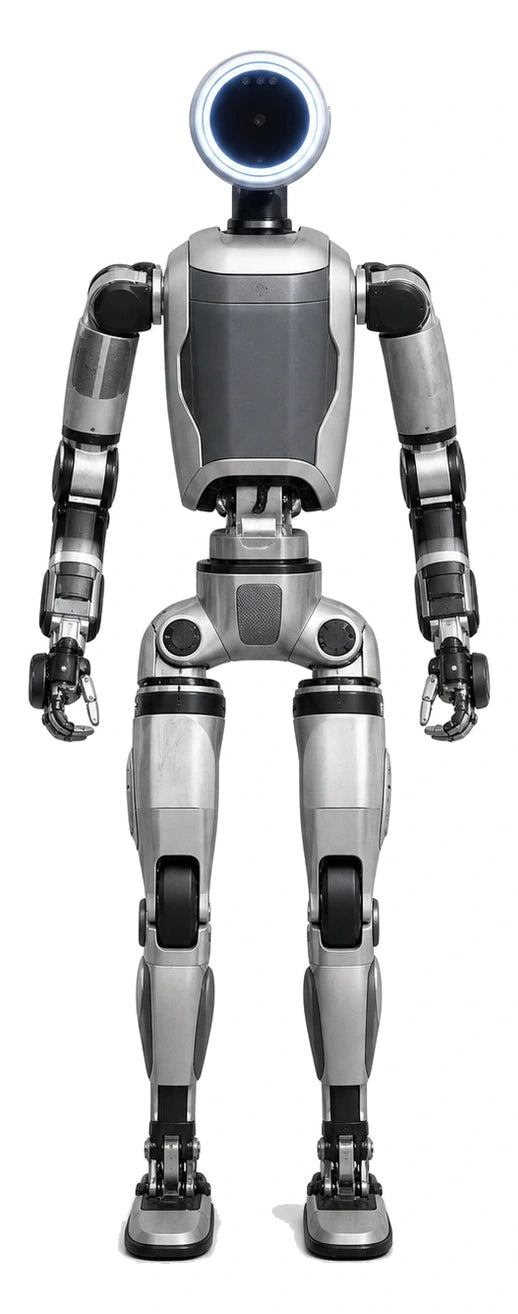 Atlas Atlas |
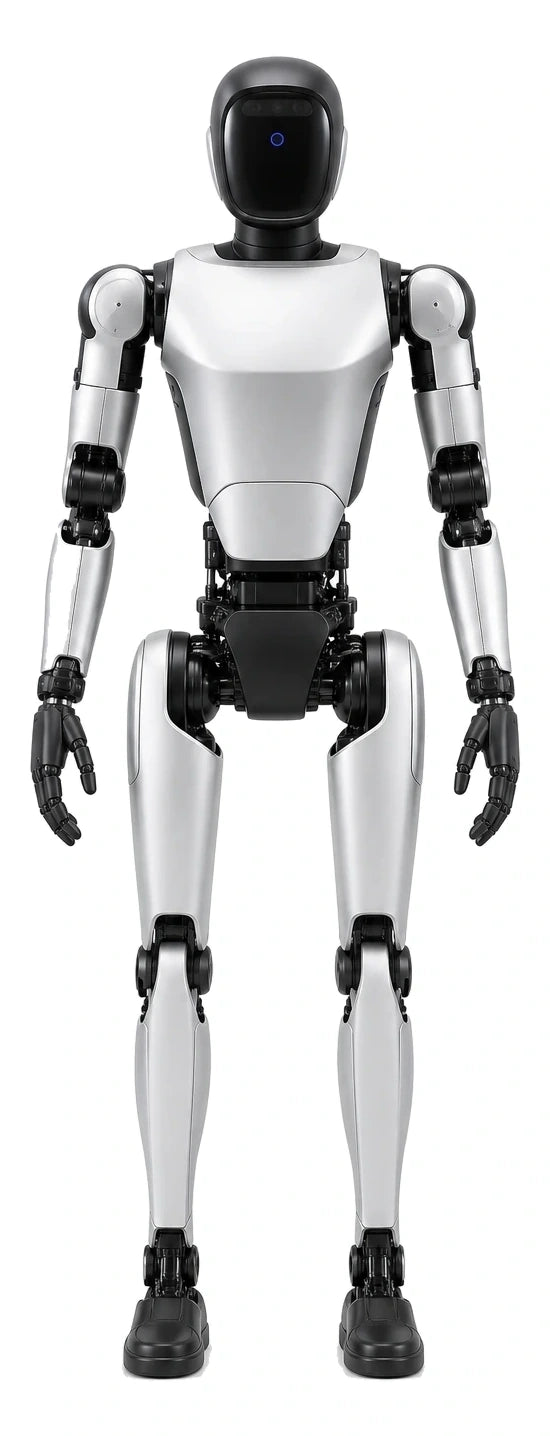 Walker S Walker S |
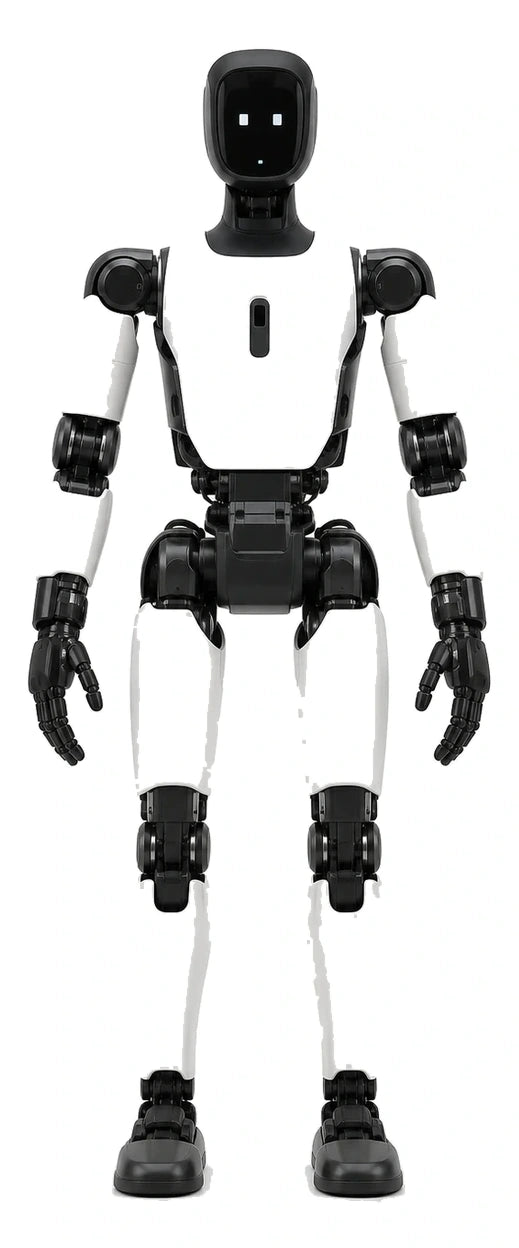 Menteebot Menteebot |
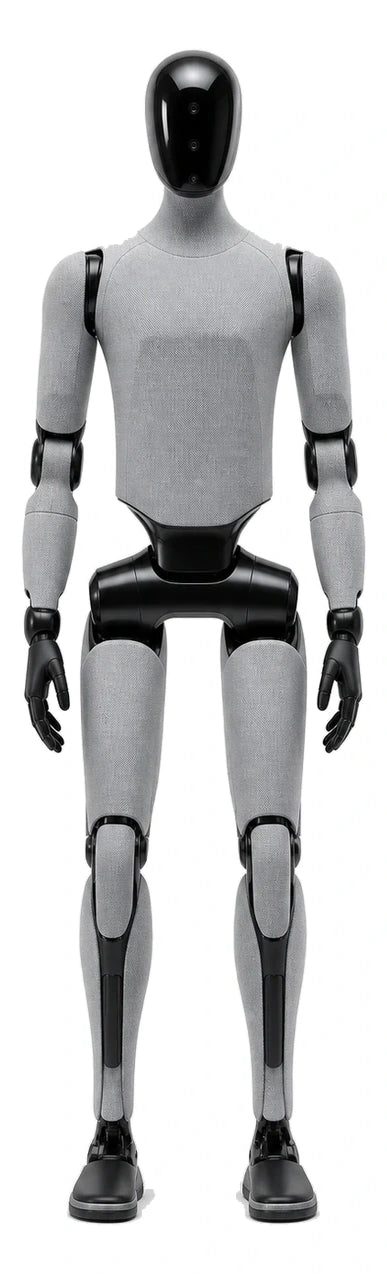 Figure 02 Figure 02 |
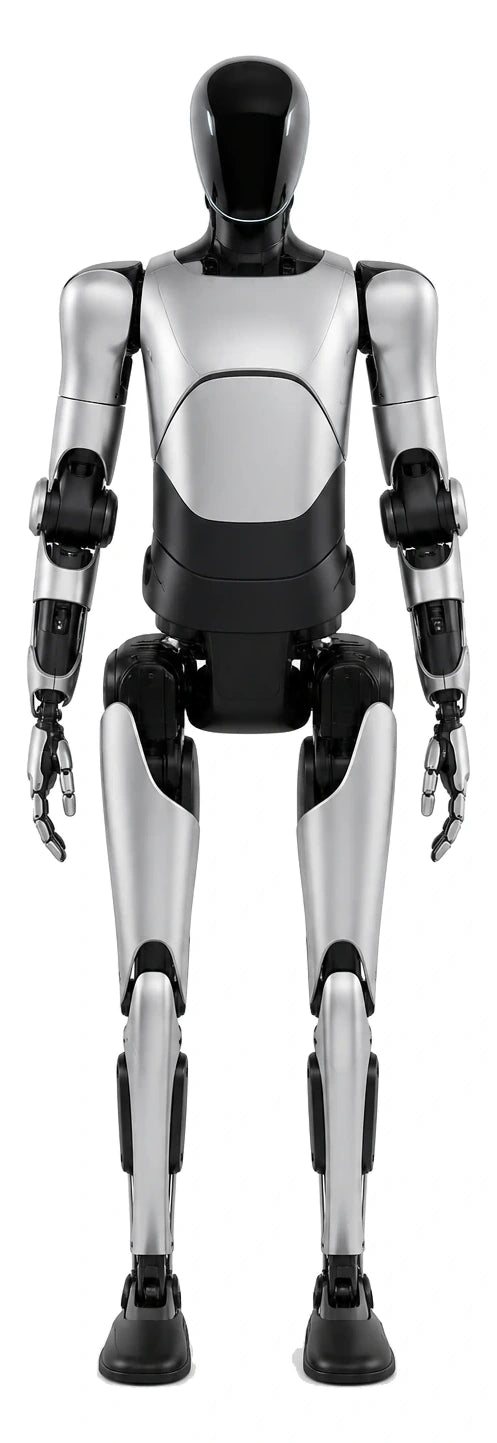 AgiBot A2 AgiBot A2 |
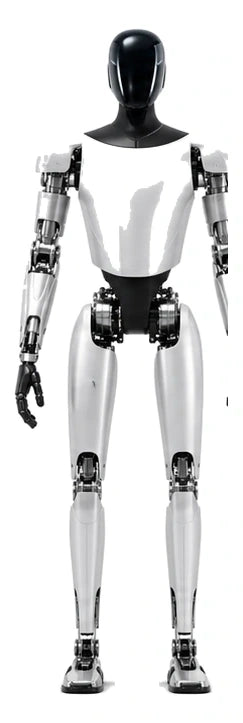 Kepler Forerunner Kepler Forerunner |
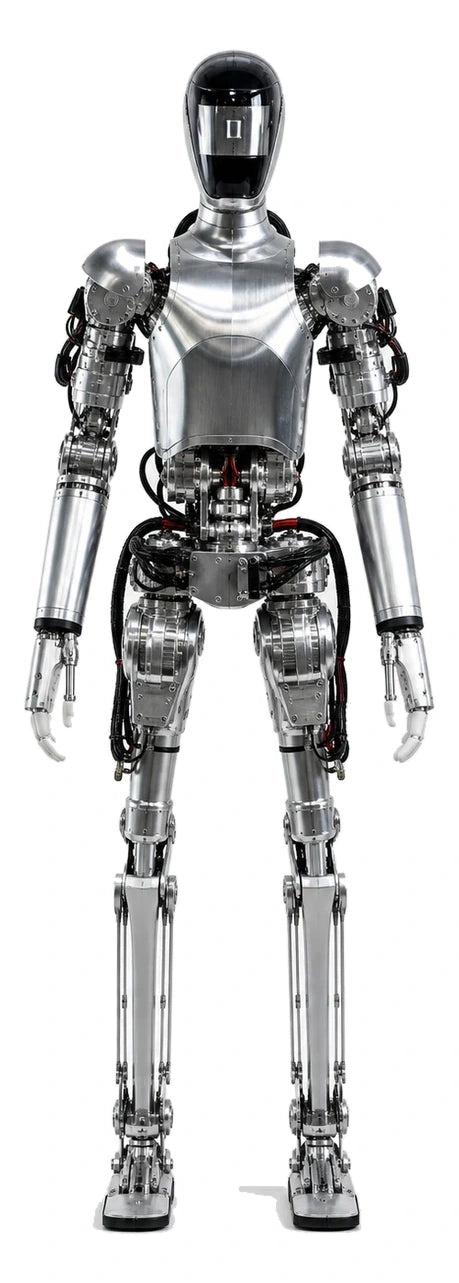 Figure 01 Figure 01 |
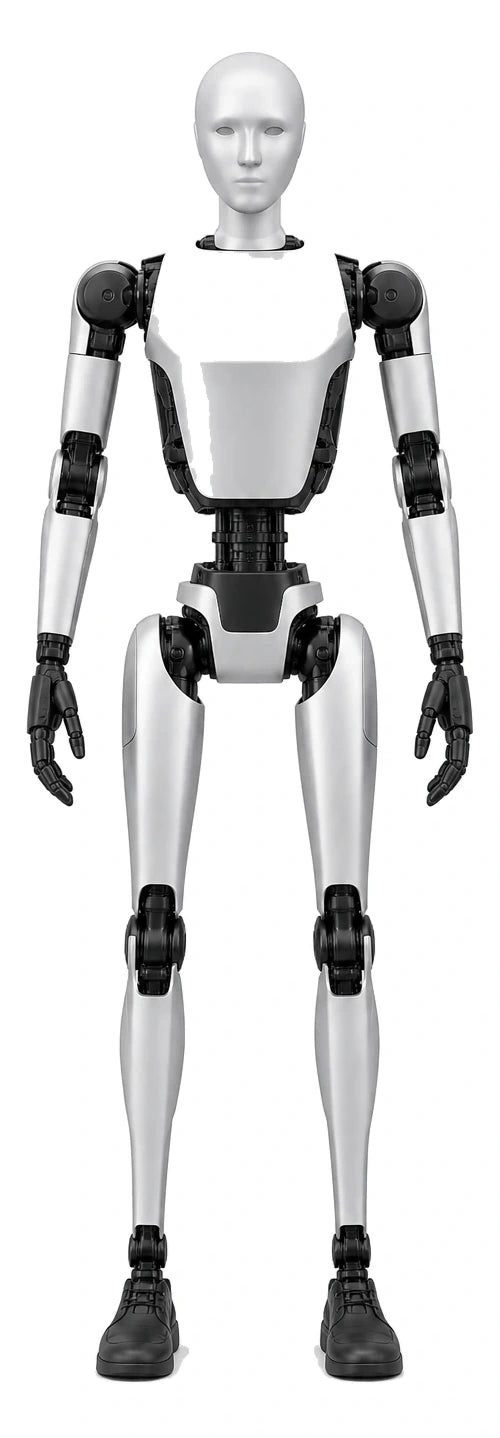 Unitree H2 Unitree H2 |
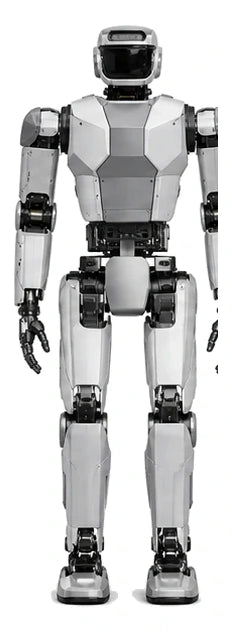 HRP-5P HRP-5P |
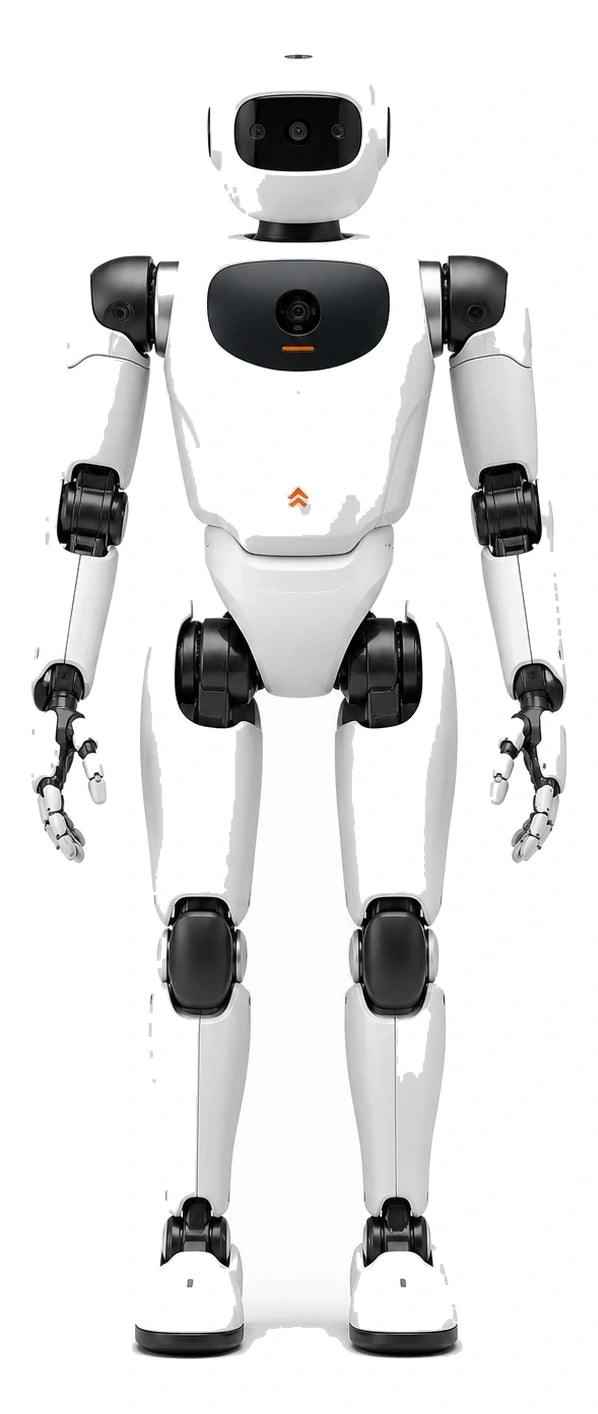 Apollo Apollo |
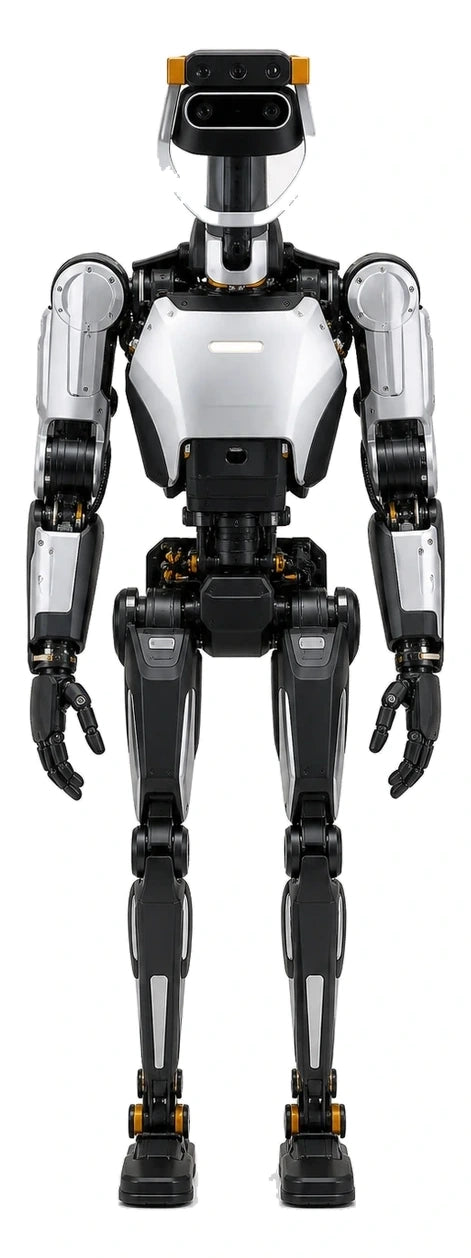 Phoenix Phoenix |
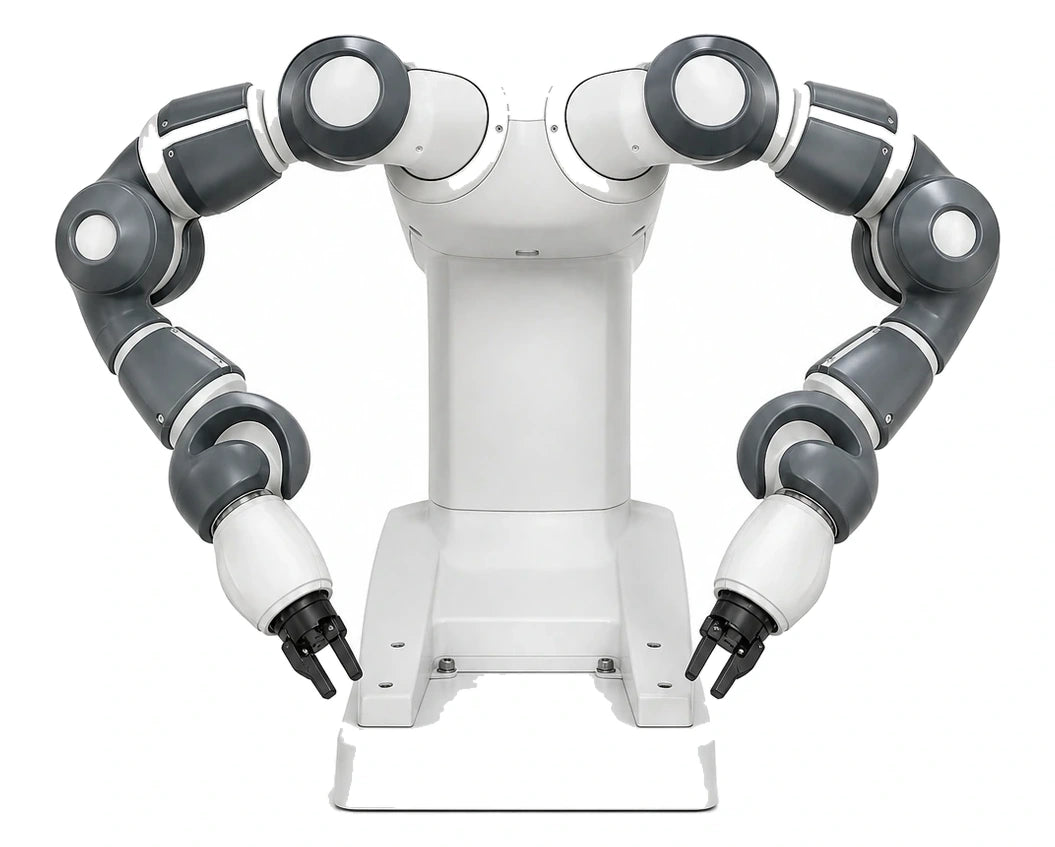 YuMi YuMi |
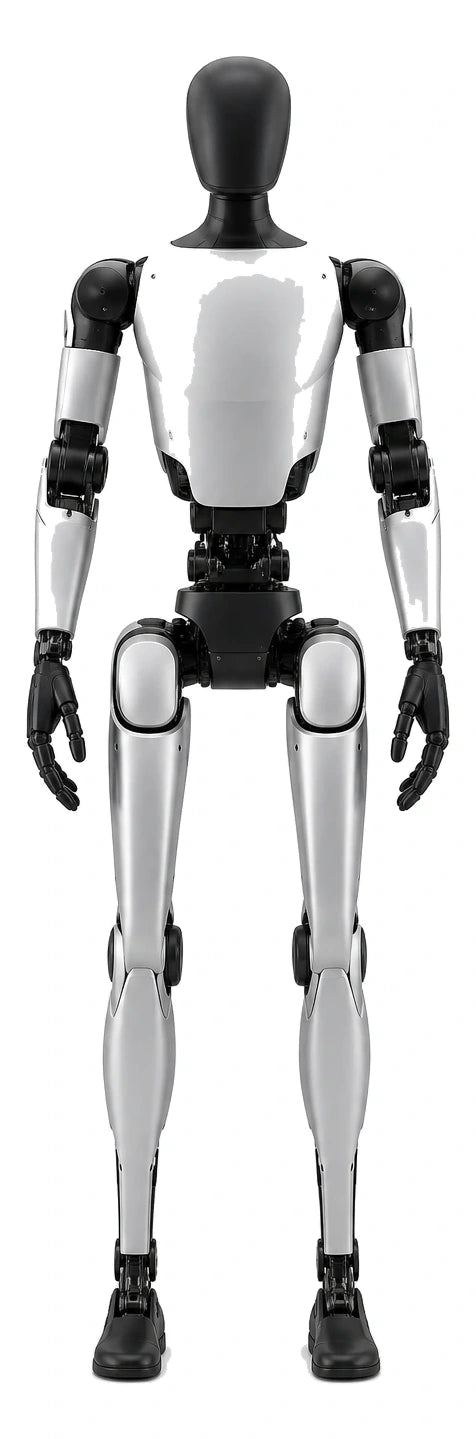 Unitree H1 Unitree H1 |
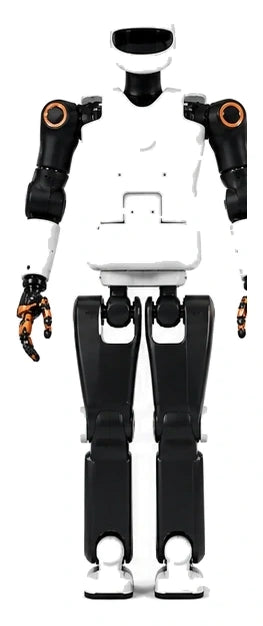 TALOS TALOS |
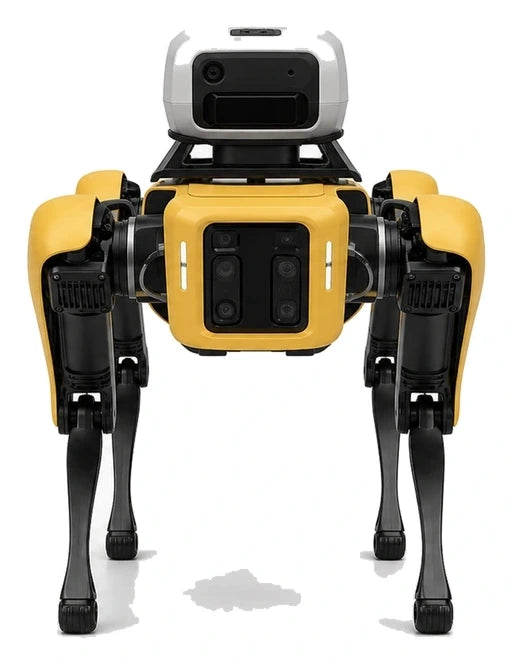 Spot Spot |
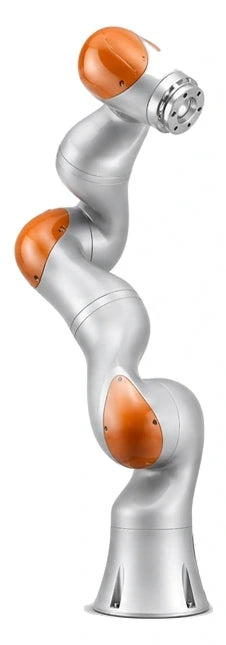 LBR iiwa LBR iiwa |
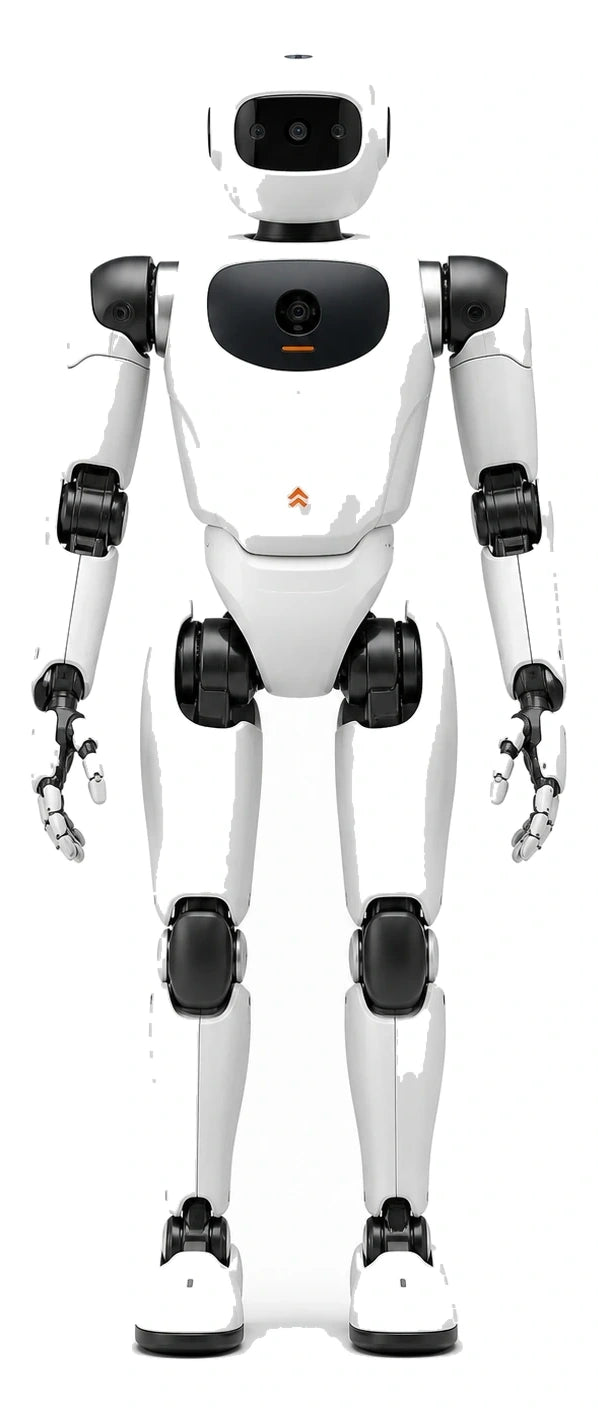 Apptronik Apollo Apptronik Apollo |
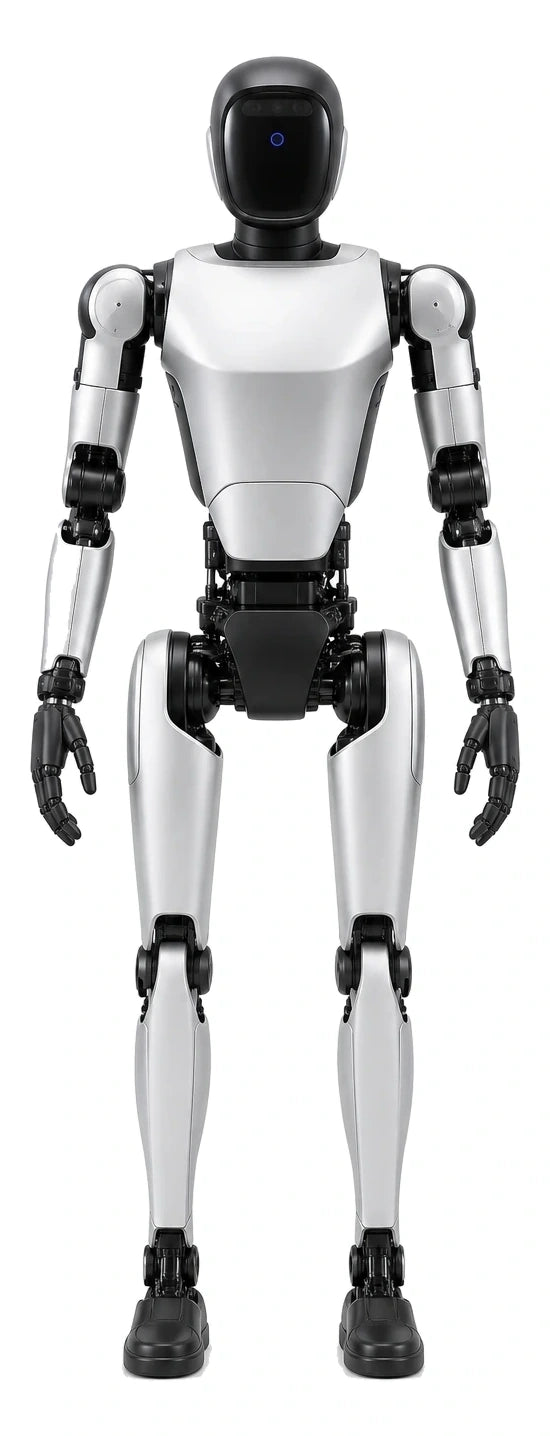 Walker S Walker S |
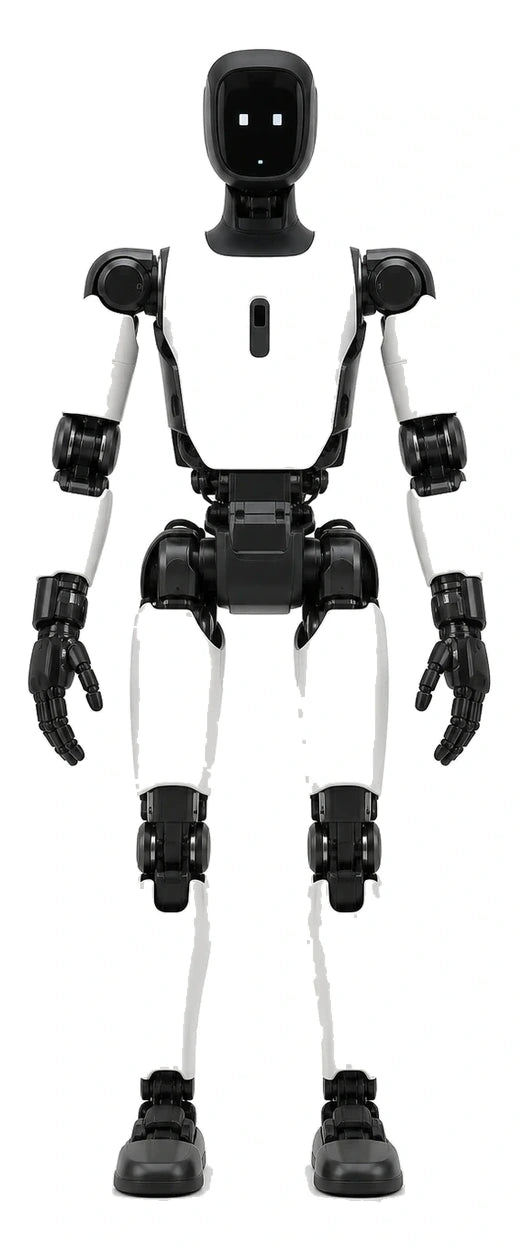 Menteebot Menteebot |
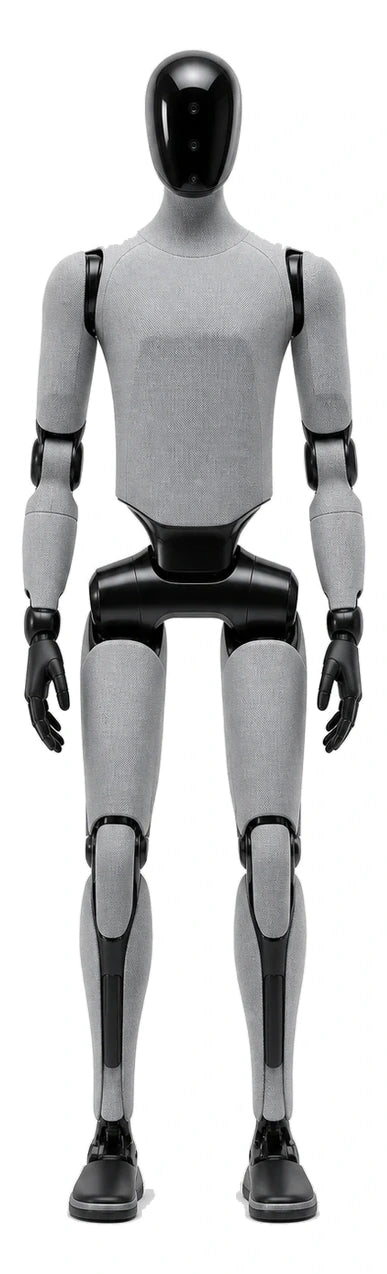 Figure 02 Figure 02 |
 Digit Digit |
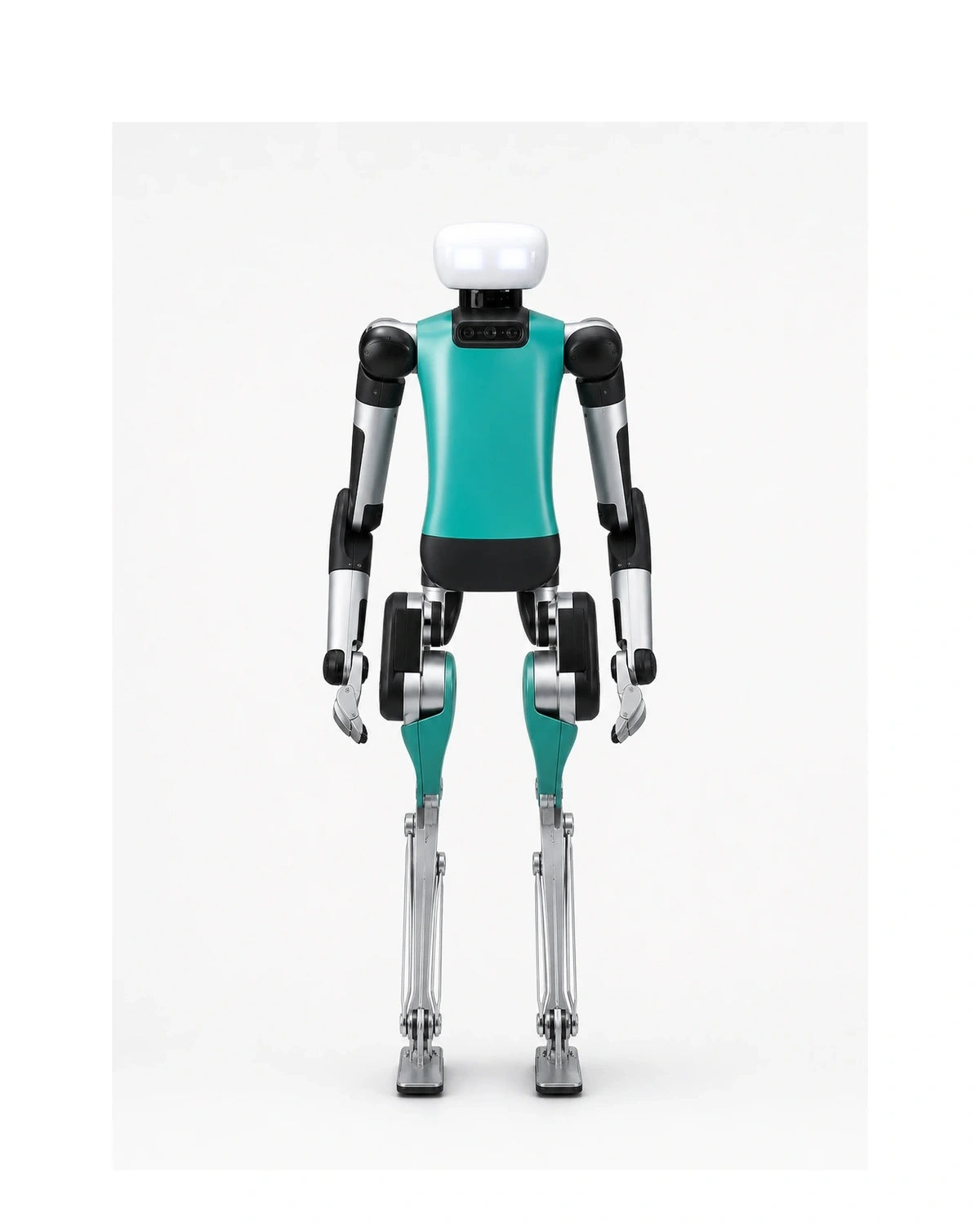 Digit Digit |
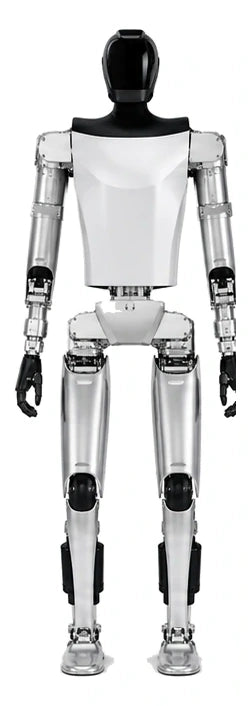 Kepler Kepler |
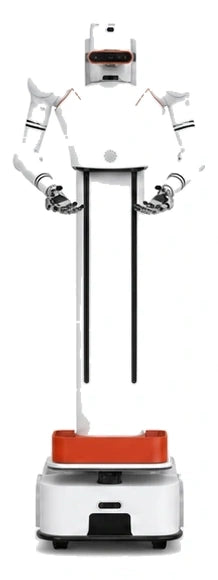 Tekntrash Alpha Tekntrash Alpha |
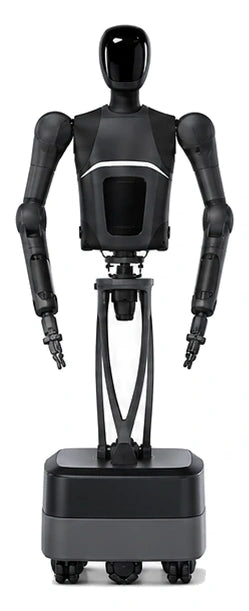 Pudu D7 Pudu D7 |
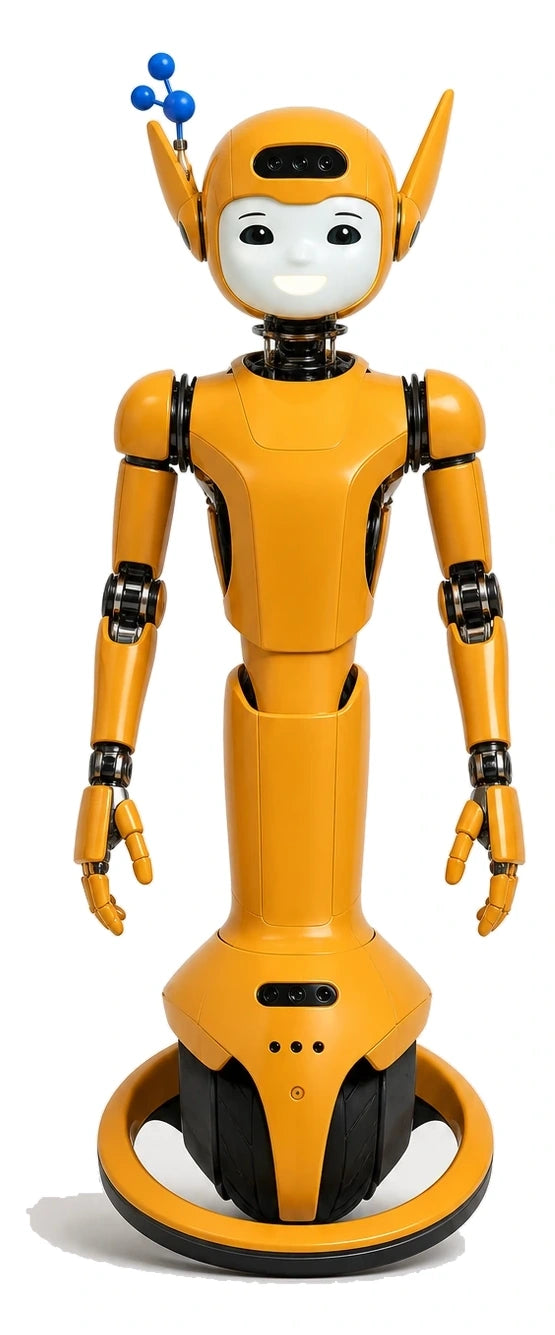 Mirokai Mirokai |
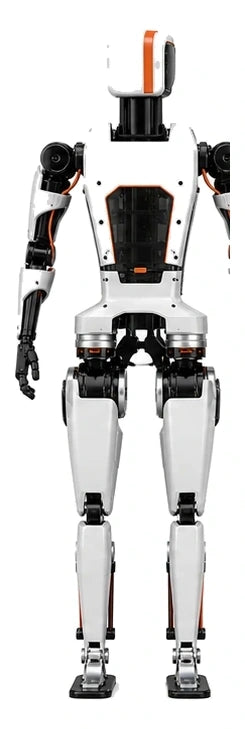 Limx Limx |
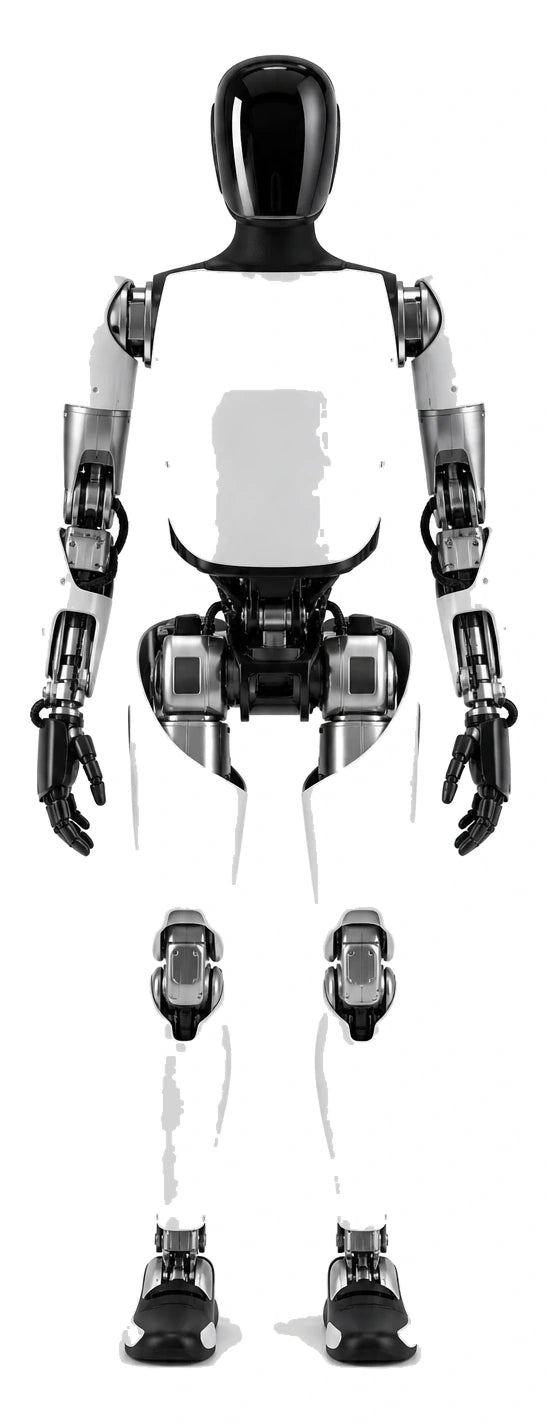 Hmnd 01 Hmnd 01 |
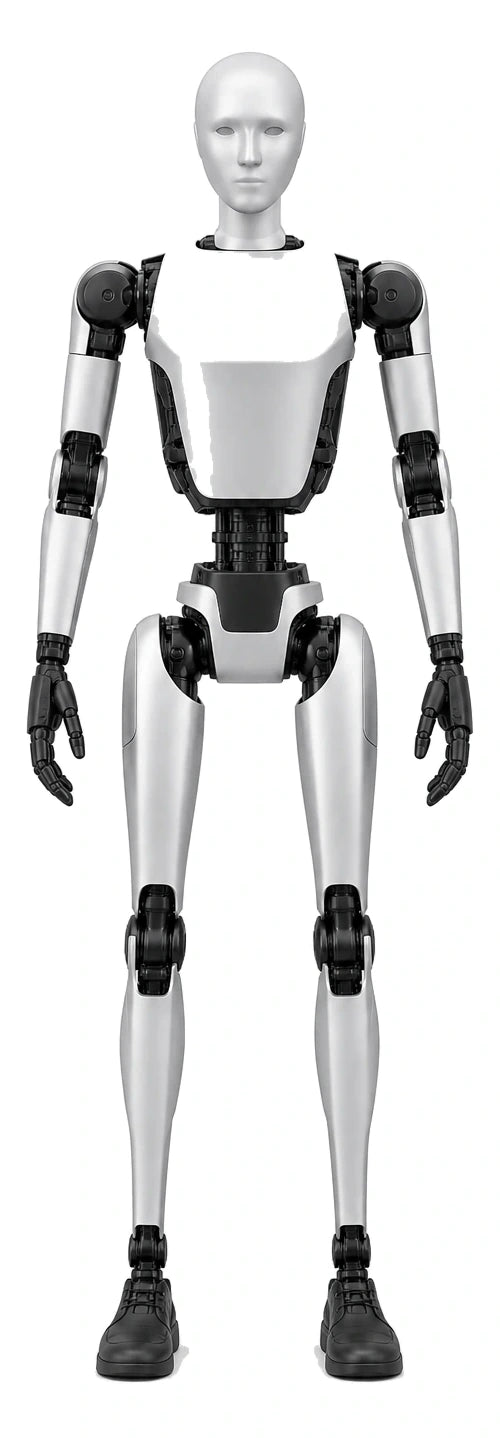 Unitree H2 Unitree H2 |
 Franka Research 3 Franka Research 3 |
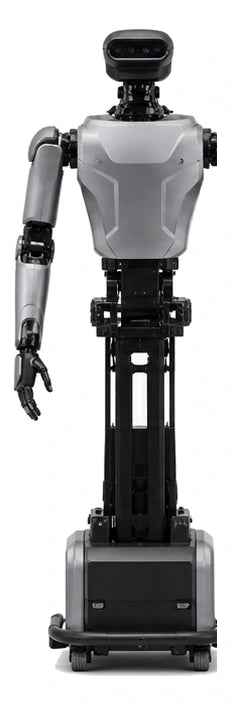 ARMAR-6 ARMAR-6 |
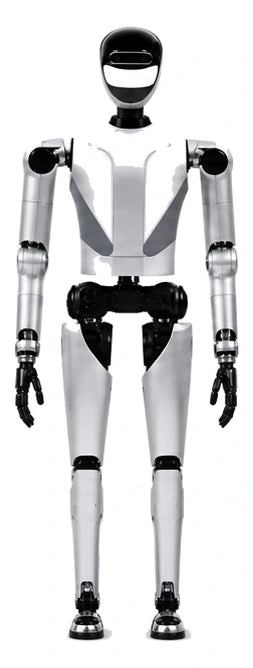 Robotera L7 Robotera L7 |
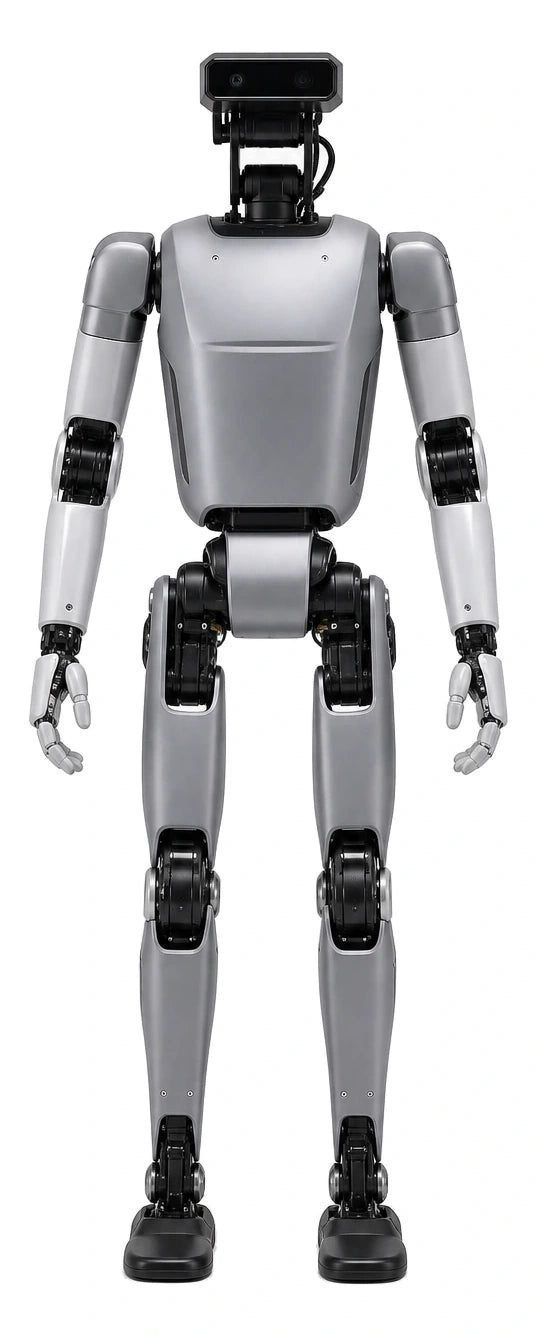 Atom Atom |
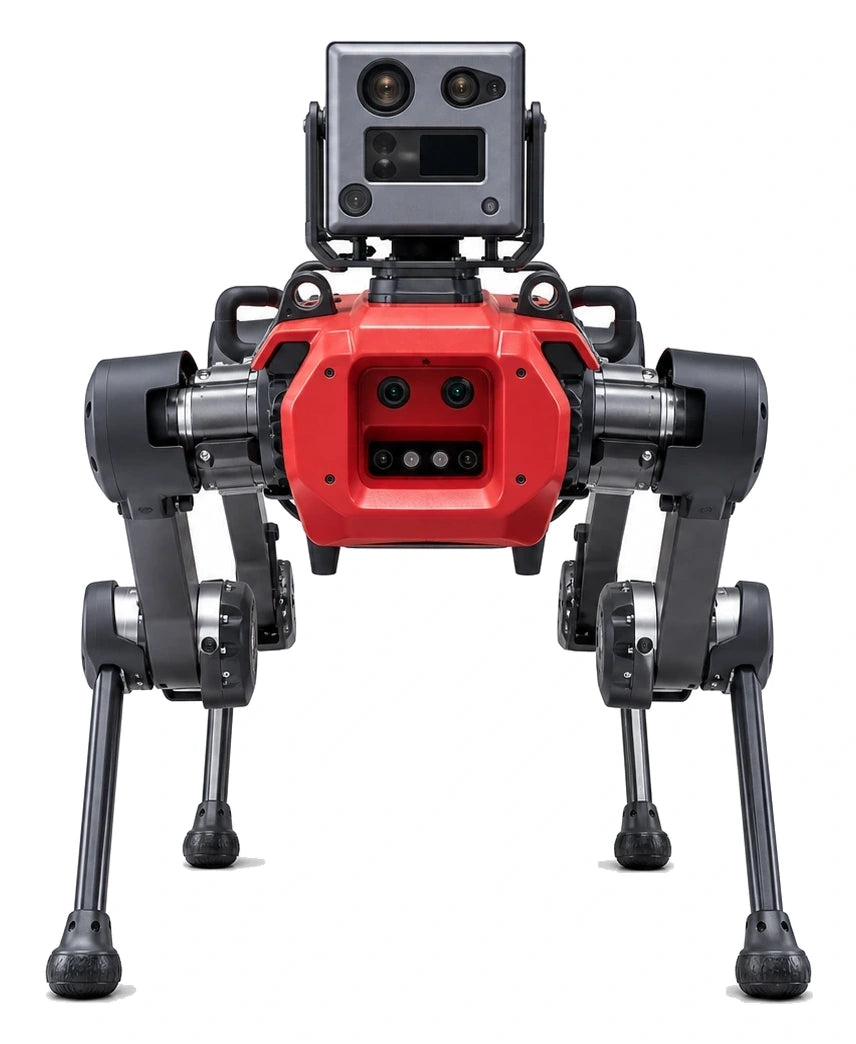 ANYmal ANYmal |
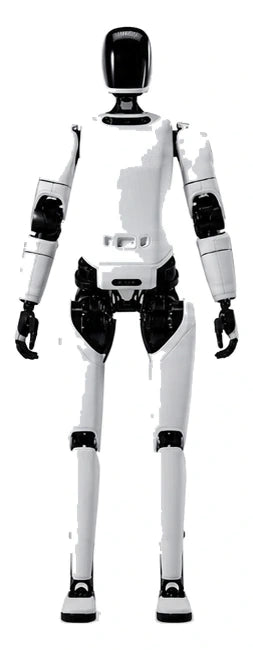 Ff Futurist Ff Futurist |
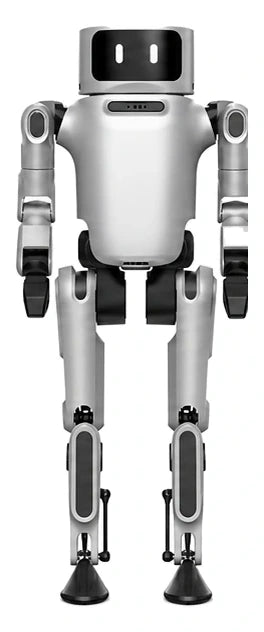 Dora Dora |
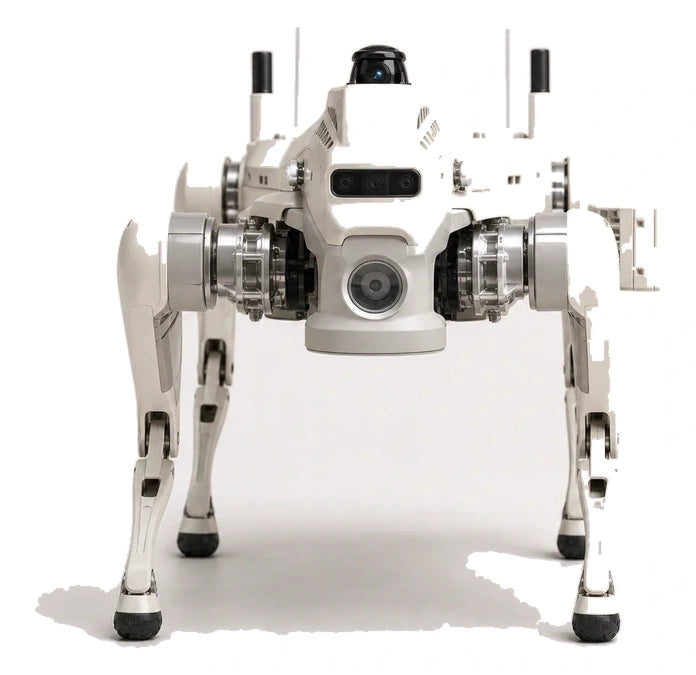 Ff Aegis Advanced Quadruped Ff Aegis Advanced Quadruped |
|---|---|---|---|---|---|---|---|---|---|---|---|---|---|---|---|---|---|---|---|---|---|---|---|---|---|---|---|---|---|---|---|---|---|---|---|---|---|
| Availability | Prototype | Piloting | Announced | Piloting | Announced | Announced | Piloting | Announced | Research platform | Enterprise pilots | Piloting | Paid deployment | Paid deployment | Research platform | Paid deployment | Paid deployment | Not publicly confirmed | Not publicly confirmed | Not publicly confirmed | Not publicly confirmed | Not publicly confirmed | Enterprise pilots | Not publicly confirmed | Not publicly confirmed | Not publicly confirmed | Not publicly confirmed | Not publicly confirmed | Not publicly confirmed | Not publicly confirmed | Paid deployment | Research platform | Not publicly confirmed | Not publicly confirmed | Paid deployment | Not publicly confirmed | Not publicly confirmed | Public product page |
| Price | Price not publicly listed | Enterprise pricing not publicly listed | Commercial/enterprise pricing not publicly listed | Enterprise/customer pilots | USD 100,000-190,000 reported configuration range | No public MSRP found | Prototype/enterprise pilot | $29,900 | Not sold commercially | Enterprise quote | Enterprise/pilot pricing not publicly listed | Quote-based industrial pricing | Enterprise quote | Price not publicly listed | Price not publicly listed | Quote-based industrial pricing | Enterprise quote | Enterprise pricing not publicly listed | Commercial/enterprise pricing not publicly listed | Enterprise/customer pilots | Not publicly sold | Not publicly sold | No public MSRP found | Price not publicly listed | Price not publicly listed | Price not publicly listed | Price not publicly listed | Price not publicly listed | $29,900 | Price not publicly listed | No public MSRP found | Price not publicly listed | Price not publicly listed | Price not publicly listed | Price not publicly listed | Price not publicly listed | Price not publicly listed |
| Height | 1 | 170 cm (1700 mm) | 175 cm (1750 mm) | 1700 mm | 175 cm (1750 mm) | 178 cm (1780 mm) reported | 168 cm (1680 mm) | 1800 mm | 182 cm (1820 mm) | 5 ft 8 in (1727 mm) | 170 cm (1700 mm) | Not publicly listed | About 1800 mm | 175 cm | 300 mm | Not publicly listed | 1727 mm | 170 cm (1700 mm) | 175 cm (1750 mm) | 1700 mm | 5 ft 9 in (1750 mm) | 5 ft 9 in (1750 mm) | 178 cm (1780 mm) reported | 2000 mm | 165 mm | 130 mm | 164 mm | 175 mm | 1800 mm | Not publicly listed | Not publicly listed | 171 mm | 153 mm | Not publicly listed | 167 mm | 100 mm | Not publicly listed |
| Weight | 90 kg | 77 kg | 70 kg | 70 kg | 55 kg | 85 kg | 60 kg | 70 kg | 101 kg | 160 lb (72 | 70 kg | Not publicly listed | About 47 kg | 95 kg | 5 | Not publicly listed | 72 | 77 kg | 70 kg | 70 kg | 65 kg | 140-200 lb reported | 85 kg | 30 kg | 45 kg | 30 kg | 45 kg | 70 kg | 70 kg | Not publicly listed | Not publicly listed | 65 kg | 62 kg | Not publicly listed | Not publicly listed | 20 kg | Not publicly listed |
| Payload | Not publicly listed | 10 kg reported | 25 kg | 25 kg | 15 kg per arm | 25 kg | 20 kg | Not publicly listed | Can handle gypsum boards approx | 55 lb (25 kg) | Not publicly listed | 500 g per arm | Not publicly listed | 6 Kg | Not publicly listed | 7 kg (LBR iiwa 7 R800) or 14 kg (LBR iiwa 14 R820) | 25 kg | 10 kg reported | 25 kg | 25 kg | 35 lb (16 kg) | 35 lb (16 kg) | 25 kg | 6 kg | 10 kg | Not publicly listed | 3 kg | 15 kg | 21 kg | 3 kg | Not publicly listed | 20 kg | 20 kg | Not publicly listed | Not publicly listed | 5 kg | Not publicly listed |
| Runtime | 4 hours | ~2 hours | 4-5 hours | 5 hours | 2 hours | 8 hours reported | 5 hours | Not publicly listed | Not publicly listed | 4 hours per battery pack | Not publicly listed | N/A - fixed industrial robot powered by controller | Not publicly listed | Not publicly listed | Not publicly listed | N/A - fixed industrial robot powered by controller | 4 hours | ~2 hours | 4-5 hours | 5 hours | 4 hours | Not publicly listed | 8 hours reported | 7 hours | 8 hours | 4 hours | 2 hours | 4 hours | Not publicly listed | Not publicly listed | Not publicly disclosed / not applicable for typical tethered... | Not publicly listed | Not publicly listed | Not publicly listed | 3 hours | Not publicly listed | Not publicly listed |
| DOF | 56 | 41 | 40 | 35 | 49+ | 40 | 16 | 31 | 37 | Not publicly listed | 20 | 14 | Not publicly listed | Not publicly listed | Not publicly listed | 7 | 30 | 41 | 40 | 35 | 4 | Not publicly listed | 40 | 6 | 30 | 28 | 31 | 41 | 31 | 7 | Not publicly listed | 55 | 41 | Not publicly listed | 28 | 20 | Not publicly listed |
Check whether each robot is sold today, limited to pilots, enterprise quote-only, announced, discontinued, or mainly a research platform. Availability is often the fastest way to narrow the list.
For industrial robots, compare payload, repeatability, runtime or duty cycle, safety requirements, tool compatibility, integration effort, support, and total operating cost.
Many robot companies publish partial specs. If price, runtime, safety, SDK, warranty, or deployment details are missing, treat that as unconfirmed rather than assuming the robot can do the job.
Pick robots that are close to your use case, then compare the complete profiles rather than judging from a single demo image, price claim, or headline specification.
Use the category page as a shortlist builder. The best next step is to compare a few robots that are close in size, task, price status, and maturity, then read the individual profiles before making any buying or research decision.
Some robots belong to more than one category. A research humanoid can also be relevant to enterprise pilots, and a service robot can overlap with consumer or healthcare use. When that happens, the individual robot page is the better place to judge fit.
Electric humanoid robot platform from Boston Dynamics
Industrial humanoid from UBTECH Robotics
AI humanoid robot from Mentee Robotics
First-generation autonomous humanoid from Figure AI
Full-size Unitree humanoid successor to H1
Humanoid platform in Japan's HRP research line
General-purpose humanoid from Apptronik
Full-size Unitree humanoid platform
Torque-controlled humanoid research platform
Quadruped mobile robot from Boston Dynamics
Apptronik Apollo is listed with specs, images, and availability data.
Walker S is listed with specs, images, and availability data.
Menteebot is listed with specs, images, and availability data.
Figure 02 is listed with specs, images, and availability data.
Digit is listed with specs, images, and availability data.
Humanoid logistics robot from Agility Robotics
Kepler is listed with specs, images, and availability data.
Tekntrash Alpha is listed with specs, images, and availability data.
Pudu D7 is listed with specs, images, and availability data.
Mirokai is listed with specs, images, and availability data.
Limx is listed with specs, images, and availability data.
Hmnd 01 is listed with specs, images, and availability data.
Unitree H2 is listed with specs, images, and availability data.
Research-focused collaborative robot arm
KIT humanoid assistant robot
Robotera L7 is listed with specs, images, and availability data.
Atom is listed with specs, images, and availability data.
Ff Futurist is listed with specs, images, and availability data.
Dora is listed with specs, images, and availability data.
FF EAI Robotics quadruped service robot for hospitality, family, public-service, security and factory scenarios.
Industrial Robots are grouped by use case, public specifications, manufacturer positioning, and curated profile data.
Some robots are sold, some are enterprise-only, and many are still prototypes or pilot programs. Verify availability on each robot page; sparse categories should be treated as research areas until more source-backed records are connected.
Price, availability, payload, runtime, DOF, safety, SDK or ROS support, source quality, and deployment readiness usually matter more than promotional videos alone.