Robot Categories

Humanoid Robots

Browse robots by market, form factor, use case, and grade.

Category Guide

Humanoid Robots guide, robot profiles, specs and comparisons

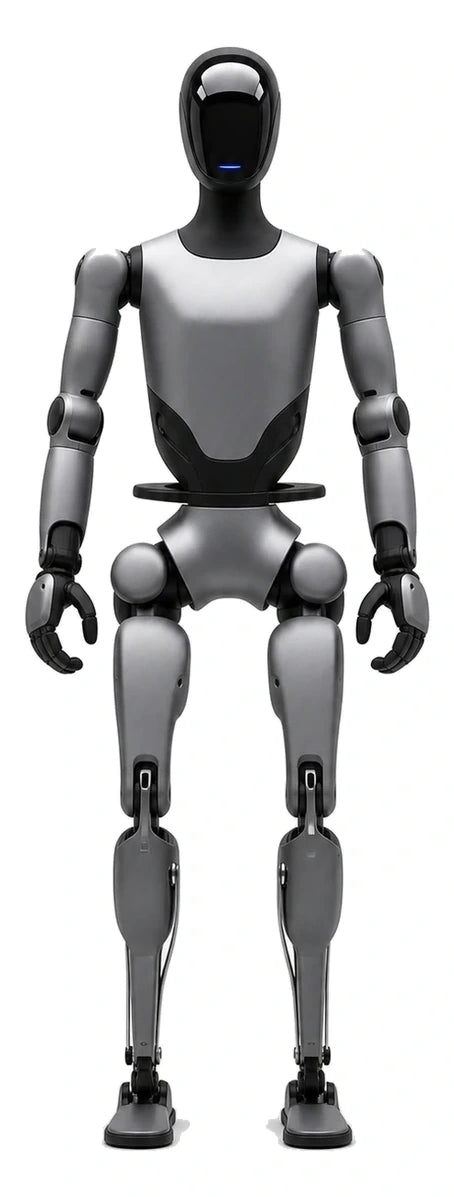
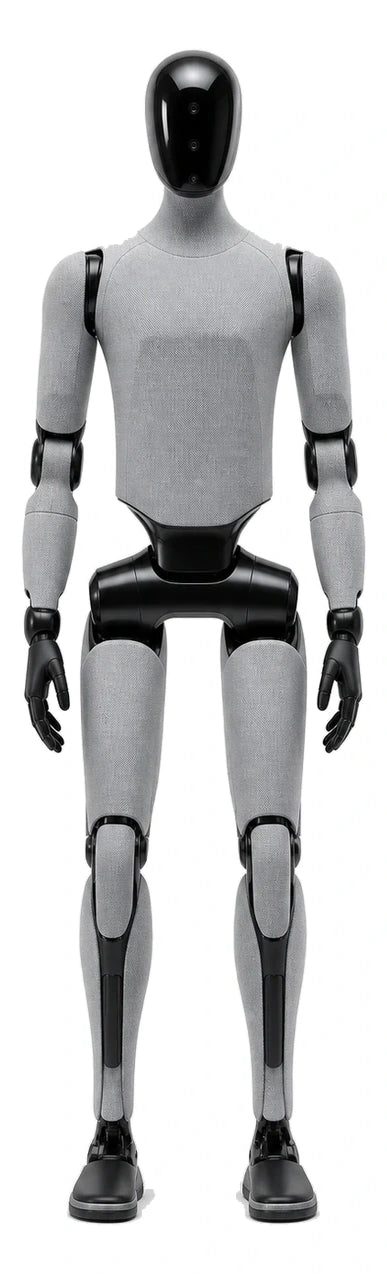
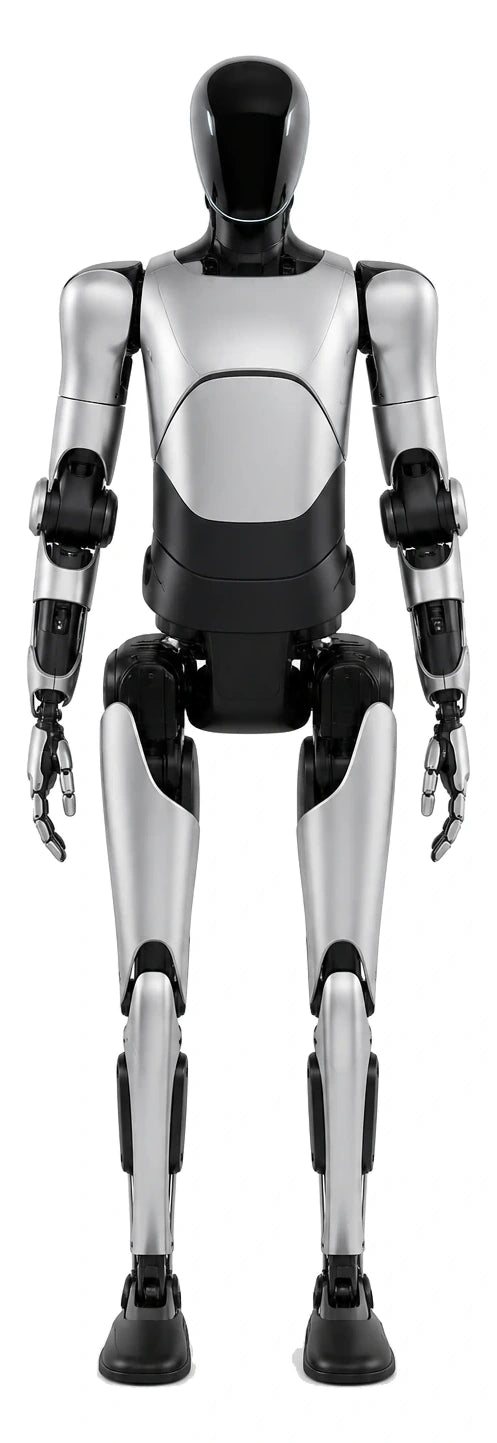
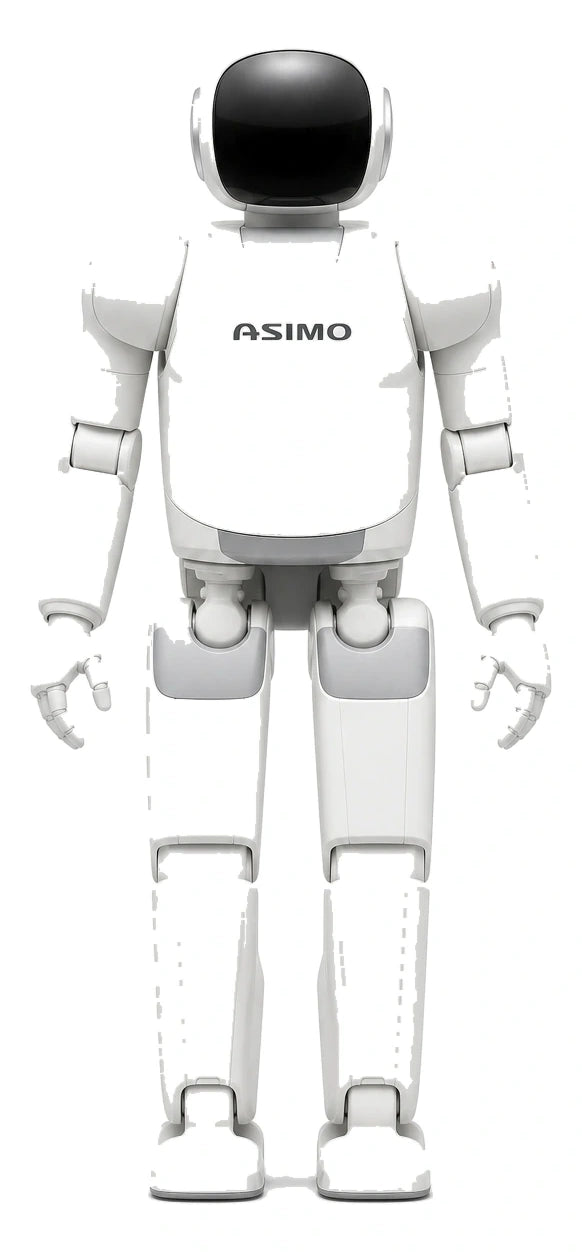
Bipedal and human-form robots for research, industry, enterprise, and emerging home use.

This category page is built as a practical buying and research guide. It explains what belongs in the category, which specifications matter, how to compare robots fairly, and where the public data is still incomplete. The goal is to help a reader make a better shortlist before opening individual robot pages. If a category has limited public records today, that limitation is shown directly instead of being hidden behind filler copy.

Tracked robots36
Robots with price data36
Deployment signals14

What belongs here?

Robots are included when their public specifications, manufacturer positioning, visible hardware, and use cases match this category. Borderline robots are kept conservative until stronger source evidence supports the classification.

What does not belong?

Marketing claims alone are not enough. Robots with unclear form factor, missing manufacturer context, or unrelated automation roles should be reviewed before being treated as a leading humanoid robots example.

Top robots to compare

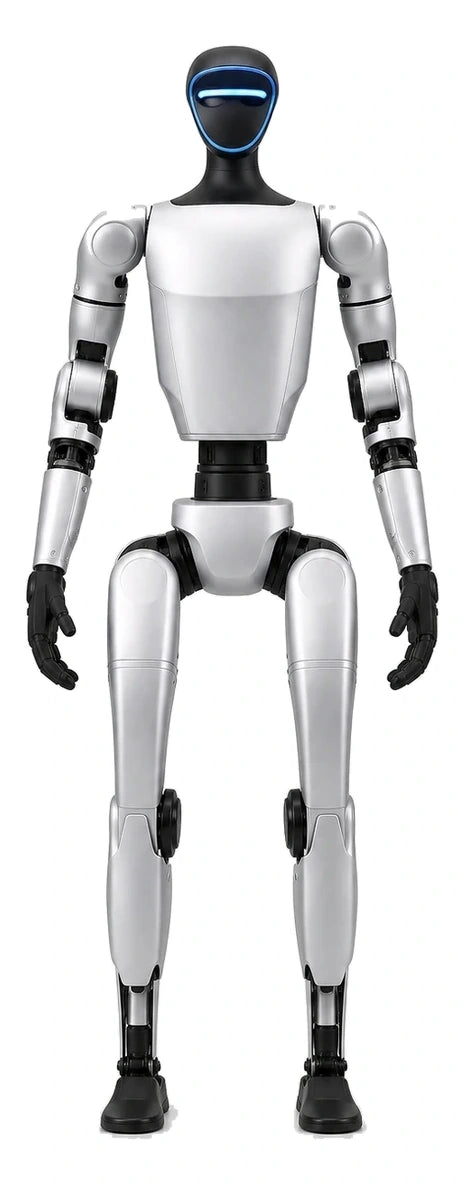
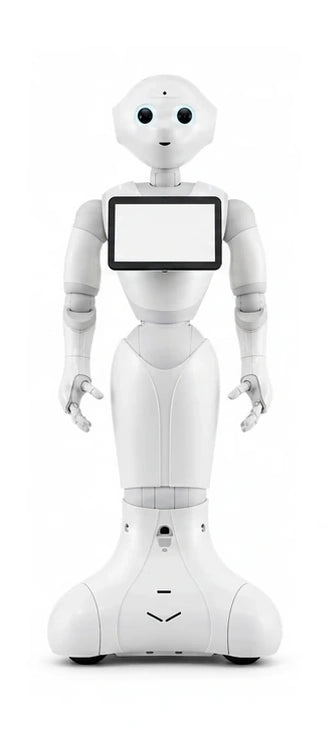
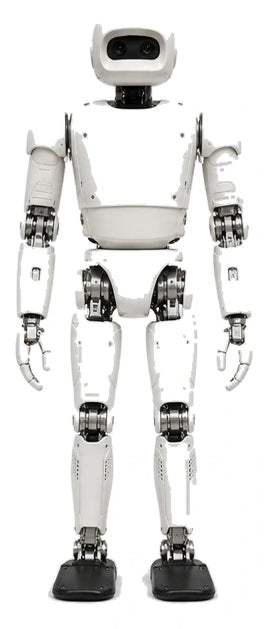
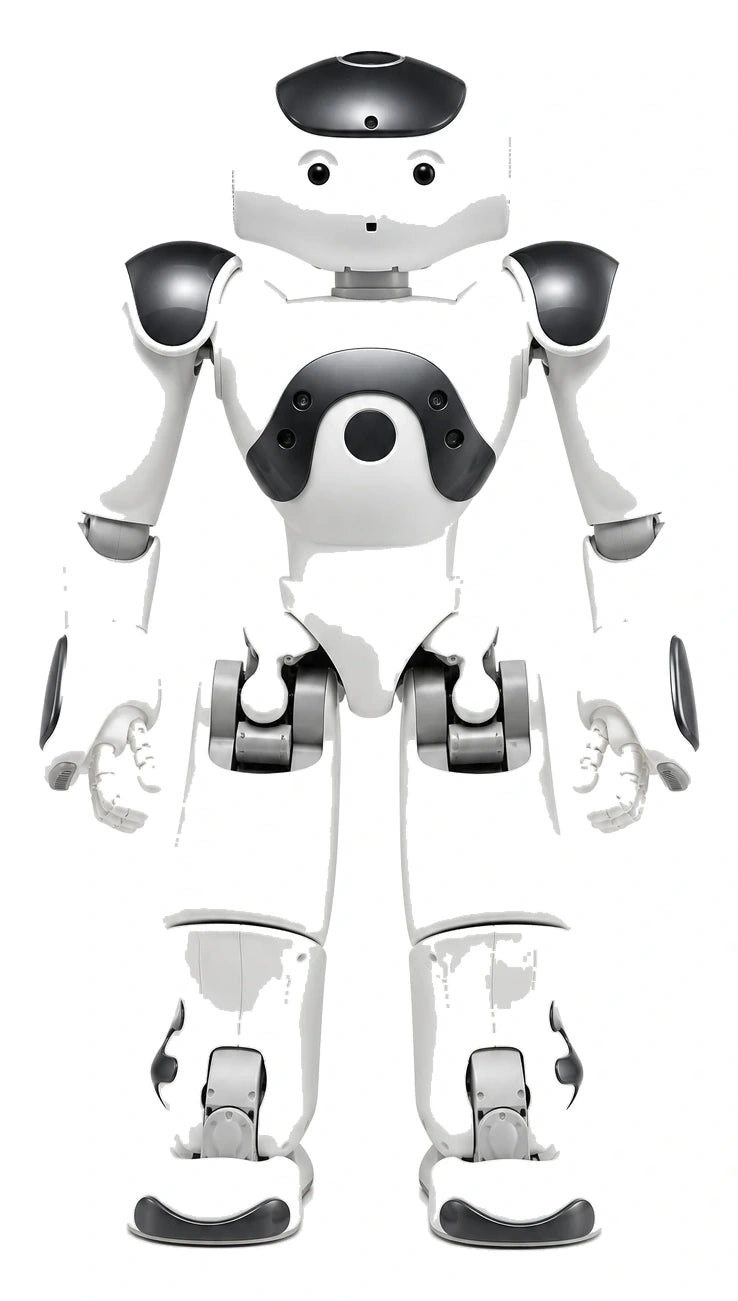
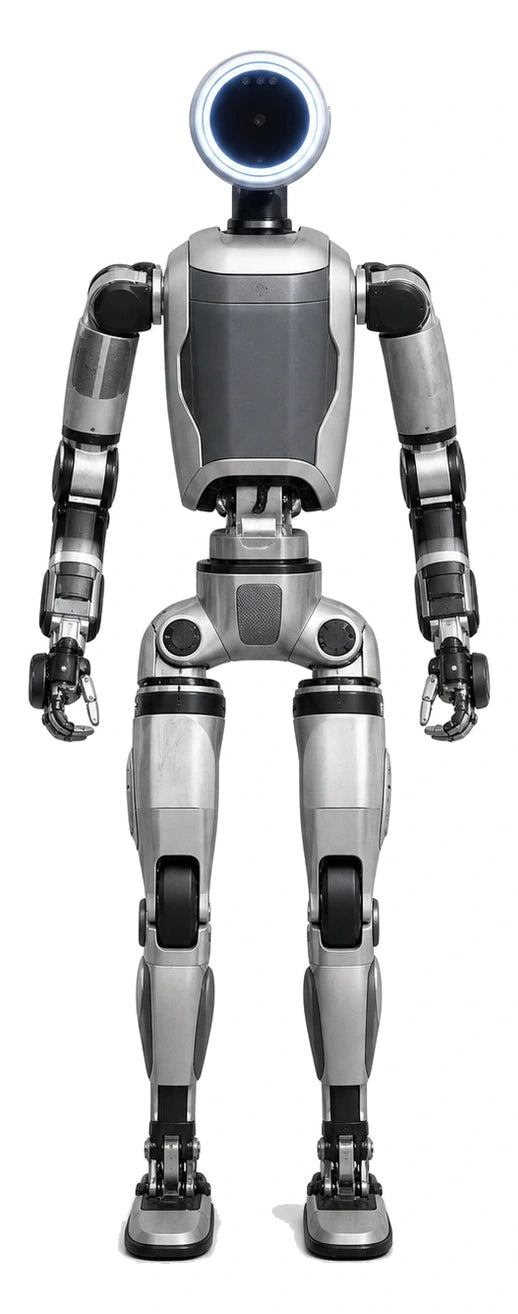
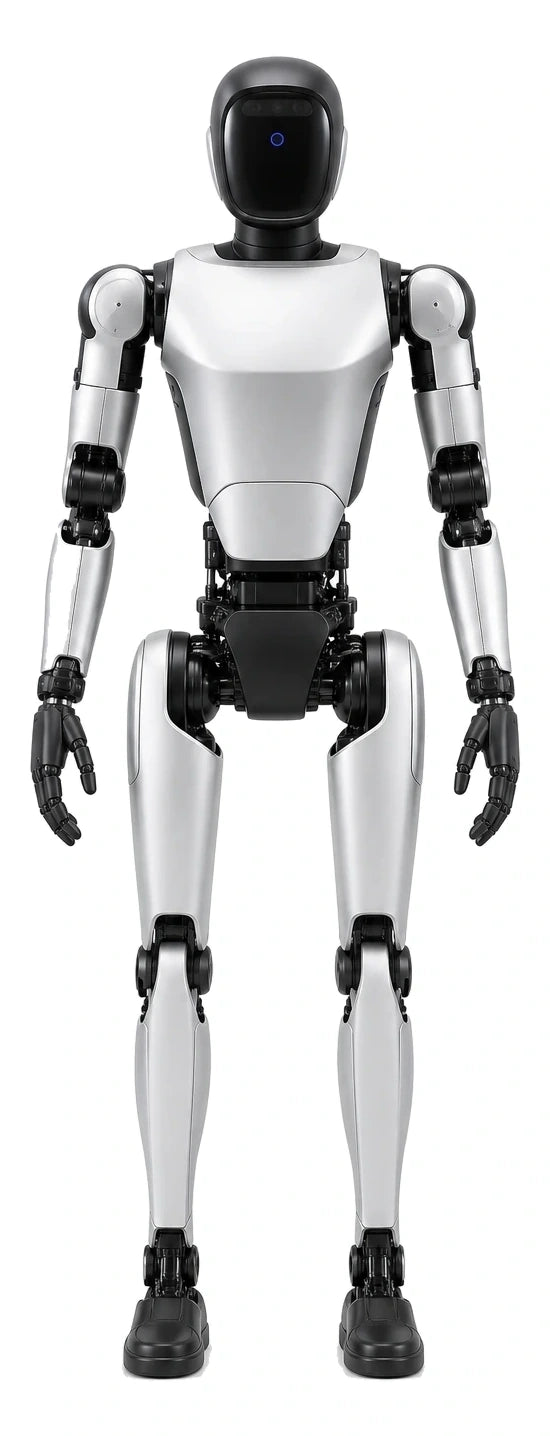
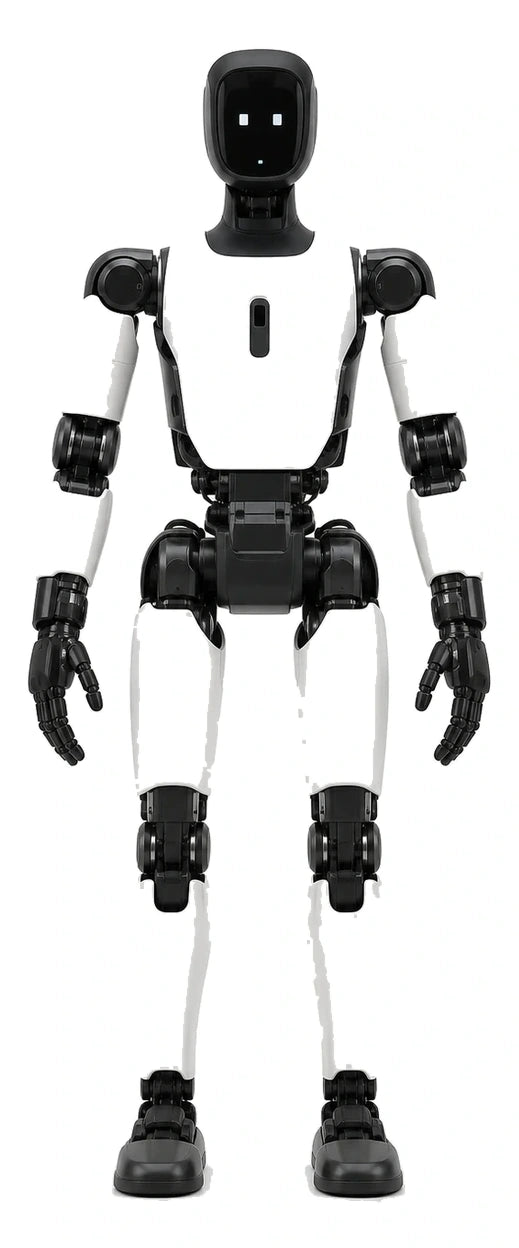
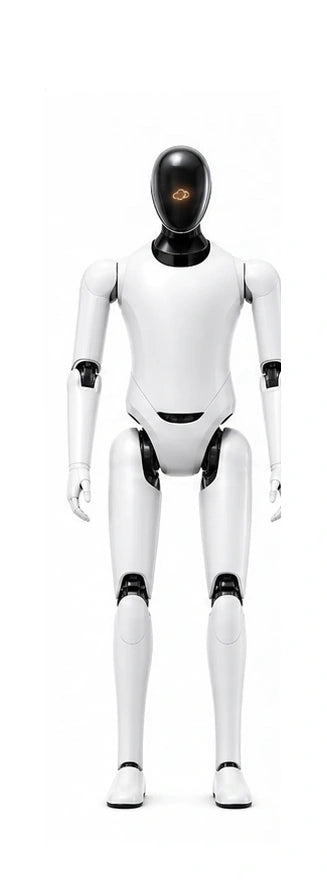
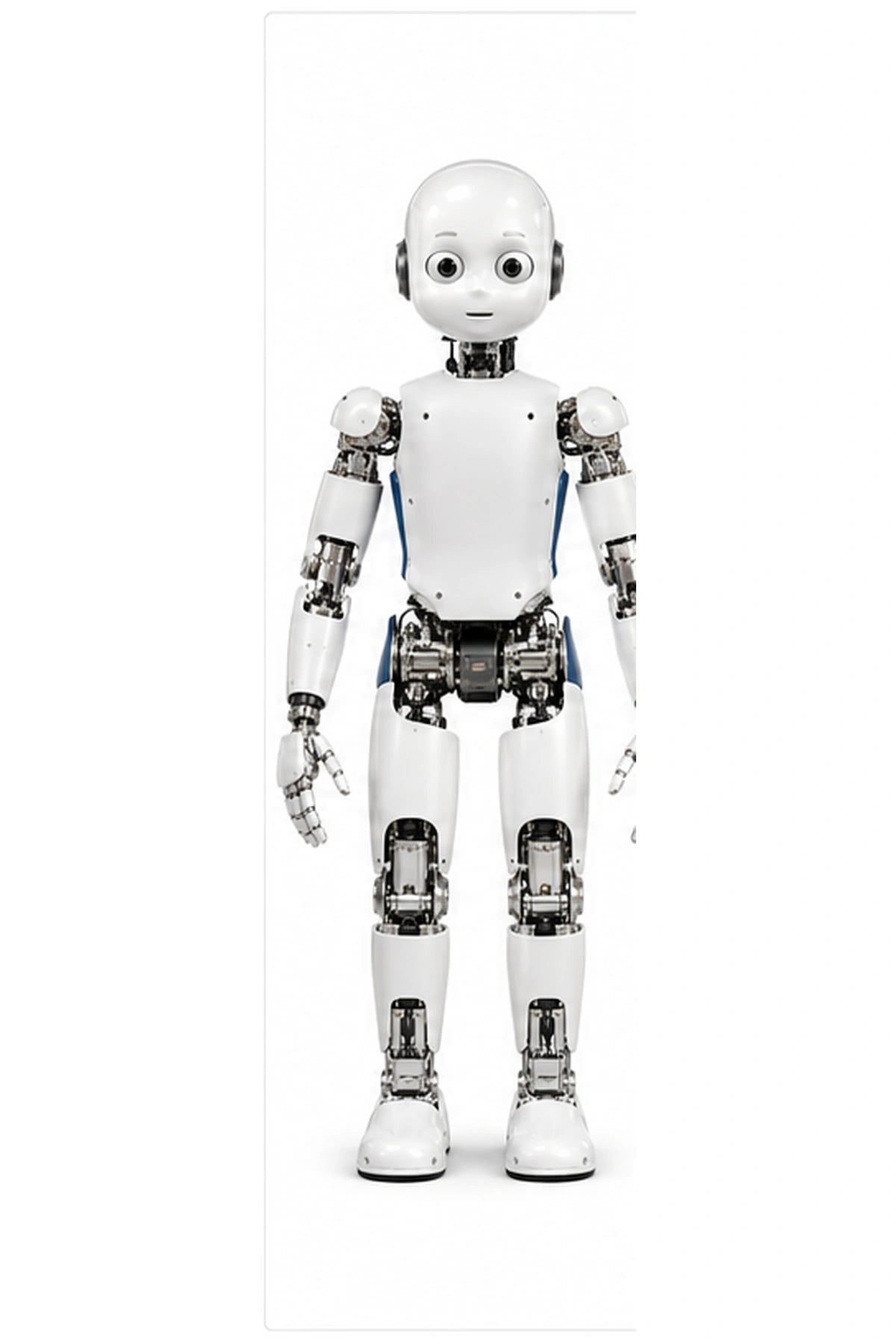
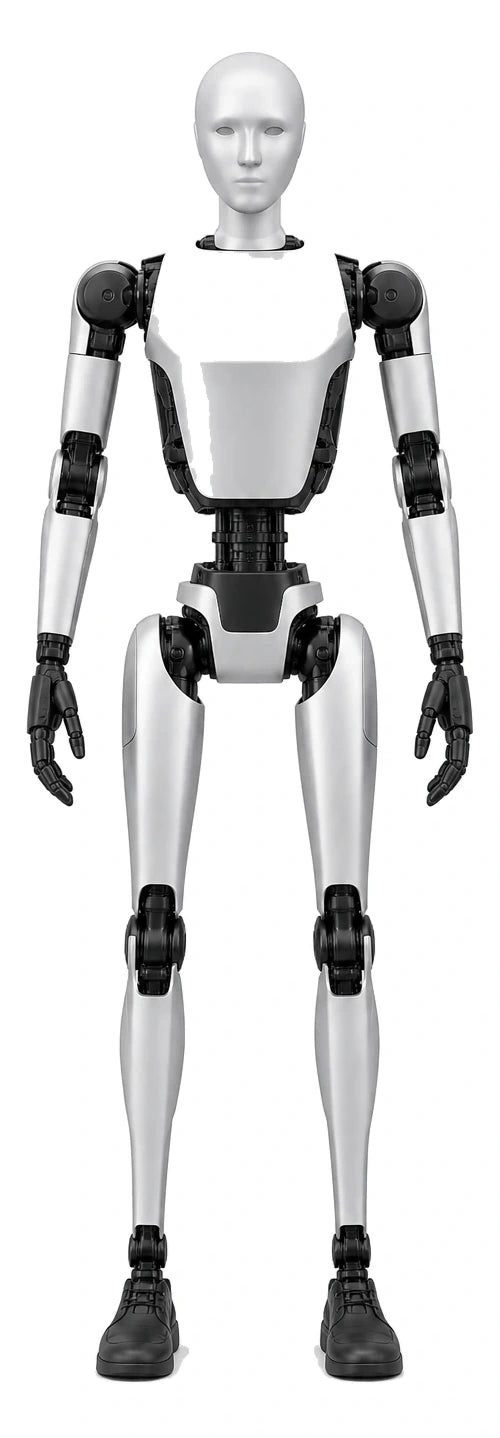
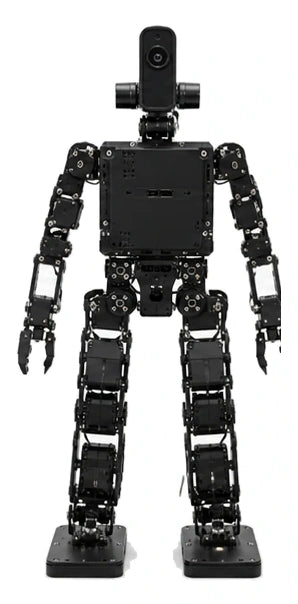
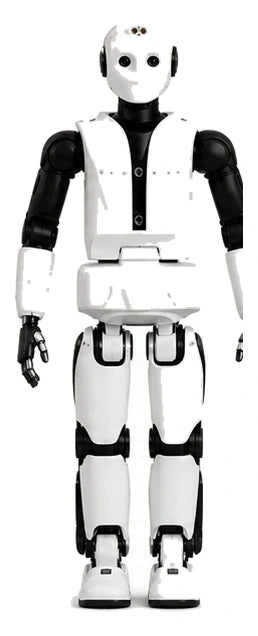
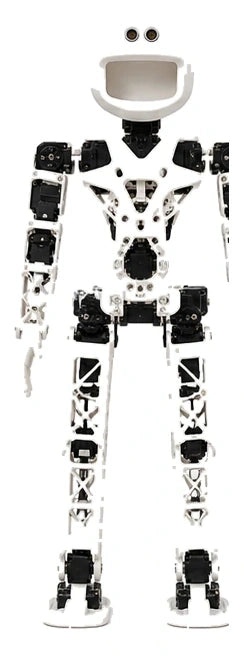
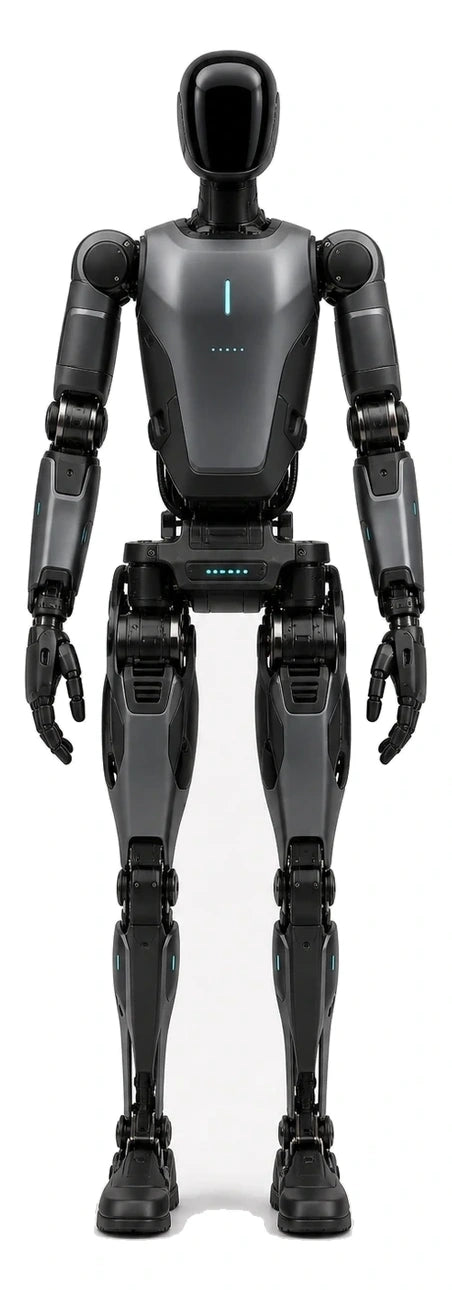
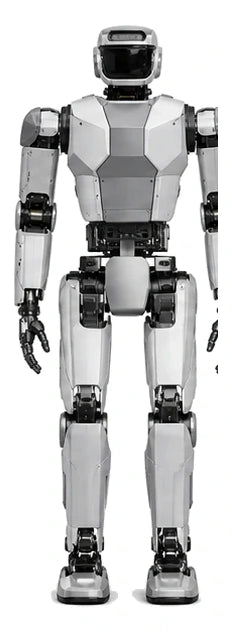
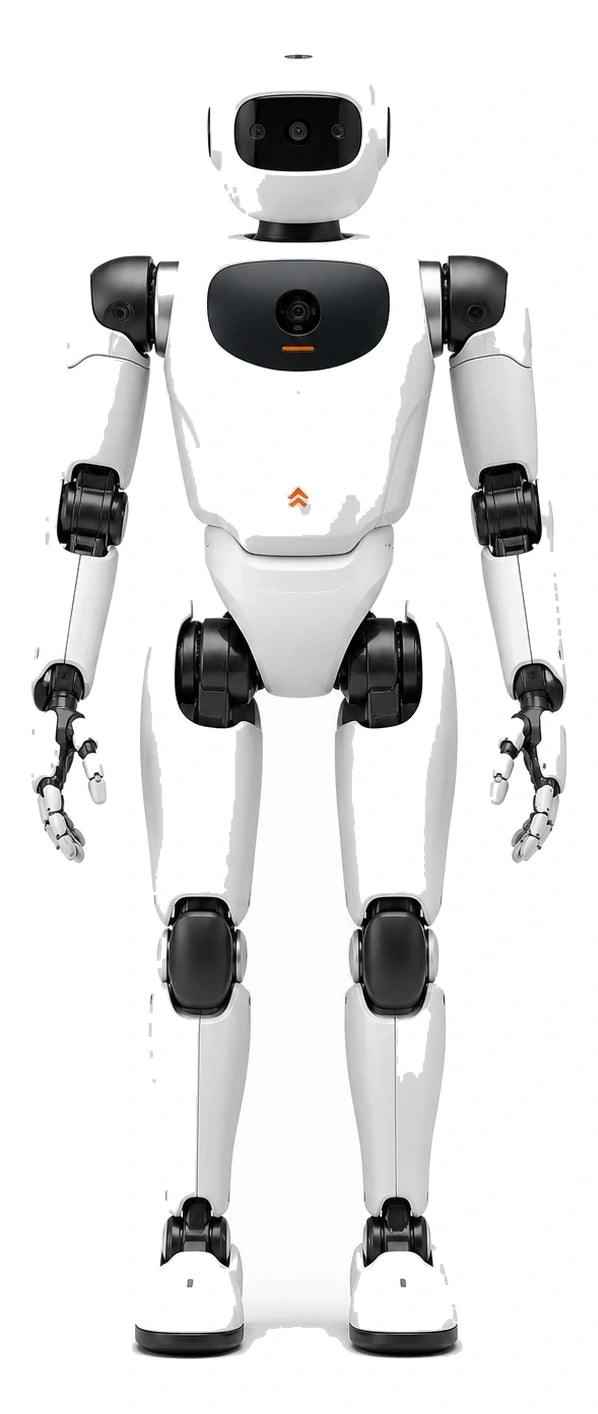
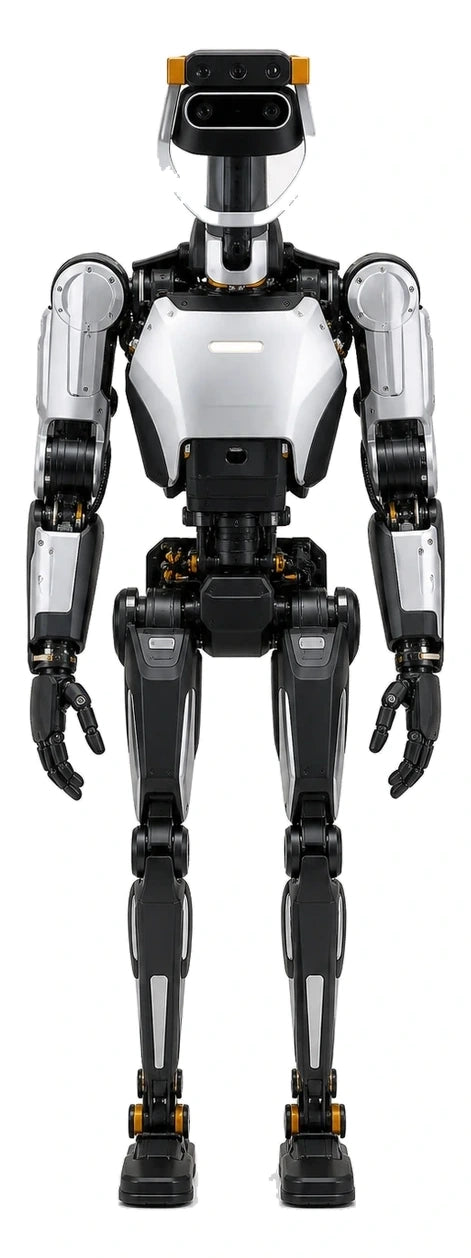
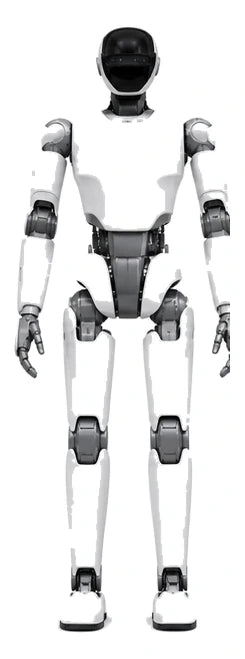
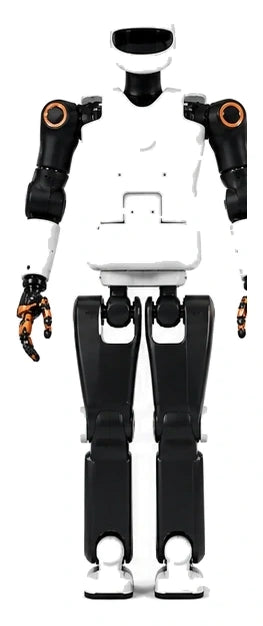
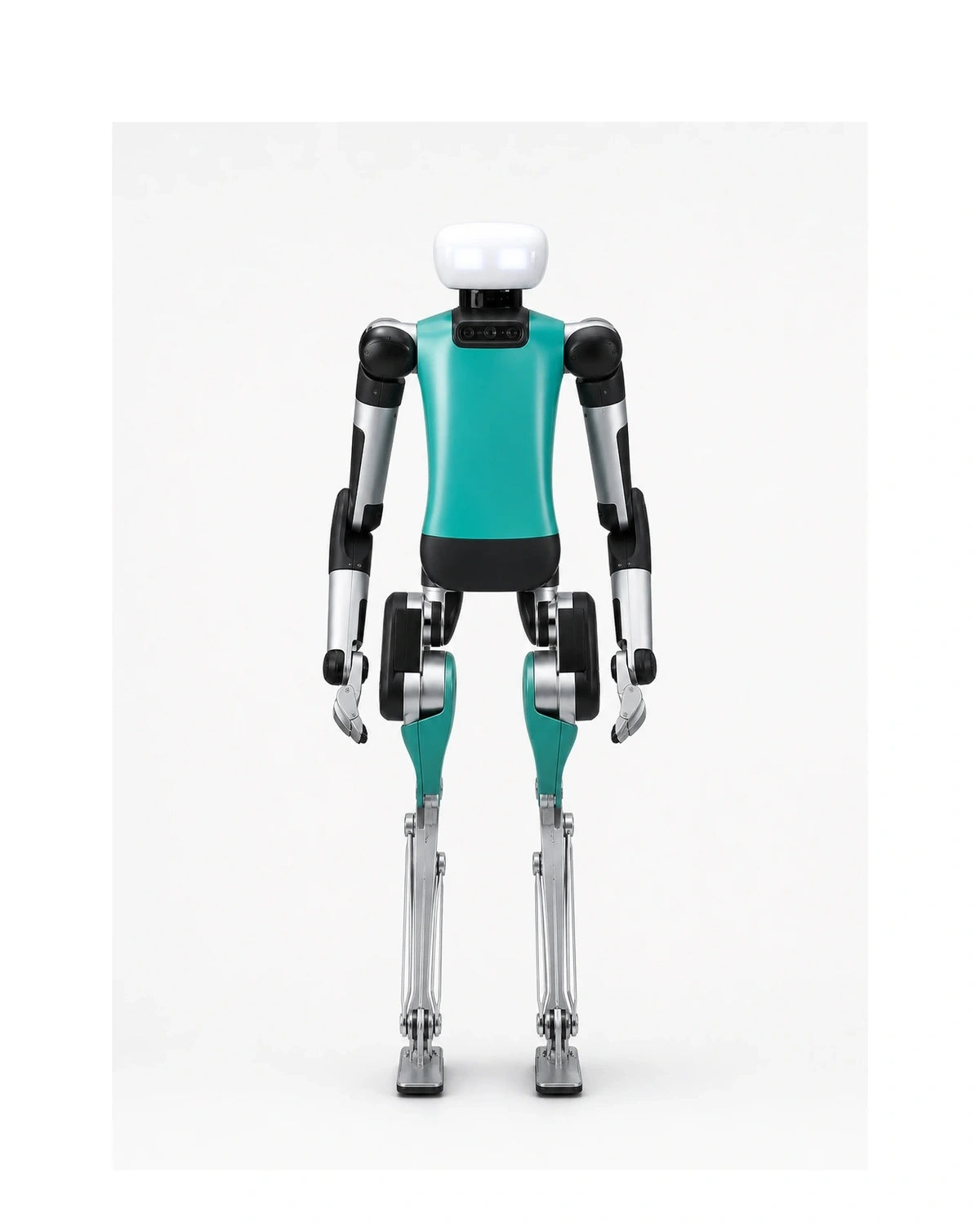
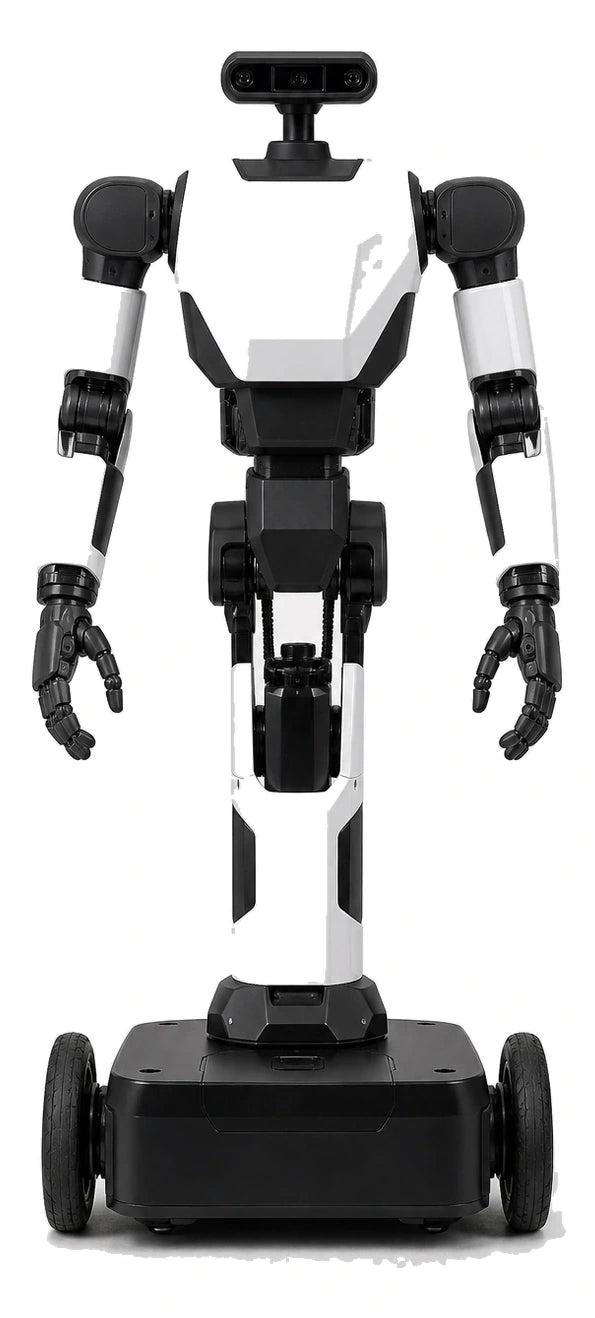
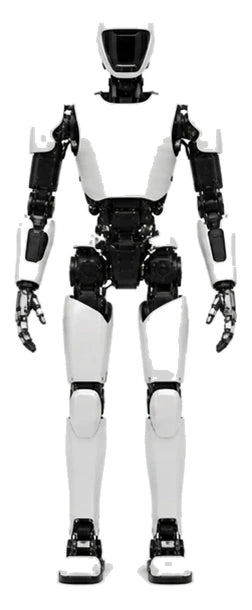
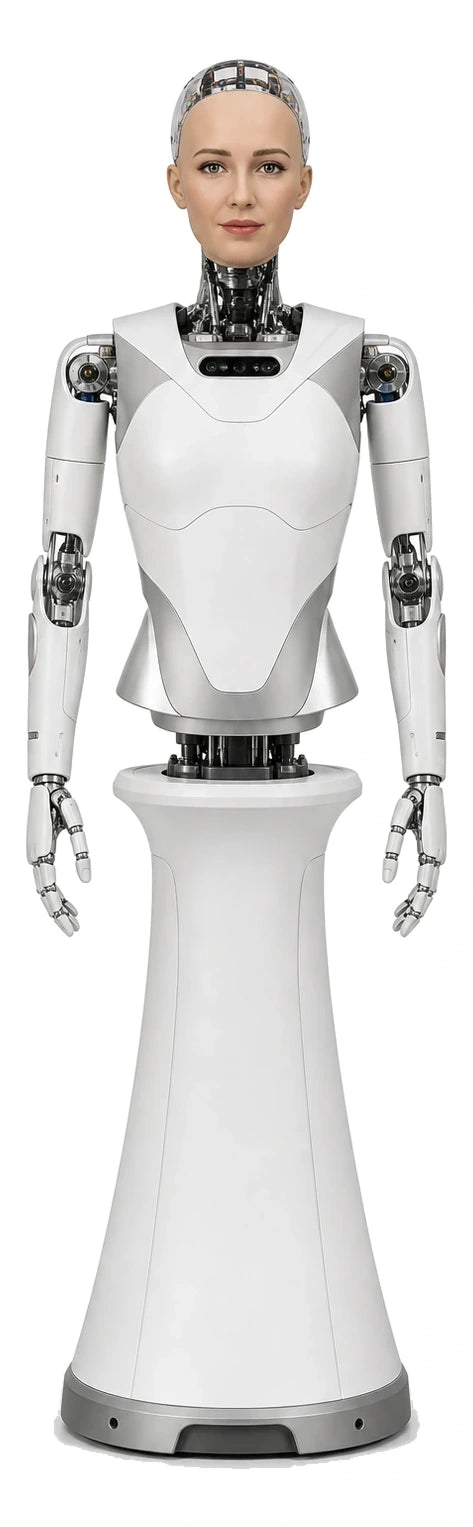
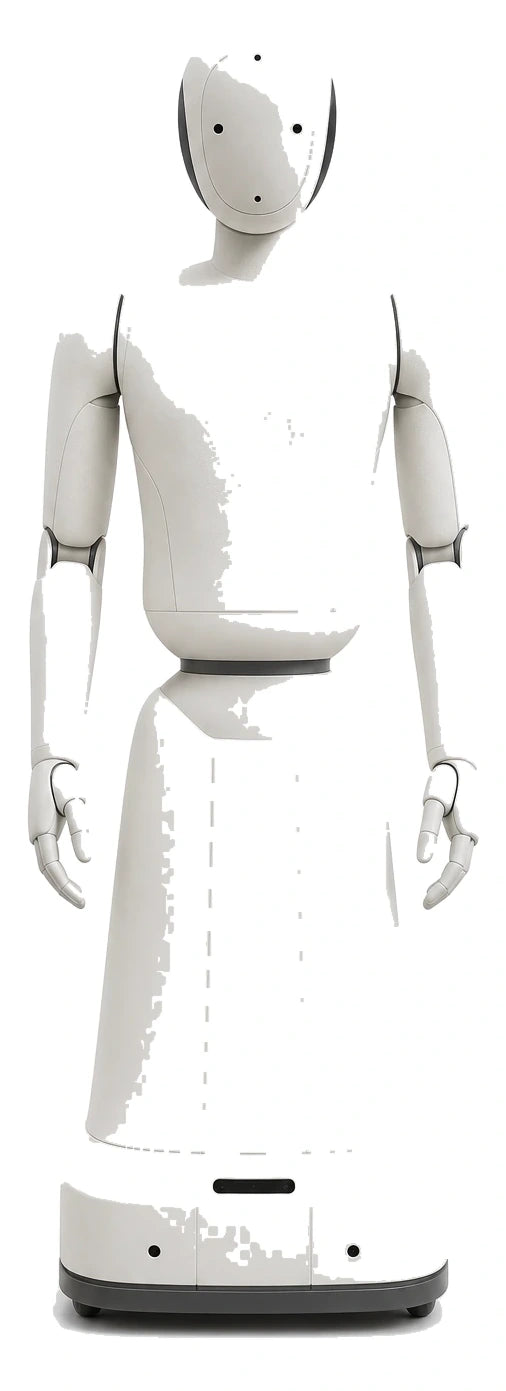
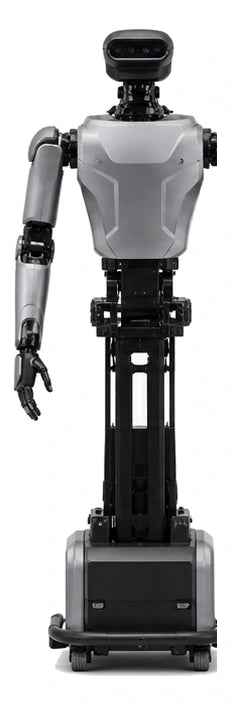
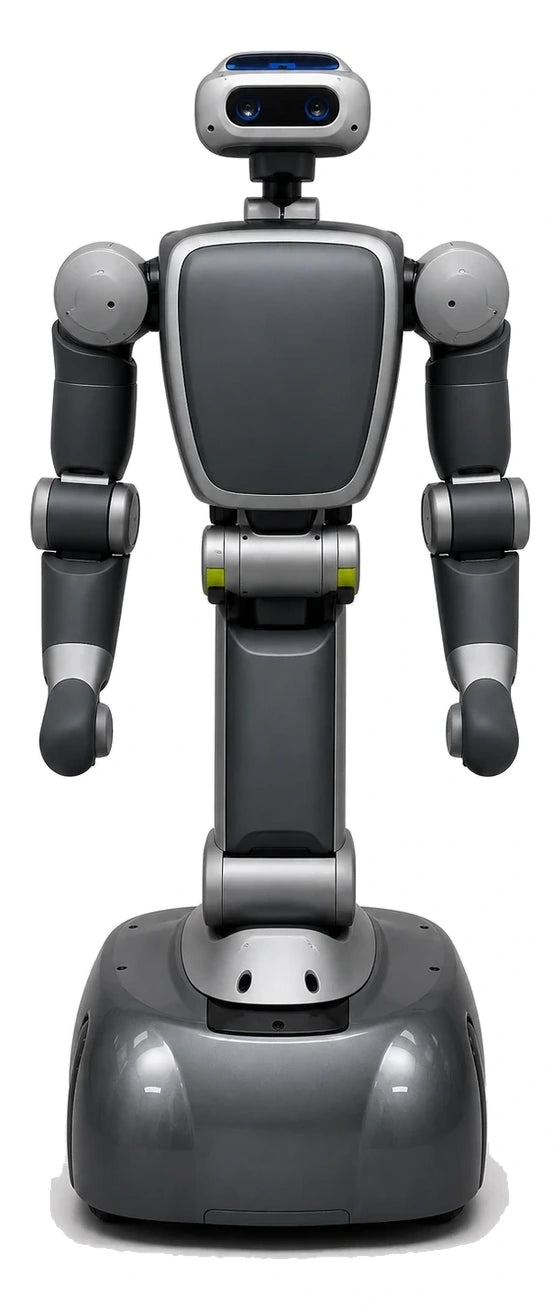
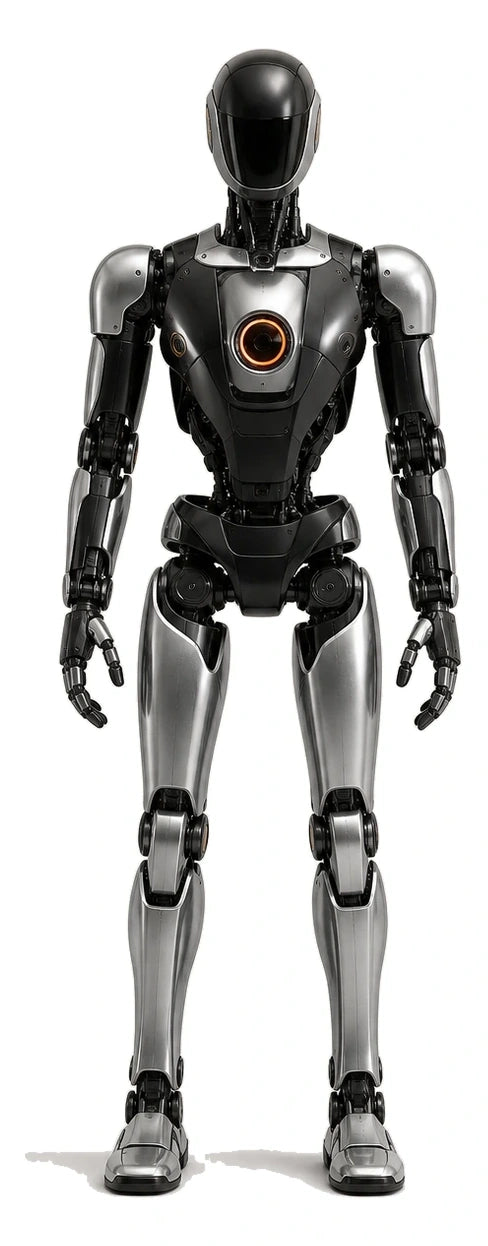
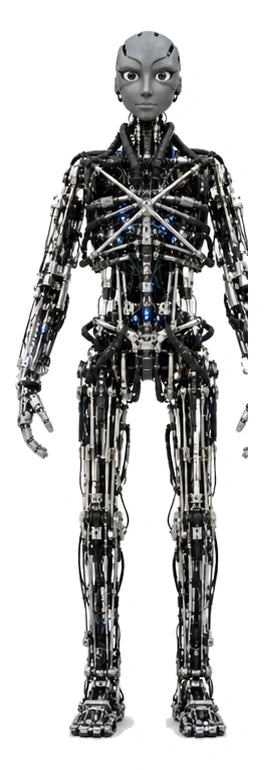
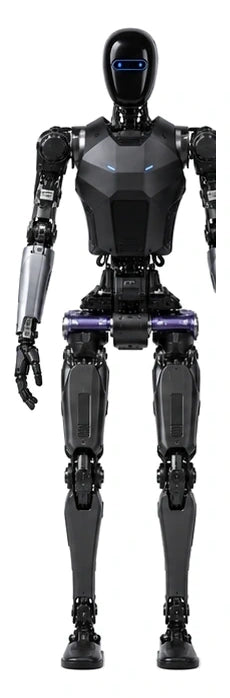
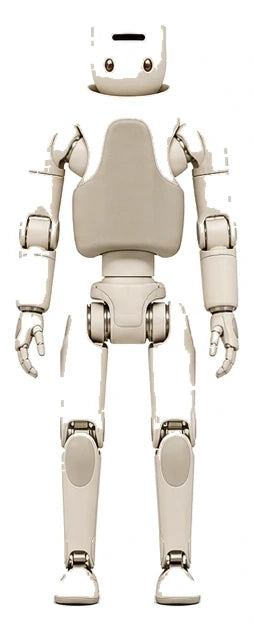
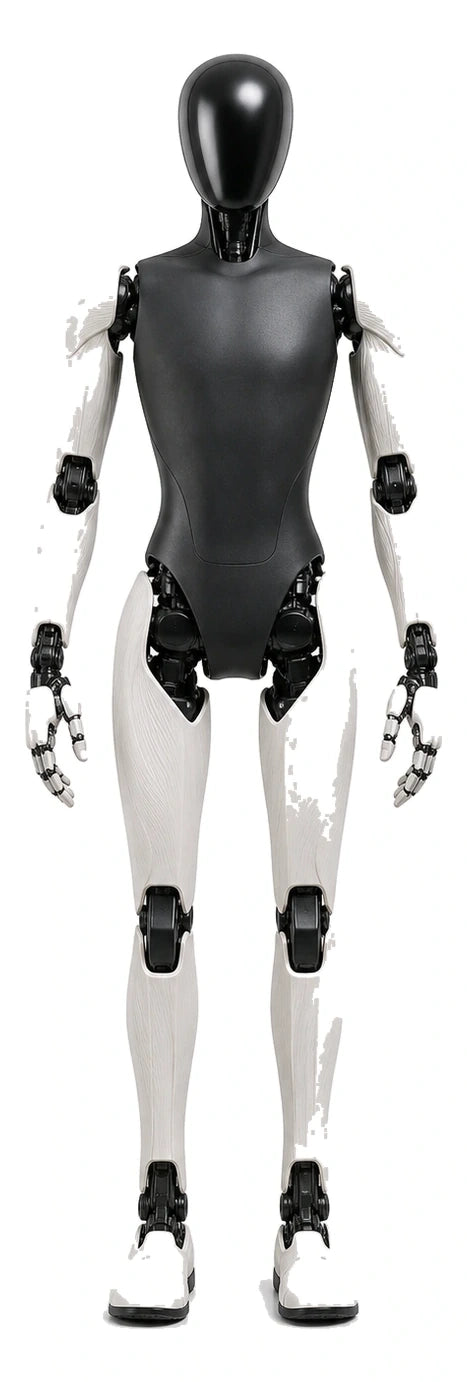
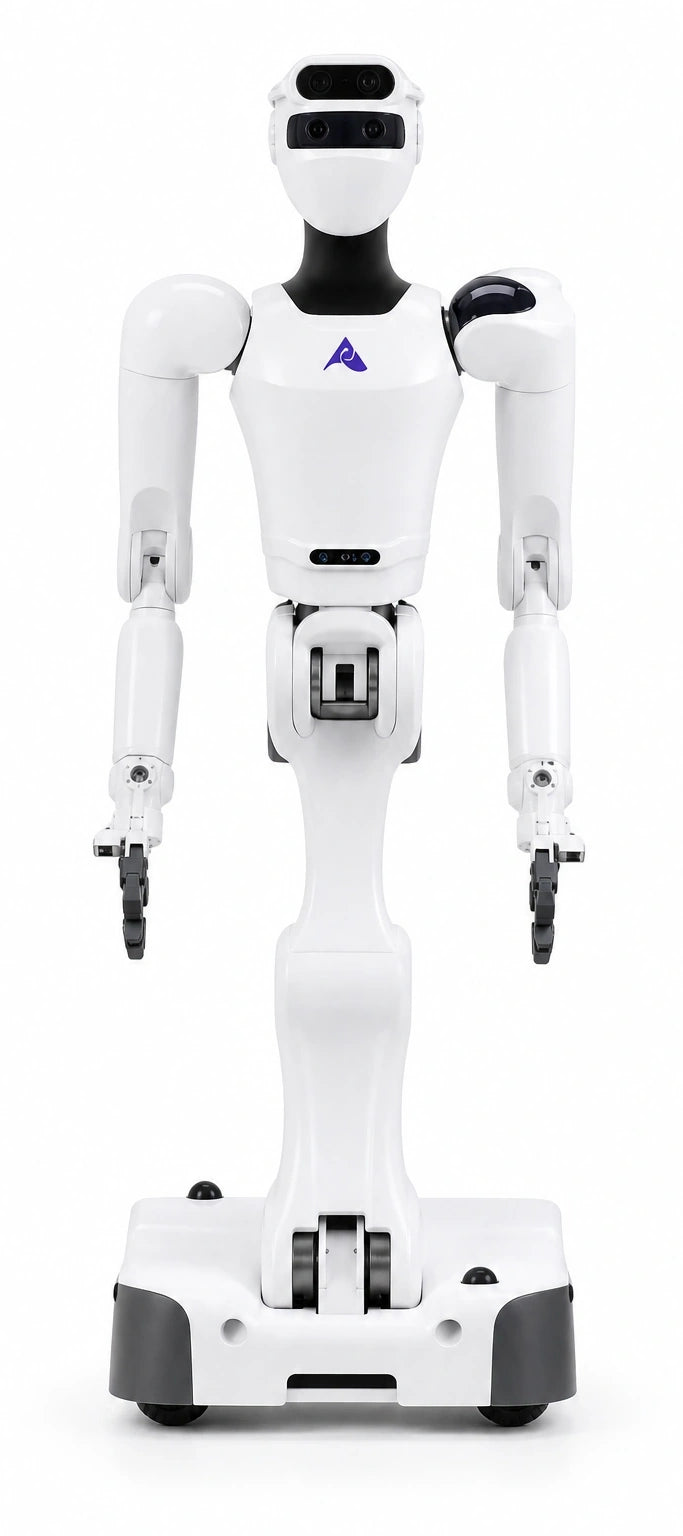
Unitree G1, Pepper, NimbRo-OP2X, NEO, NAO, Atlas, Walker S, Valkyrie. Start with these profiles, then compare height, payload, runtime, degrees of freedom, software access, buying status, source quality, and visible hardware.

Manufacturers represented

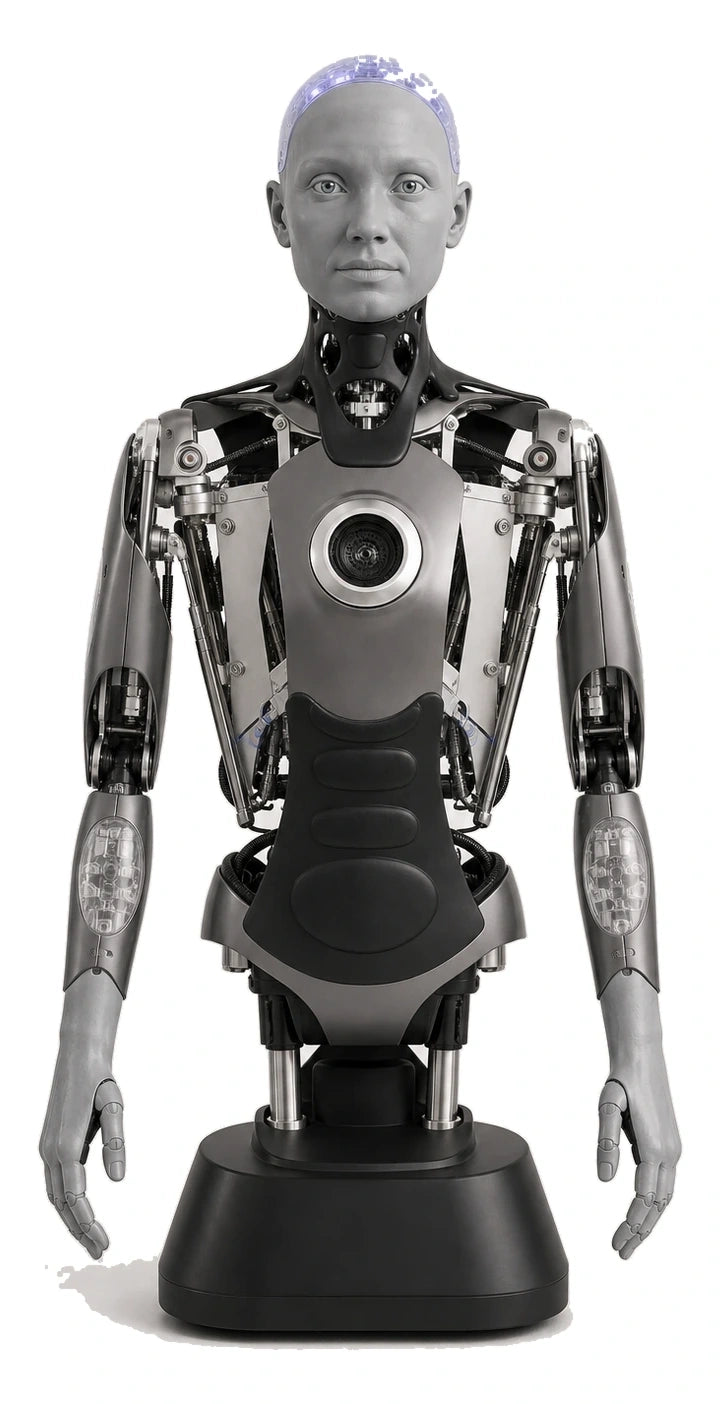
1X Technologies, AgiBot, Agility Robotics, Aldebaran, Apptronik, Boston Dynamics, Engineered Arts, Figure AI, Fourier Intelligence, Hanson Robotics. Manufacturer maturity matters because support, warranty, documentation, and deployment programs can matter as much as raw specifications.

Humanoid Robots comparison table

This table is intentionally concise. Open each robot profile for full technical rows, source links, images, videos, and notes about missing or uncertain fields.

SpecUnitree G1PepperNimbRo-OP2XNEONAOAtlasWalker SValkyrieMenteebotGR-2
Availabilitypilotingdiscontinuedresearch platformpreorder; US deliveries start 2026paid deploymentprototypepilotingresearch platformannouncedannounced
Price$13,500Historical pricing varied by plan/region; current public...Parts-cost research platform; no stable public kit MSRP found$20,000 ownership; $499/mo subscription; $200 refundable depositQuote-based educational/research pricing; no stable public...Price not verifiedEnterprise pricing not publicly listedNot sold commerciallyCommercial/enterprise pricing not publicly listedApprox. USD 100,000 reported; verify with Fourier before quoting
Height1320 mm1210 mm135 cm (1350 mm)5 ft 6 in (1676 mm)574 mm1.9 m170 cm (1700 mm)1.87 m (6 ft 2 in reported)175 cm (1750 mm)175 cm (1750 mm); 170 cm also reported
Weightabout 35 kg29 kg19 kg66 lb (30 kg)5.48 kg90 kg77 kg129 kg; 300 lb also reported70 kg63 kg
Payloadabout 2 kg arm max loadNot verifiedNot verified18 lb arm payload (8.2 kg)Not verifiedNot verified10 kg reported; 3 kg in alternate listingNot verified25 kg3 kg single-arm payload
Runtimeabout 2hApproximately 12 hours in shop use20-40 min4h60 min active use; 90 min normal use4 hours~2 hoursApproximately 1 hour autonomous operation4-5 hours~2 hours
DOF2320 moving parts / motors18 joints; 34 actuators75255641444053

Buying and research considerations

Availability

Check whether a robot is actually sold, limited to pilots, enterprise quote-only, announced, discontinued, or still a research platform. Availability is often the first filter that removes unrealistic choices.

Specs that matter

Height, weight, payload, runtime, DOF, hand design, sensor package, walking speed, SDK access, and safety documentation are the fields that most often change whether a robot can do the job.

Limitations

Many robots have incomplete price, battery, autonomy, or safety data. Missing fields should be treated as uncertainty, especially for procurement, research budgeting, or public comparison claims.

Future outlook

Humanoid Robots are moving from demos toward pilots and early deployments, but useful adoption will depend on reliability, support, affordability, software ecosystem, and clear documentation.

How Firgelli Robots assigns categories

Robot categories are assigned from the robot's public form factor, intended use case, manufacturer positioning, and available source evidence. A humanoid robot, for example, is not categorized only because it has a human-shaped shell; the profile should also show relevant mobility, manipulation, sensing, software, and deployment context. A warehouse robot should show a logistics, fulfillment, inventory, or material-handling role. A research robot should have a university, lab, developer, education, or experimental platform context.

Some robots legitimately belong to more than one category. A humanoid platform may be both a research robot and an enterprise robot. A service robot may also be consumer-facing. In those cases, the individual robot page is the better place to review the full evidence because the category page is only a starting point. If the available evidence is weak, the page keeps the uncertainty visible instead of treating the category label as a final conclusion.

For SEO and buyer research, category pages should help readers compare real options, understand what data is missing, and move into deeper robot profiles. The strongest category pages combine definitions, comparison tables, source-backed robots, related manufacturers, buying cautions, and links to specification guides such as robot price, payload, runtime, walking speed, and degrees of freedom.

Humanoid Robots robot profiles

Unitree G1

Compact humanoid platform from Unitree Robotics

View profile
NimbRo-OP2X

Adult-size open-source humanoid research platform

View profile
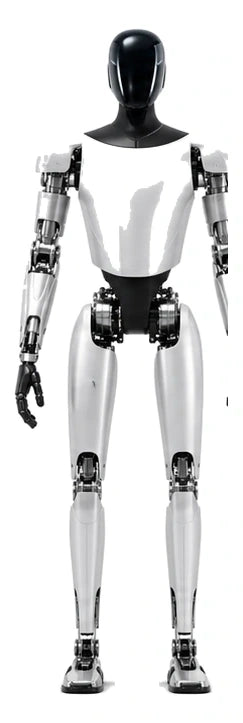
Atlas

Electric humanoid robot platform from Boston Dynamics

View profile
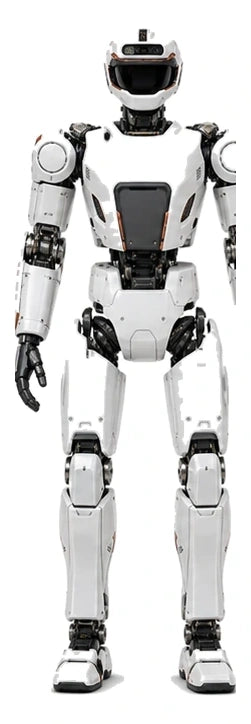
Walker S

Industrial humanoid from UBTECH Robotics

View profile
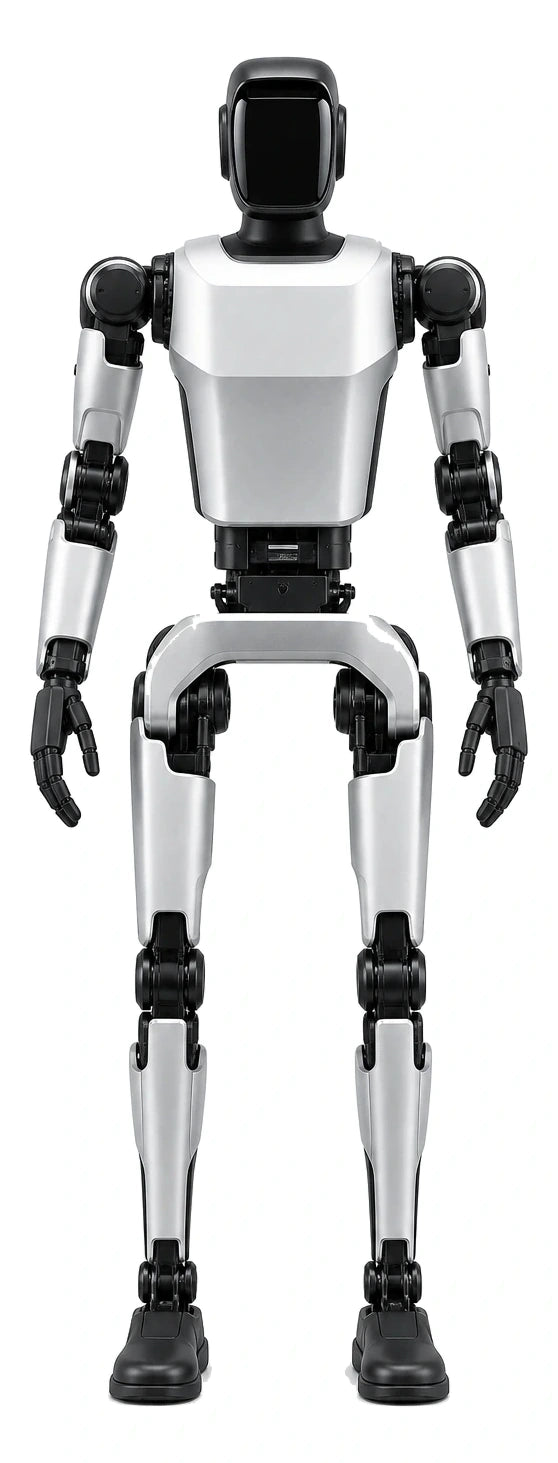
Figure 02

Second-generation Figure AI humanoid robot

View profile
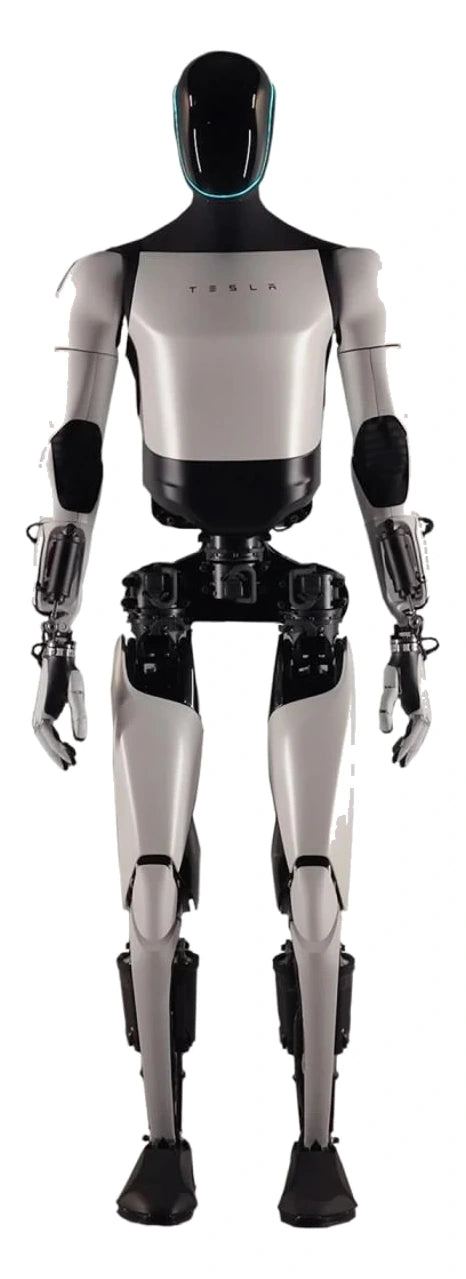
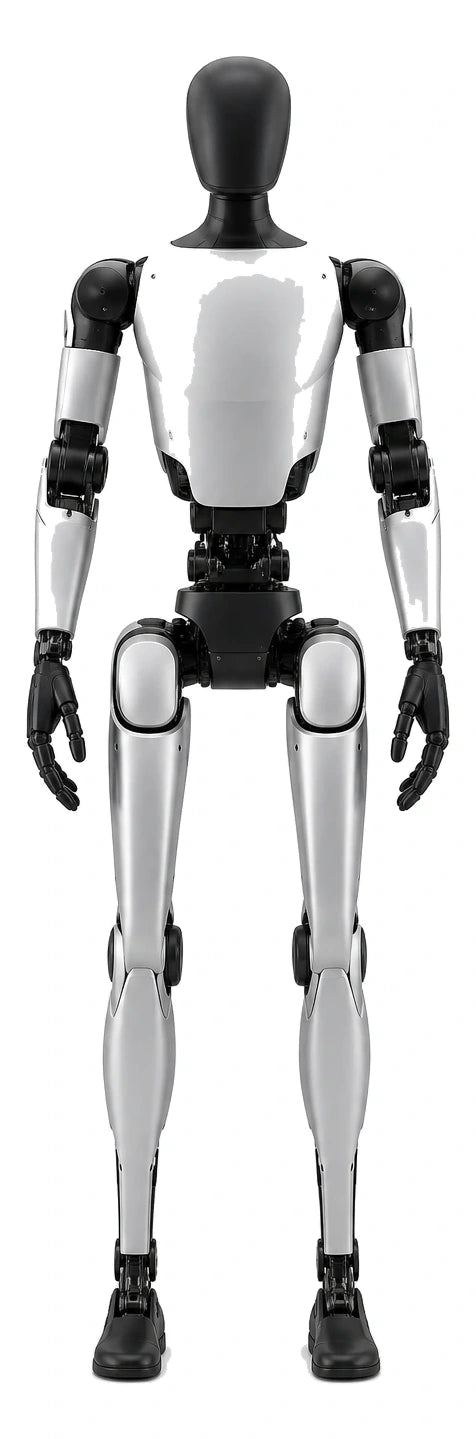
Tesla Optimus

Tesla general-purpose humanoid robot program.

View profile
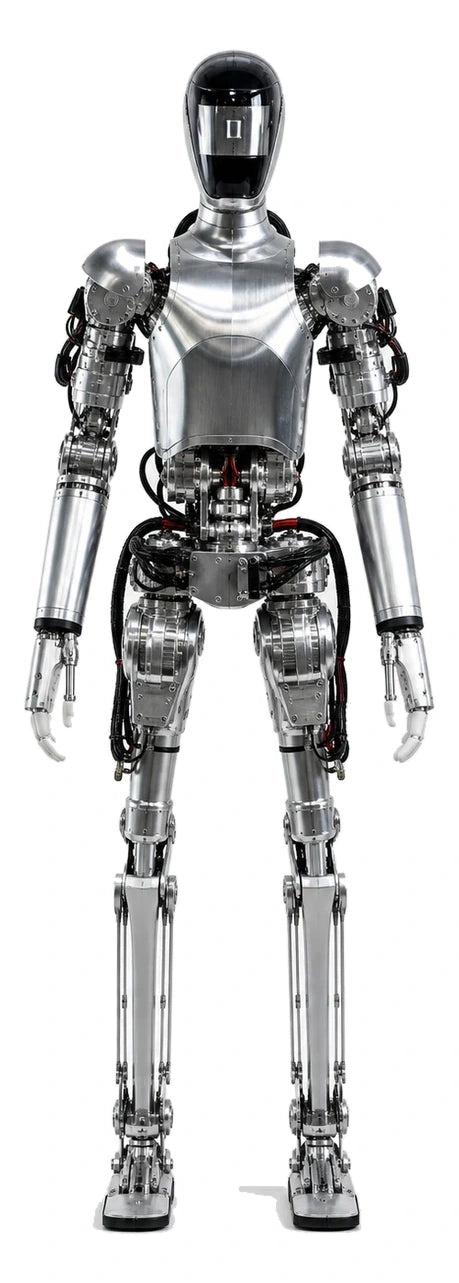
Figure 01

First-generation autonomous humanoid from Figure AI

View profile

Related links

FAQ

What are humanoid robots?

Humanoid Robots are grouped by use case, public specifications, manufacturer positioning, and reviewed profile data.

Are humanoid robots available to buy?

Some robots are sold, some are enterprise-only, and many are still prototypes or pilot programs. Verify availability on each robot page; sparse categories should be treated as research areas until more source-backed records are connected.

Which specs matter most?

Price, availability, payload, runtime, DOF, safety, SDK or ROS support, source quality, and deployment readiness usually matter more than promotional videos alone.