
 Front view
University of Tokyoresearch platformhumanoid
Kengoro specs, images, and availability
Musculoskeletal humanoid research robot
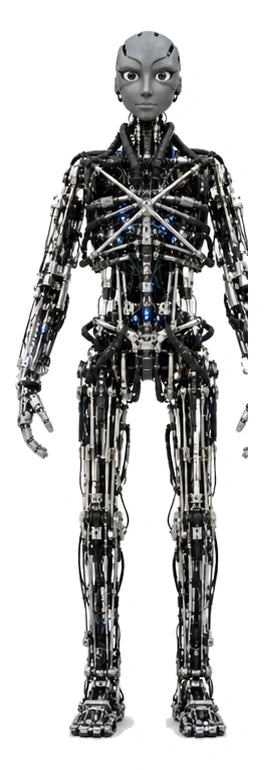
Images and videos
Kengoro photo gallery and movement media
Standardized views make it easier to compare body shape, proportions, end effectors, visible hardware, and public demo evidence across robots.
Front view Side view
 Rear view
 Head and torso
 Arm detail
 Leg detail
 Arm and leg detail
Additional images
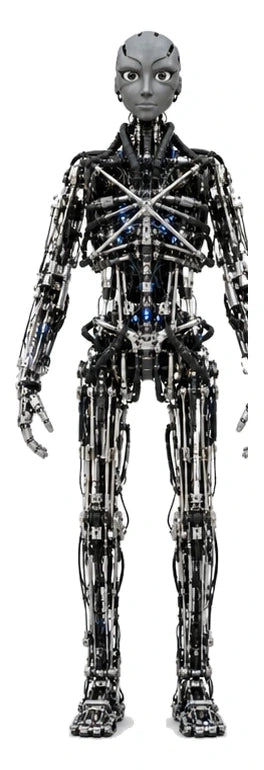 Hero Image
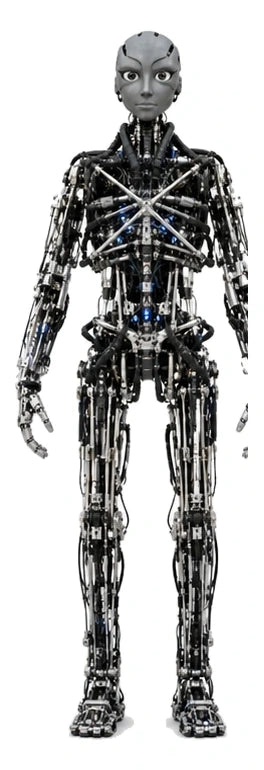 Main WebP
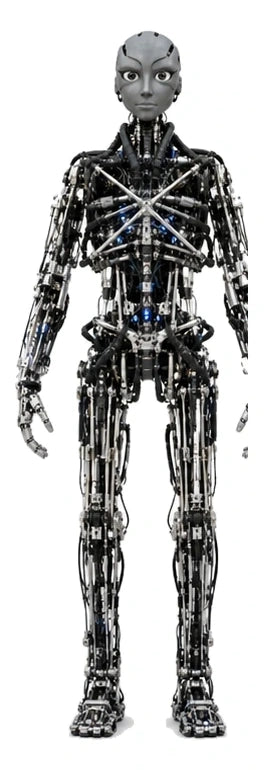 Front View
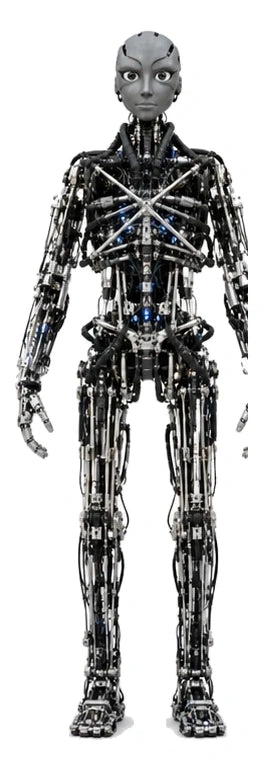 Front View
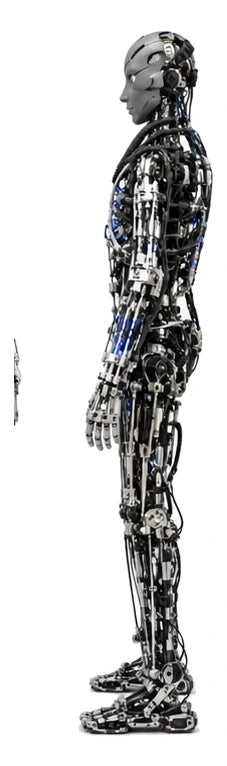 Side View
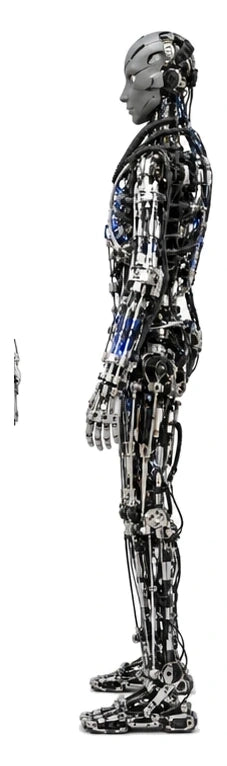 Side View
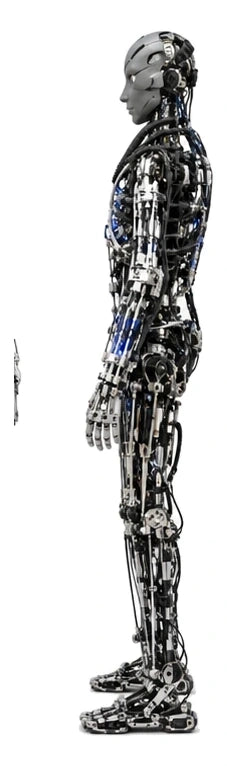 Side View
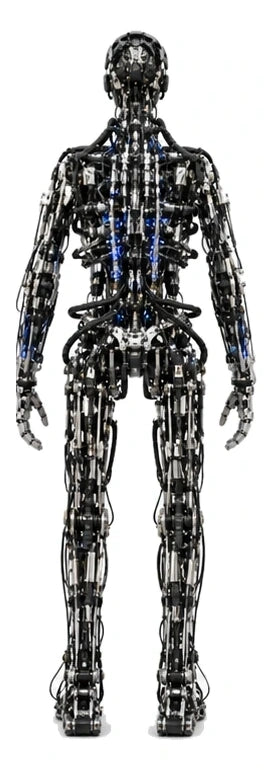 Rear/Back View
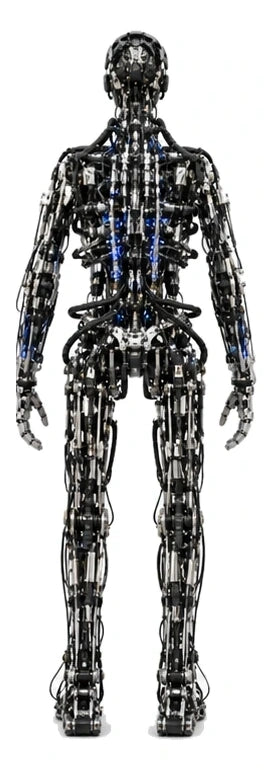 Rear/Back View
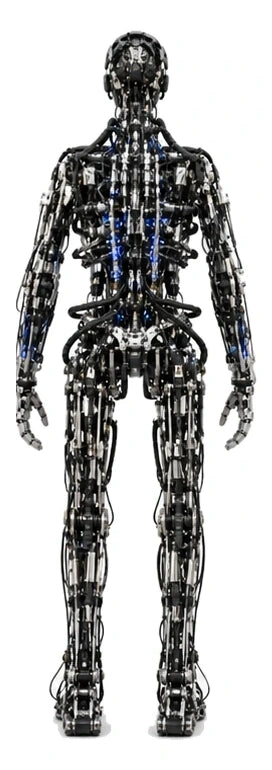 Rear/Back View
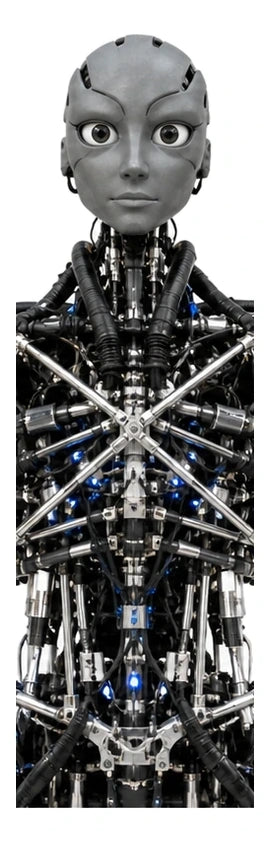 Head/Torso View
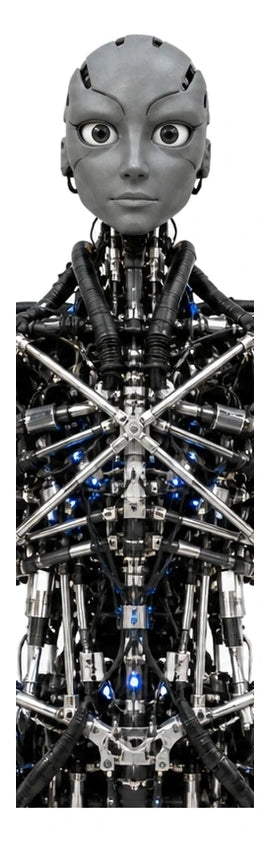 Head/Torso View
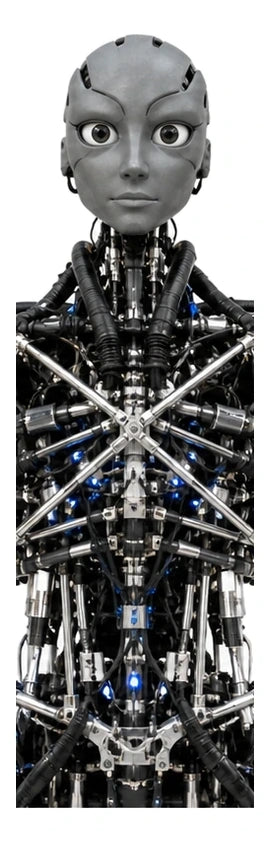 Head/Torso View
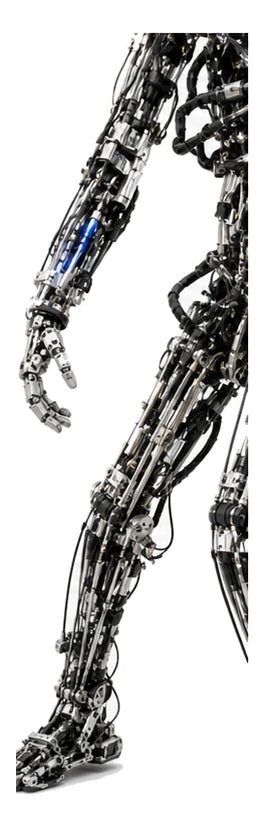 Arm + Leg View
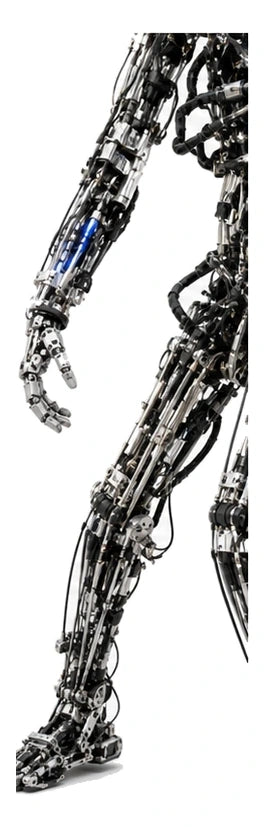 Arm + Leg View
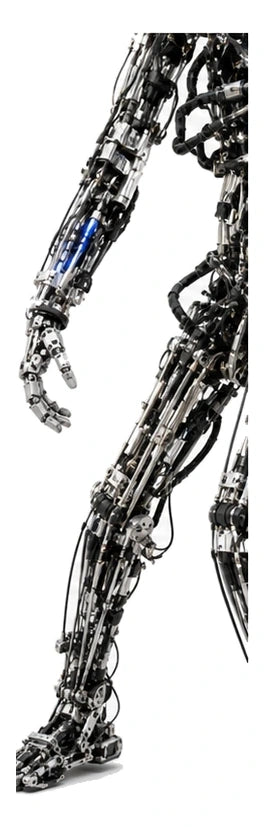 Arm + Leg View
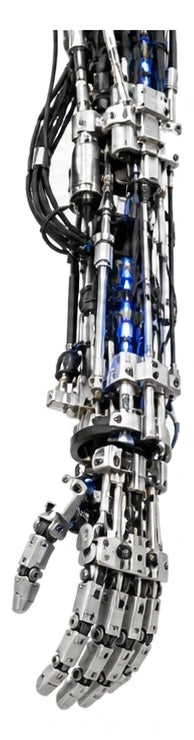 Arm View
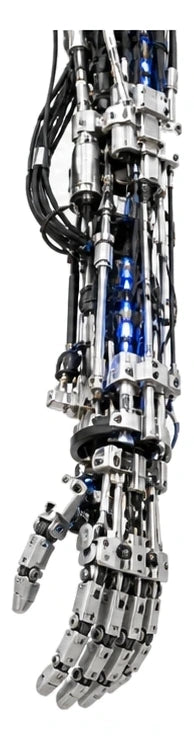 Arm View
Robot Intelligence Profile
Overview, buying status, and research notes
Profile coverage
Documented facts and source coverage
This humanoid profile connects reviewed reference records where available, including manufacturer pages, documentation, media, papers, patents, and community notes.
Public spec details7 items
Reference links1 sources
Images26 views
Videos0 clips
Data confidence88%
Kengoro spec card
Kengoro specs, price, availability and comparison
Quick answer: Kengoro is a humanoid associated with University of Tokyo. Based on currently available public information, its availability is research platform, and its pricing status is Price not publicly listed.
This profile is designed for people comparing humanoid robots, evaluating robot buying options, checking developer suitability, or researching the state of commercial robotics. Fields without enough public support stay unconfirmed until a stronger source is attached.
What is Kengoro?
Musculoskeletal humanoid research robot
Who makes it?
University of Tokyo is the manufacturer currently connected to this profile. Use the linked manufacturer page and source cards below to verify company-level details, model lineage, and official product information.
What is it designed for?
Kengoro is most relevant for musculoskeletal robotics research. Treat use-case claims carefully when the robot is still marked as prototype, piloting, announced, or unavailable to the public.
Availability and price
Availability: research platform. Price: Price not publicly listed. Robot pricing often depends on configuration, support contract, accessories, and whether the customer is buying, leasing, or joining a pilot.
Hardware and design
Public hardware details are still incomplete for Kengoro; published dimensions and manipulation fields are listed in the specification table.
Mobility
Walking: Legged walking mobility
Hands, manipulation and payload
End-effector and hand details are not fully documented yet. Use payload, hand DOF, finger count, and grip fields when comparing manipulation ability.
Battery and charging
Battery chemistry, charging method, and runtime are not fully documented in the public data yet. Runtime should not be assumed beyond the fields shown in the specification table.
AI, software and developer support
Software, SDK, ROS, local AI, and cloud AI details are tracked when publicly available. Software details stay unconfirmed until a stronger source is connected.
Strengths
- 1 linked source records support verification.
- 26 approved image assets help compare visible design and proportions.
Limitations and uncertainties
- Runtime is not fully documented in the public data.
- Robot specifications can change quickly as manufacturers revise hardware, software, and deployment programs.
Best use cases
- musculoskeletal robotics research
Not ideal for
- Buyers who need guaranteed availability without confirming directly with the manufacturer.
- Procurement decisions that require independently verified pricing, warranty, and deployment support.
- Applications where missing safety, runtime, payload, or autonomy data cannot be tolerated.
Similar robots and comparisons
Compare Kengoro against nearby robots to understand maturity, cost, availability, hardware tradeoffs, and ecosystem differences.
FAQ
What is Kengoro?
Kengoro is a humanoid associated with University of Tokyo. FIRGELLI Robots tracks its public specifications, media, source links, availability status, and comparison data in one profile.
Who makes Kengoro?
Kengoro is listed with University of Tokyo. Use the manufacturer profile and source links on this page to verify company details before making buying or research decisions.
Is Kengoro available to buy?
Current availability status: research platform. If the robot is marked as a prototype, pilot, announced, or not publicly sold, treat pricing and delivery claims as preliminary.
How much does Kengoro cost?
Pricing status: Price not publicly listed. Robot prices often vary by configuration, support contract, deployment type, and customer type.
What are the main Kengoro specifications?
Headline specs include height Not publicly verified, runtime Not publicly verified, payload Not publicly verified, and degrees of freedom Not publicly verified.
What is Kengoro best used for?
Kengoro is most useful to evaluate in the context of musculoskeletal robotics research.
Specifications
Kengoro specifications
Specs are grouped into practical sections with plain-language values so readers can quickly compare the robot.
Identity 6 public details
Robot NameKengoro
ManufacturerUniversity of Tokyo
Country of OriginJapan
AvailabilityResearch platform
MarketResearch
Official product pageOpen official product page
Mobility 1 public detail
WalkingLegged walking mobility
Sources
Source links, manuals, papers, and further reading
Use these links to verify claims, inspect manufacturer pages, or continue deeper technical research.
Primary and supporting sources
Official pages, manufacturer pages, launch pages, and supporting references.