

Last updated 2025-07-01. Written by FIRGELLI Robots Editorial Team. Reviewed by Robbie Dickson.
What Is a Robot Actuator?
A robot actuator is the component that converts electrical, hydraulic, pneumatic or other energy into physical movement. In humanoid robots, actuators drive joints such as shoulders, elbows, wrists, fingers, hips, knees, ankles, necks and sometimes torso joints. Learn more about what actuators are and how they work in the FIRGELLI actuator guide.
Actuators are one of the most important parts of any humanoid robot because they determine strength, speed, precision, balance, dexterity, safety, cost, noise, efficiency, reliability, repairability and battery runtime.
Why Actuators Matter in Humanoid Robots
A humanoid robot can only walk, lift, grasp and recover from disturbances if its actuators can deliver the right torque at the right speed without overheating or becoming unsafe around people. The same robot body can feel completely different depending on actuator choices: a stiff high-ratio joint may be precise but less forgiving; a quasi-direct-drive joint may be more backdrivable but harder to package; a tendon-driven hand may be light and expressive but more complex to maintain.
- Walking and balance depend on hip, knee and ankle torque, control bandwidth and impact tolerance.
- Manipulation depends on shoulder, elbow, wrist, finger and grip actuator precision.
- Payload depends on continuous torque, thermal limits and the geometry of the arm.
- Speed depends on motor power, gear ratio, controller bandwidth and safe stopping behavior.
- Safety depends on force sensing, torque limits, compliance, brakes, software limits and mechanical design.
- Cost depends heavily on motors, precision gearboxes, encoders, bearings, sensors and custom electronics.
Main Types of Robot Actuators
| Actuator type | How it works | Where it is used | Strengths | Weaknesses |
|---|---|---|---|---|
| Electric rotary actuators | Brushless or servo motor creates rotation at a joint. | Humanoid hips, knees, shoulders, elbows, wrists. | Clean, efficient, battery friendly, precise. | Torque density, heat and gearing cost. |
| Brushless DC / PMSM actuators | A brushless motor or PMSM is controlled electronically. | Modern humanoid joint modules such as Unitree G1/H1. | High power density and controllability. | Needs motor control electronics and thermal design. |
| Servo actuators | Motor, gearbox, encoder and controller work as a position/torque unit. | Small humanoids, grippers, research platforms. | Simple integration and repeatable control. | Can be expensive or limited in peak torque. |
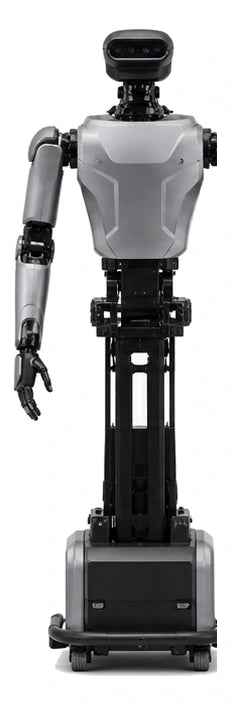
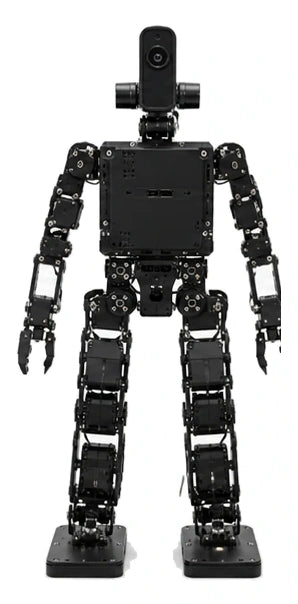
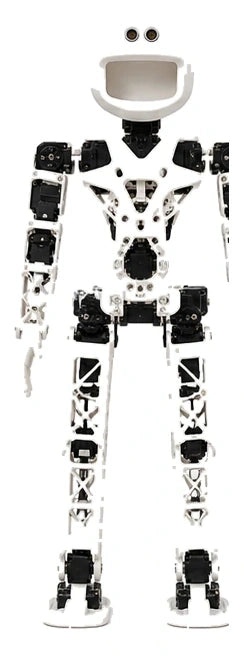
| Smart actuator modules | Integrated motor, gearbox, sensors, controller and communications. | ROBOTIS OP3, Poppy, modular robots. | Fast development and serviceability. | Supplier lock-in and module limits. |
| Direct-drive actuators | Motor drives the joint with little or no gear reduction. | Some torque-control research robots and high-compliance joints. | Low backlash and natural backdrivability. | Large/heavy motors for high torque. |
| Quasi-direct-drive actuators | Low-ratio gearing combines torque density with backdrivability. | Legged robots and dynamic humanoid research. | Good impact tolerance and force control. | Still requires careful thermal and control design. |
| Harmonic drive actuators | A strain-wave reducer multiplies torque compactly. | Arms, wrists, compact precision joints. | High reduction in a small package. | Cost, efficiency loss and potential compliance/backlash behavior. |
| Cycloidal drive actuators | Cycloidal reducer uses lobed disks and pins for torque multiplication. | Industrial arms and heavy joints. | Shock load capacity. | Packaging and precision tradeoffs. |
| Planetary gear actuators | Planet gears share torque around a sun gear. | Mobile robots, arms, grippers, wheels. | Compact, common and scalable. | Backlash and noise depend on quality. |
| Linear actuators | Rotary motor, screw or fluid cylinder creates straight-line motion. | Robot lifts, grippers, fixtures, test rigs, some muscle-like robot joints. | Simple push-pull force path. | Not always ideal for compact rotary joints. |
| Tendon-driven actuators | Motors pull tendons or cables routed through the body. | Hands, arms, lightweight humanoids such as NEO. | Keeps mass away from distal joints. | Routing, stretch and maintenance complexity. |
| Series elastic actuators | Elastic element sits between motor and load. | Legged robotics and force-safe research systems. | Force sensing and impact compliance. | More control complexity and bandwidth limits. |
| Hydraulic actuators | Pressurized fluid drives cylinders or rotary hydraulic motors. | Older Atlas-style high-power robots and heavy machinery. | Extreme force density. | Pumps, leaks, noise, service and inefficiency. |
| Pneumatic actuators | Compressed air drives motion. | Soft robotics, simple grippers, fast automation. | Low cost and high speed. | Lower precision and stiffness. |
| Artificial muscles / soft actuators | Material deformation or fluidic pressure creates motion. | Soft grippers and research robots. | Compliant and safe around people. | Often limited in load, speed or durability. |
| Custom integrated joint actuators | Robot company designs motor, gearbox, sensors, brakes and electronics as one joint. | Most serious humanoid programs. | Optimized for the robot's exact mass and gait. | Hard to compare because data is proprietary. |
Robot Actuator Comparison Table
| Robot | Manufacturer | Robot type | Actuator type | Supplier / maker | Actuator count | DOF | Joint locations | Torque | Confidence | Notes |
|---|---|---|---|---|---|---|---|---|---|---|
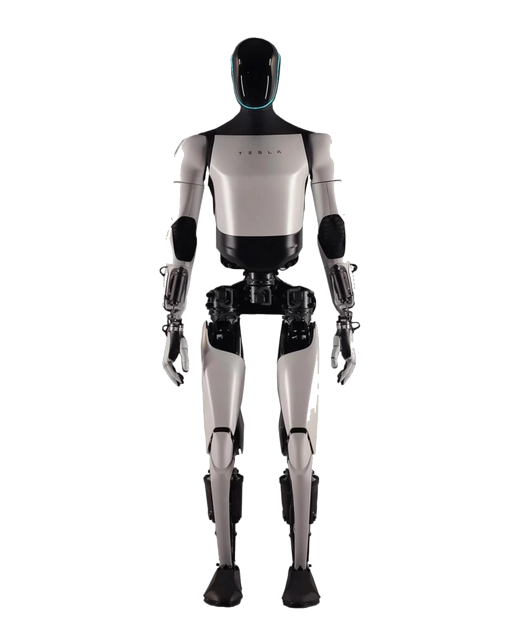
| Tesla | Humanoid | Custom electric joint actuators are reported from public demos; current production details not fully published | Tesla / in-house reported | Not publicly disclosed | 28 reported by secondary listing; Tesla has not published a stable current DOF table | Major body joints and hands | Not publicly disclosed | Reported / not fully public | Tesla's current AI page describes the bipedal robot program but does not publish a stable actuator table. | |
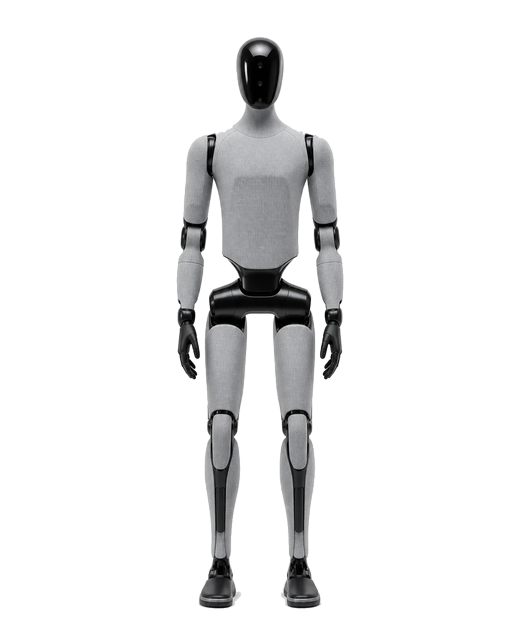
| Figure AI | Humanoid | Electric humanoid actuators; detailed supplier and torque data not public | Not publicly disclosed | Unknown | 35 reported in KB | Legs, arms, hands, torso/head | Unknown | Unknown | Treat supplier claims as unconfirmed unless Figure publishes them. | |
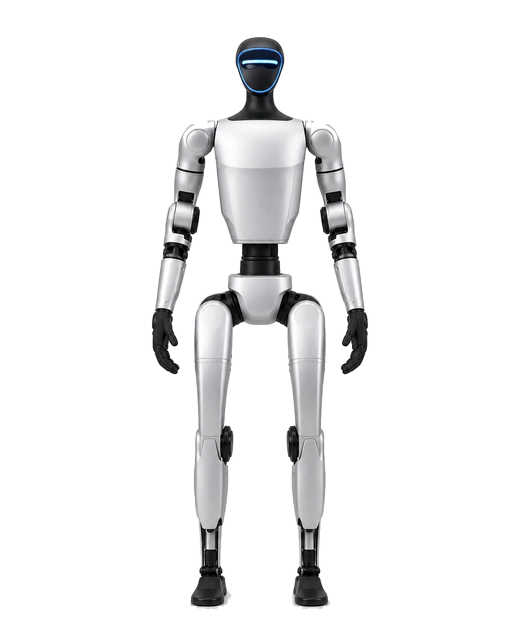
| Unitree Robotics | Humanoid | Electric rotary joint motors with PMSM core joint motors | Unitree | 23 to 43 joint motors | 23 to 43 | Legs, waist, arms, optional hands/wrists | 90 N.m knee, 120 N.m G1 EDU knee | Verified official | Unitree publishes motor, torque, encoder, cooling and power details. | |
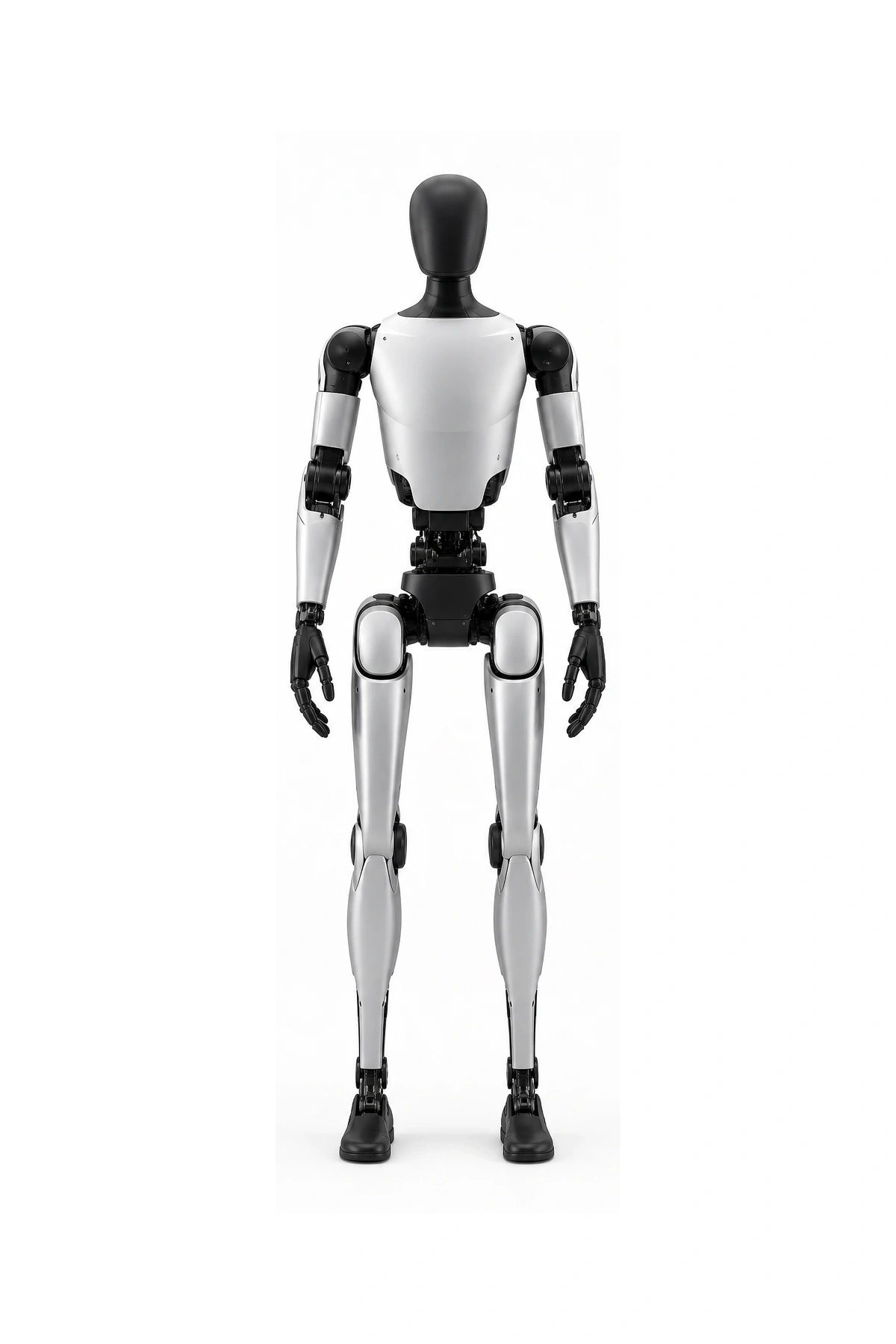
| Unitree Robotics | Humanoid | Electric M107 joint motor architecture | Unitree | Not separately stated | H1-2: 27 | Legs, arms, waist | Up to 360 N.m leg joint torque | Verified official | Unitree publishes maximum joint torque, motor type and torque-density claims. | |
| Unitree Robotics | Humanoid | Electric humanoid joint system; detailed actuator table limited | Unitree | Unknown | 31 in KB | Humanoid joints | Unknown | Reported / developing | Use official H2 page for current configuration; supplier is Unitree in-house unless otherwise disclosed. | |
| Unitree Robotics | Humanoid | Electric humanoid joint system; detailed actuator table limited | Unitree | Unknown | 26 in KB | Humanoid joints | Unknown | Reported / developing | Detailed motor specs are not yet as public as G1/H1. | |
| Apptronik | Humanoid | Electric humanoid joint system; modular robot architecture | Not publicly disclosed | Unknown | 30 in KB | Legs/arms depending configuration | Unknown | Official robot specs, actuator details undisclosed | Apollo public page emphasizes modularity, payload, runtime and safety more than actuator internals. | |
| 1X Technologies | Humanoid | 1X Tendon Drive / tendon-driven electric actuation | 1X | Unknown | 75 in KB | Body and hands | Unknown | Strongly supported | 1X publicly brands NEO around its tendon-drive approach, but granular motor specs remain limited. | |
| 1X Technologies | Wheeled humanoid | Electric actuation, supplier not publicly disclosed | Not publicly disclosed | Unknown | Unknown | Arms, torso/head, wheeled base | Unknown | Unknown | Included because it is important to 1X's actuator progression, but public actuator details are sparse. | |
| Sanctuary AI | Humanoid | Electric humanoid actuation publicly implied; detailed supplier not public | Not publicly disclosed | Unknown | 20 in KB | Upper body and mobile base/system joints | Unknown | Unknown | Sanctuary publishes robot positioning more than actuator specifications. | |
| Agility Robotics | Humanoid | Electric bipedal robot actuation | Not publicly disclosed | Unknown | 4 | Legs, arms, end effectors | Unknown | Official product, actuator details undisclosed | Agility publishes deployment capability and payload/runtime data, not a joint-module bill of materials. | |
| Boston Dynamics | Humanoid | New Atlas is all-electric; earlier Atlas generations used hydraulic actuation | Boston Dynamics / in-house | Unknown | 56 | Full humanoid body | Unknown | Verified official for electric Atlas | Boston Dynamics states the commercial Atlas path begins with an all-electric Atlas. | |
| UBTECH Robotics | Humanoid | Electric humanoid joint actuation; supplier not public | Not publicly disclosed | Unknown | 41 | Humanoid body | Unknown | Reported / official robot specs | Force/torque sensing is listed in the KB, but actuator supplier is not disclosed. | |
| UBTECH Robotics | Humanoid | Electric humanoid joint actuation; supplier not public | Not publicly disclosed | Unknown | 41 reported | Humanoid body | Unknown | Reported | Treat detailed actuator data as not public. | |
| Fourier Intelligence | Humanoid | Electric humanoid actuators; details limited in public spec summaries | Fourier / not publicly disclosed | Unknown | Unknown | Humanoid body | Unknown | Reported | Included as a Fourier humanoid platform; verify specific joint module details before procurement use. | |
| Fourier Intelligence | Humanoid | Electric humanoid actuators; details limited publicly | Fourier / not publicly disclosed | Unknown | 53 | Humanoid body and hands | Unknown | Reported / official product page | Public specs prioritize payload, DOF and application rather than supplier-level actuator details. | |
| Agibot | Humanoid | Electric humanoid actuators; public supplier data limited | Not publicly disclosed | Unknown | 49+ | Humanoid body | Unknown | Reported | Treat supplier claims as unverified. | |
| Astribot | Upper-body humanoid | High-speed electric manipulation actuators; detailed specs not public | Not publicly disclosed | Unknown | 14 in KB | Arms, hands, torso/head | Unknown | Reported / demo-based | Known mainly from public demos rather than a full public actuator table. | |
| Pudu Robotics | Humanoid | Electric bipedal humanoid actuation plus PUDU DH11 dexterous hands | Pudu | Unknown | 42 | Legs, arms, DH11 hands | 352 N.m maximum joint torque | Verified official | Pudu publishes DOF, max joint torque and hand motor/DOF details. | |
| Pudu Robotics | Semi-humanoid / service robot | Electric mobile/service robot actuation; detailed actuator specs limited | Pudu / not publicly disclosed | Unknown | 30 in KB | Arms/body/mobile base | Unknown | Reported | Included as part of Pudu's robot lineup, not a full biped humanoid actuator reference. | |
| Xiaomi | Humanoid prototype | Electric humanoid actuation; detailed supplier not public | Not publicly disclosed | Unknown | 21 | Humanoid joints | Unknown | Official robot announcement, limited actuator detail | Xiaomi disclosed humanoid concept/spec data but not supplier-level joint-module details. | |
| XPeng | Humanoid | Electric humanoid actuation; details limited | Not publicly disclosed | Unknown | 22 in KB | Humanoid joints | Unknown | Reported | Supplier claims should be treated as unconfirmed. | |
| EngineAI | Humanoid | Electric humanoid actuation; details limited | Not publicly disclosed | Unknown | Unknown | Humanoid joints | Unknown | Reported | Public information is mostly product positioning and demos. | |
| Kepler Robotics | Humanoid | Electric humanoid actuation; details limited | Not publicly disclosed | Unknown | 40 | Humanoid joints | Unknown | Reported | Detailed supplier and torque tables are not publicly established. | |
| Mentee Robotics | Humanoid | Electric humanoid actuation; details limited | Not publicly disclosed | Unknown | 40 | Humanoid joints | Unknown | Reported | Public actuator bill of materials not found. | |
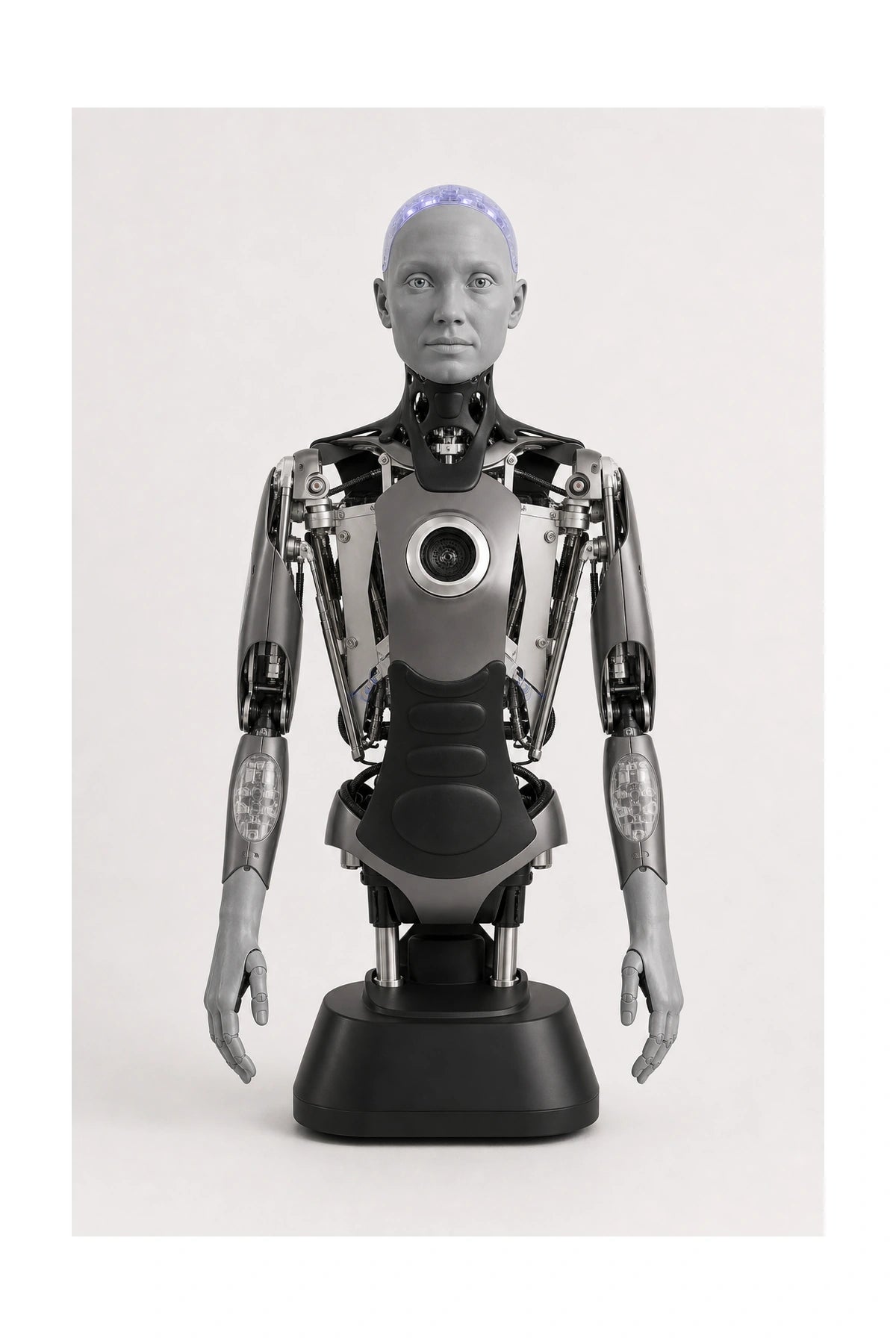
| Engineered Arts | Humanoid bust / social robot | Electric animatronic servo actuation | Engineered Arts / not publicly disclosed | Unknown | Unknown | Face, head, neck, arms/hands depending version | Unknown | Reported | Not a walking humanoid; included for expressive actuator design. | |
| SoftBank Robotics | Wheeled humanoid | Electric servo/motor actuation | SoftBank/Aldebaran, supplier not public | 20 moving parts/motors reported | 20 moving parts / motors | Head, arms, hands, mobile base | Unknown | Reported | Pepper is a social robot, not a high-torque biped. | |
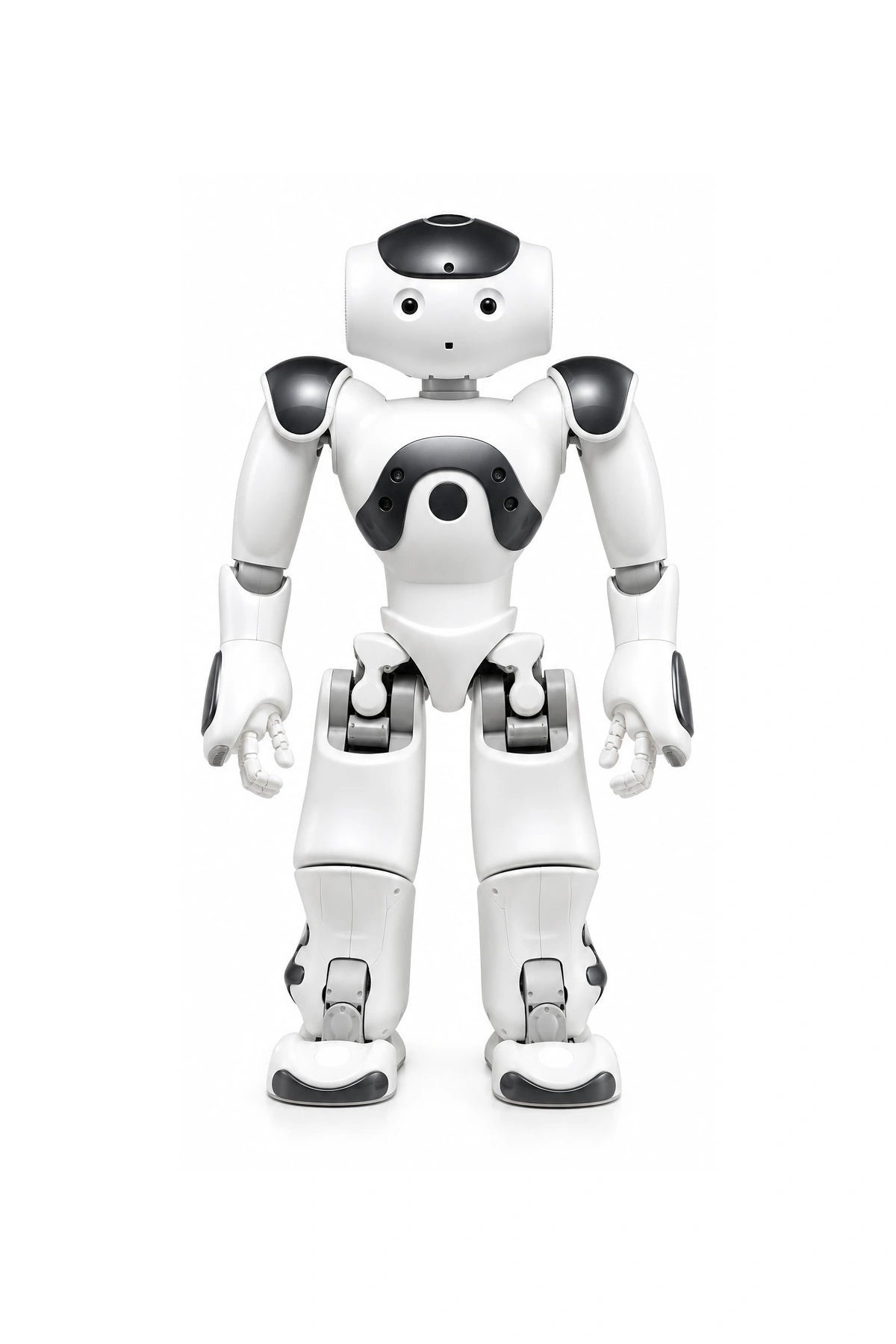
| Aldebaran | Small humanoid | Electric servo/motor actuation | Aldebaran/SoftBank, supplier not public | Unknown | 25 | Whole body small humanoid joints | Unknown | Reported | Good example of low-payload educational humanoid actuation. | |
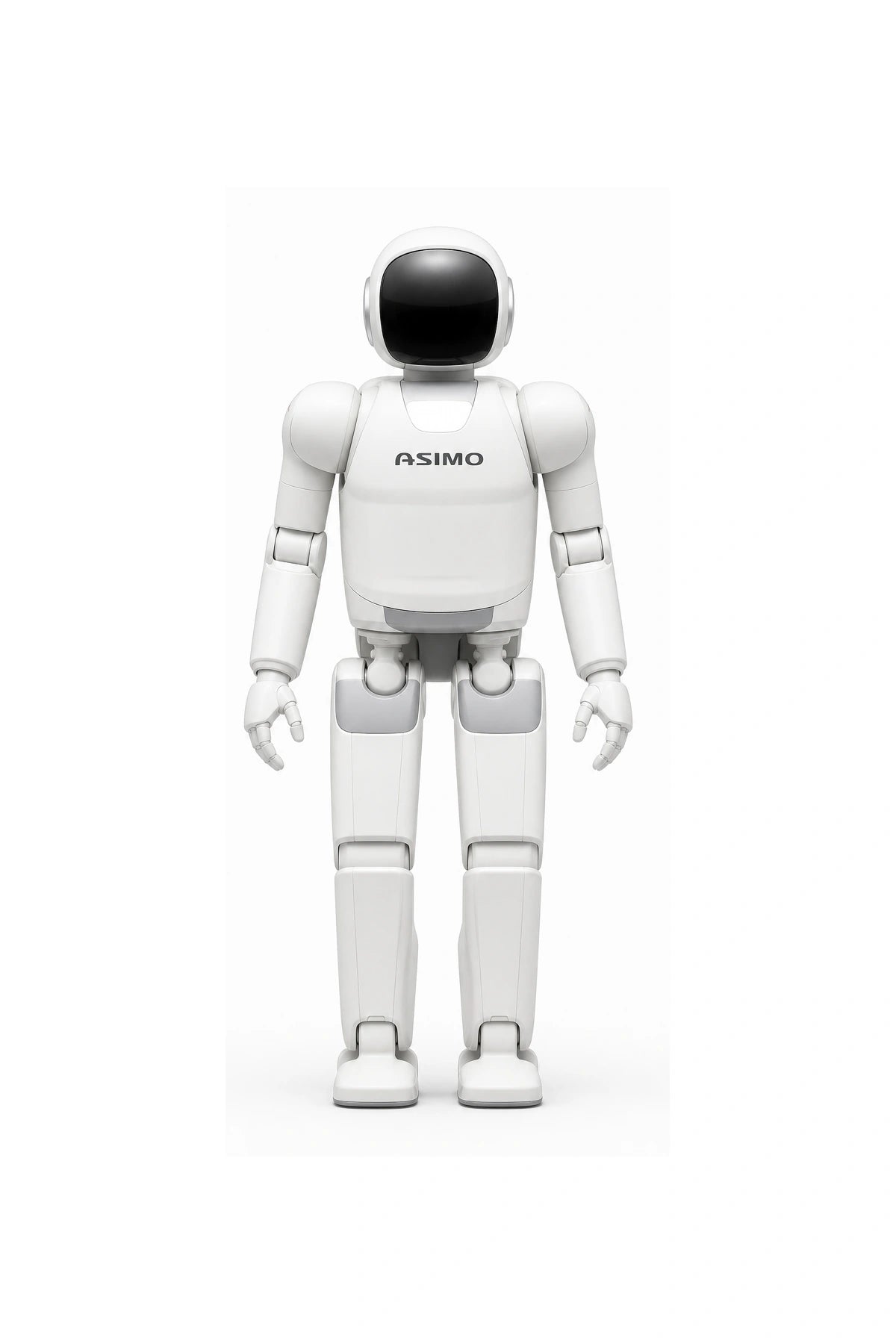
| Honda | Humanoid research robot | Electric servo actuation | Honda / in-house | Unknown | 57 | Whole body | Unknown | Historical / official robot | Honda's public ASIMO pages are historical and do not expose modern supplier tables. | |
| NASA | Humanoid research robot | Electric rotary elastic actuators reported in research context | NASA / partners | Unknown | 44 | Whole body | Unknown | Reported / research | Use NASA and research papers for detailed configuration; not a commercial product spec. | |
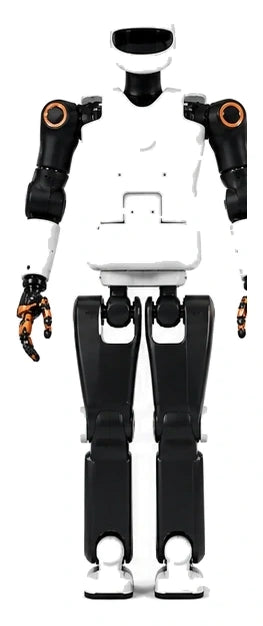
| PAL Robotics | Humanoid research robot | Electric torque-controlled joints with joint torque sensors | PAL Robotics / not publicly disclosed | Unknown | Unknown | Whole body except some head/wrist/gripper exceptions | Unknown | Verified official for torque sensing | PAL states torque sensor feedback in all joints except head, wrists and grippers. | |
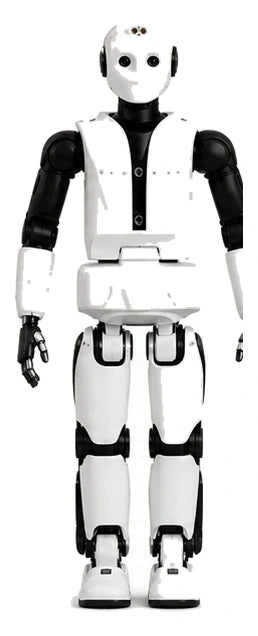
| PAL Robotics | Humanoid research robot | Electric biped humanoid actuation with ankle/wrist torque sensors | PAL Robotics / not publicly disclosed | Unknown | 68 | Whole body, ankles/wrists torque sensing | Unknown | Verified official | PAL publishes 68 DoF and torque sensors in ankles and wrists. | |
| Kawada Robotics | Humanoid research robot | Electric humanoid research actuators; detailed current supplier info limited | Kawada/AIST ecosystem | Unknown | 34 | Whole body | Unknown | Historical / reported | Older research platform; verify via papers for engineering reuse. | |
| Kawada Robotics / AIST | Humanoid research robot | Electric humanoid research actuators; supplier details not public in site data | Kawada/AIST ecosystem | Unknown | 37 | Whole body | Unknown | Official research announcement / reported | Included as a construction-research humanoid reference. | |
| Toyota | Humanoid research robot | Electric torque-servo humanoid control architecture | Toyota / in-house | Unknown | Unknown | Whole body with master maneuvering system | Unknown | Official product history, limited actuator table | Actuator supplier-level details are not public. | |
| IIT | Humanoid research robot | Electric motors with tendon/cable-driven hands and compact joints | IIT / mixed research supply chain | Unknown | 53 | Whole body, hands | Unknown | Reported / research | Use official iCub docs and papers before treating supplier data as fixed. | |
| KIT | Humanoid research robot | Electric research humanoid actuation; details vary by subsystem | KIT / research supply chain | Unknown | Unknown | Whole body | Unknown | Reported / research | Public project data is more about system capability than supplier identity. | |
| ROBOTIS | Small humanoid | ROBOTIS DYNAMIXEL XM430-W350-R smart servos | ROBOTIS | 20 actuators / DOF | 20 | All small humanoid joints | 4.1 N.m stall torque listed for XM430-W350 | Verified official | ROBOTIS publishes actuator model, gear ratio, torque, current and DOF. | |
| Poppy Project | Small open-source humanoid | ROBOTIS / DYNAMIXEL smart servo actuators | ROBOTIS | 25 actuators listed in KB | 25 actuators | Whole body | Varies by selected Dynamixel model | Verified from KB/source-backed project data | Good educational reference for modular servo-actuator humanoids. | |
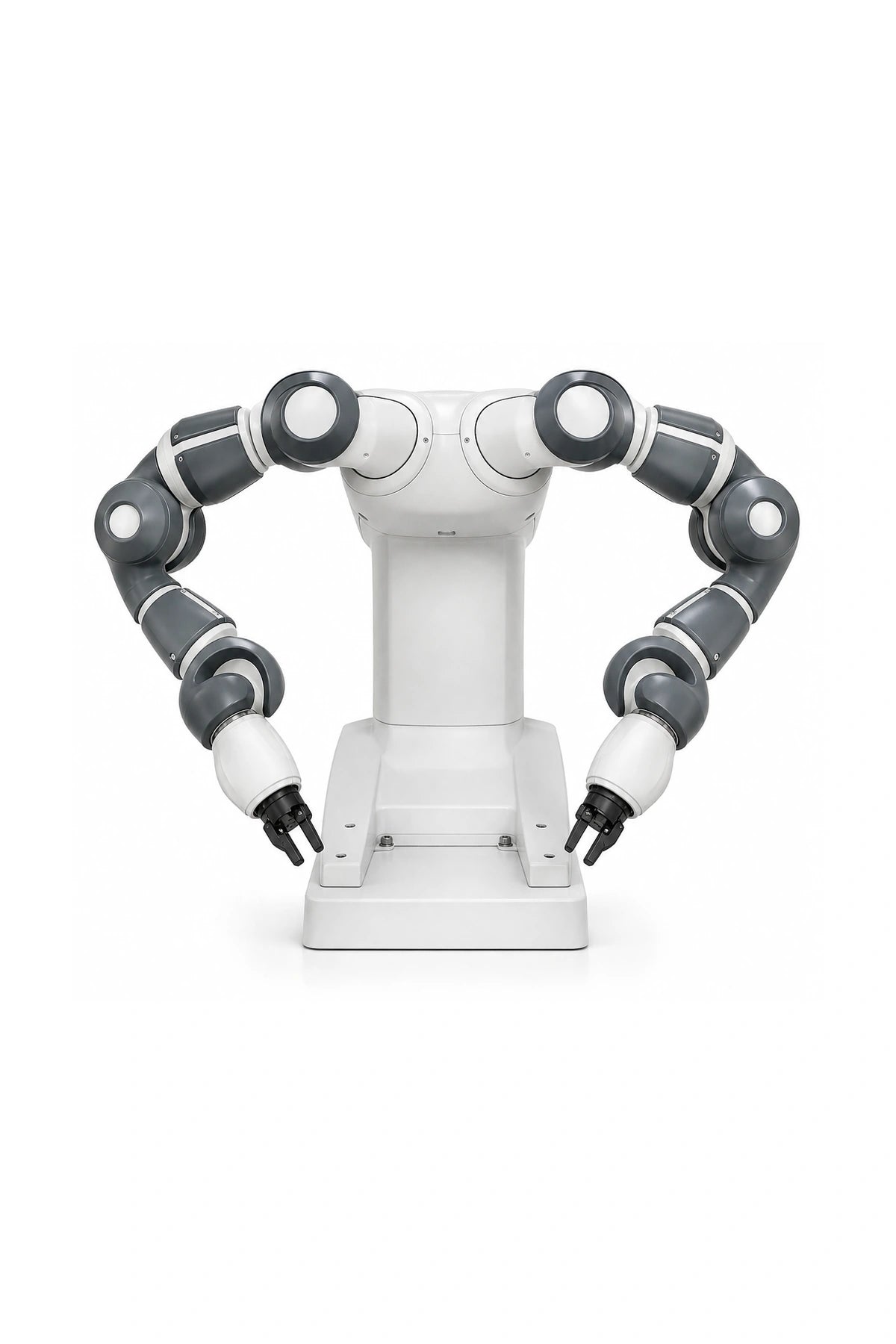
| ABB | Dual-arm collaborative robot | Industrial electric servo joints | ABB / in-house industrial robotics | 14 axes total | 14 | Two 7-axis arms | Unknown | Official product family, supplier not public | Not humanoid; included because it is a key collaborative arm actuation reference. | |
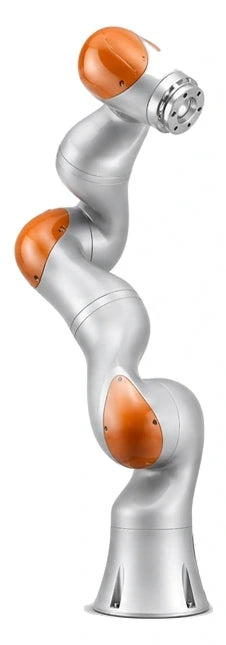
| KUKA | Collaborative robot arm | Industrial electric servo joints with joint torque sensors | KUKA | 7 axes | 7 | Seven robot axes | Axis-specific torque accuracy +/-2% of max torque | Verified official | KUKA publishes torque-sensor and 7-axis collaborative-robot data. | |
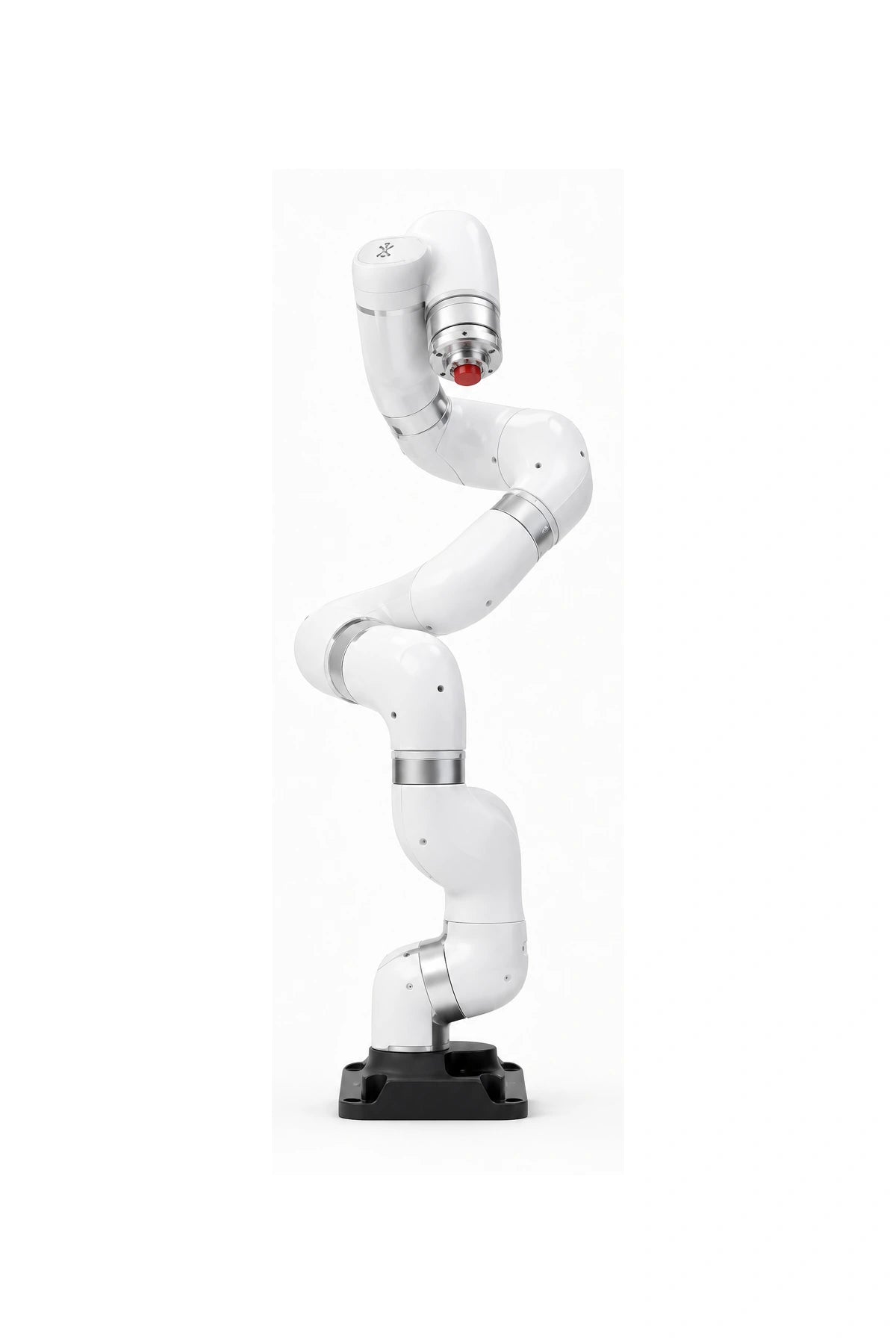
| Franka Robotics | Research robot arm | Seven integrated electric joints with torque sensors | Franka Robotics | 7 actuators minimum | 7 | 7-axis arm | Torque sensors in each joint; exact actuator torque table not in public page | Verified official | Franka publishes 7 DoF, 7 integrated torque sensors and 1 kHz control access. | |
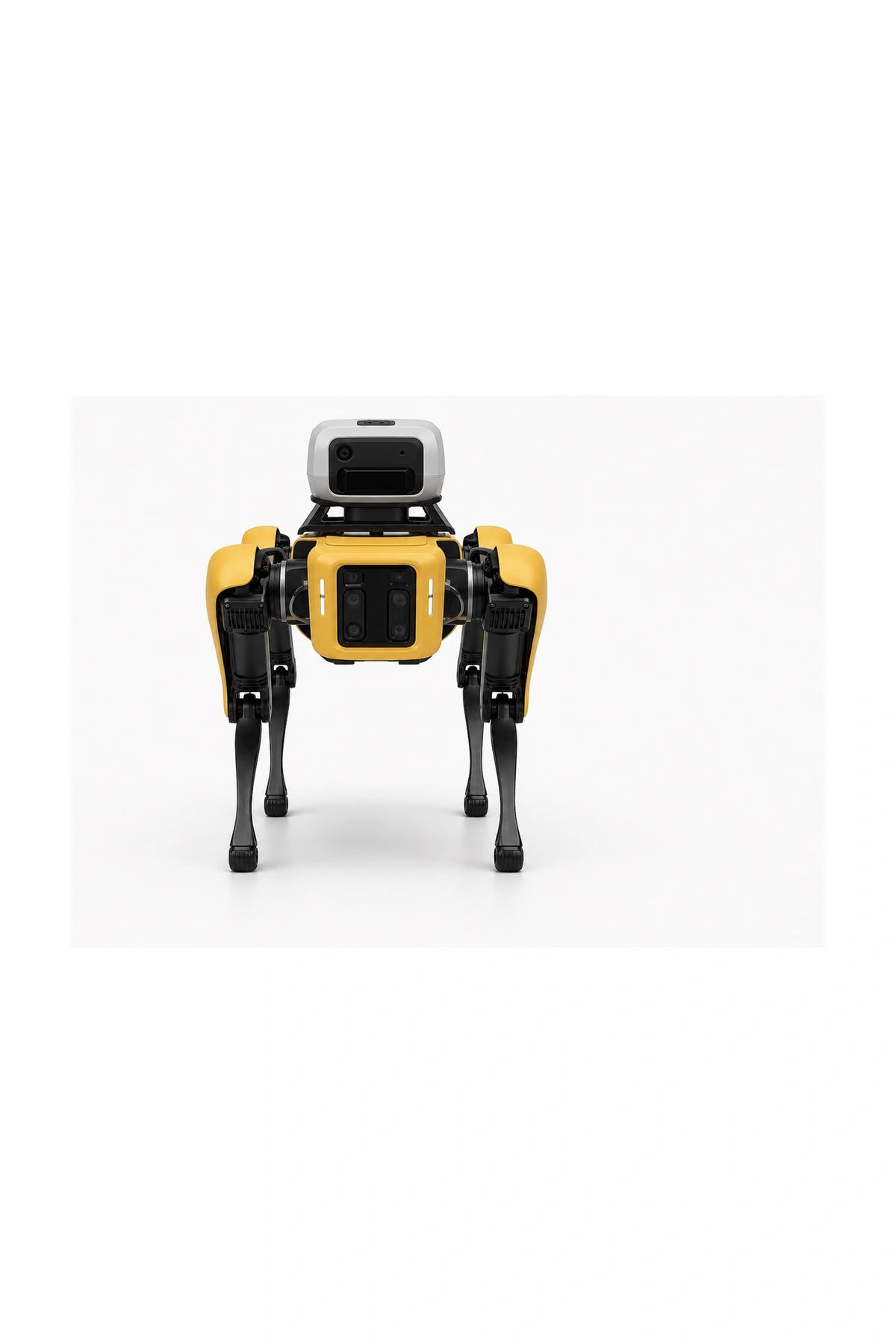
| Boston Dynamics | Quadruped | Electric quadruped actuators | Boston Dynamics / in-house | Unknown | Unknown | Four legs plus optional arm | Unknown | Official product, actuator details not public | Included as a non-humanoid benchmark for compact legged actuation. | |
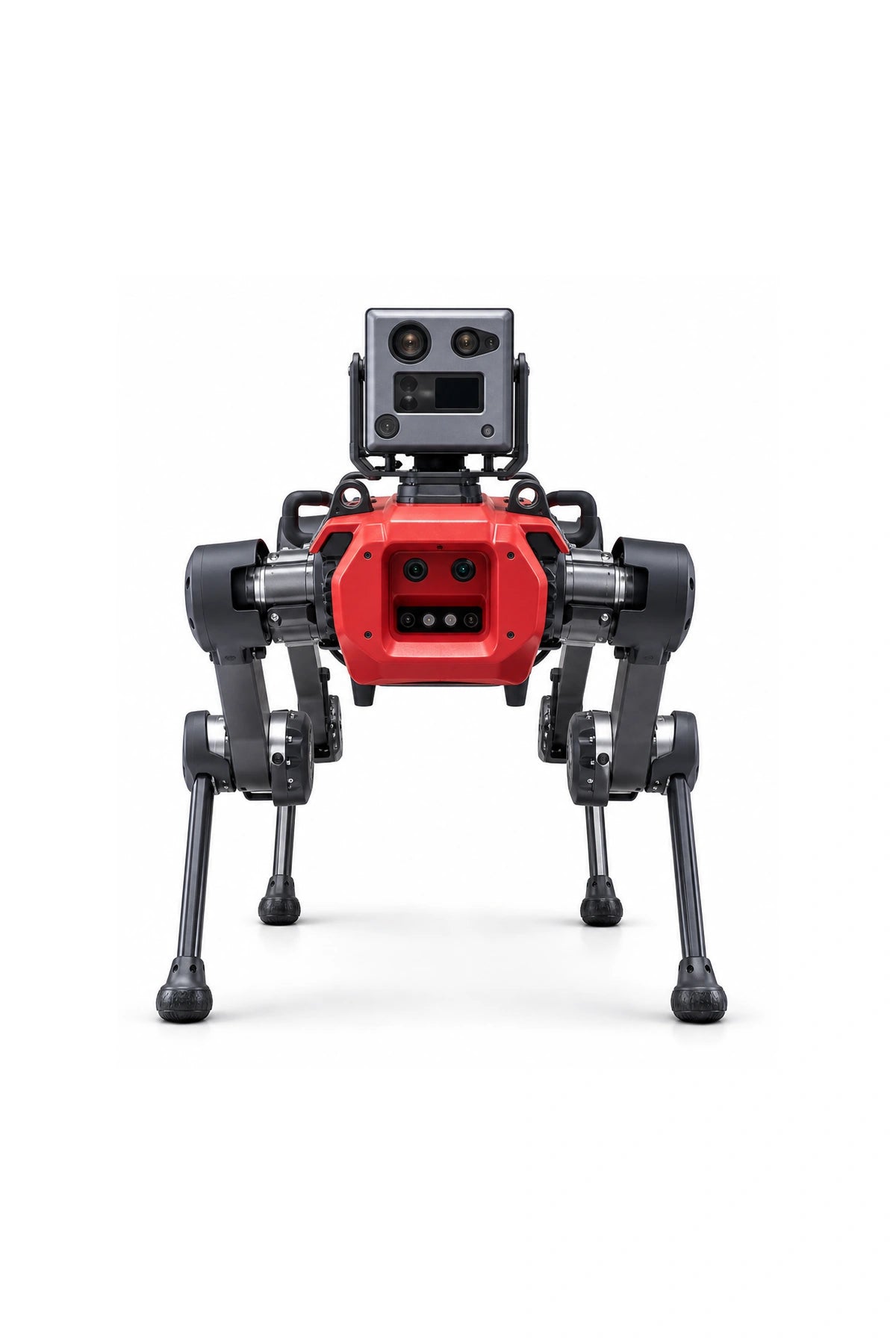
| ANYbotics | Quadruped | Electric legged-robot actuation; detailed actuator module not fully public | ANYbotics / not publicly disclosed | Unknown | Unknown | Four legs, inspection payload pan-tilt | Unknown | Official product, actuator details limited | Included because industrial quadrupeds are relevant to legged actuator design. |
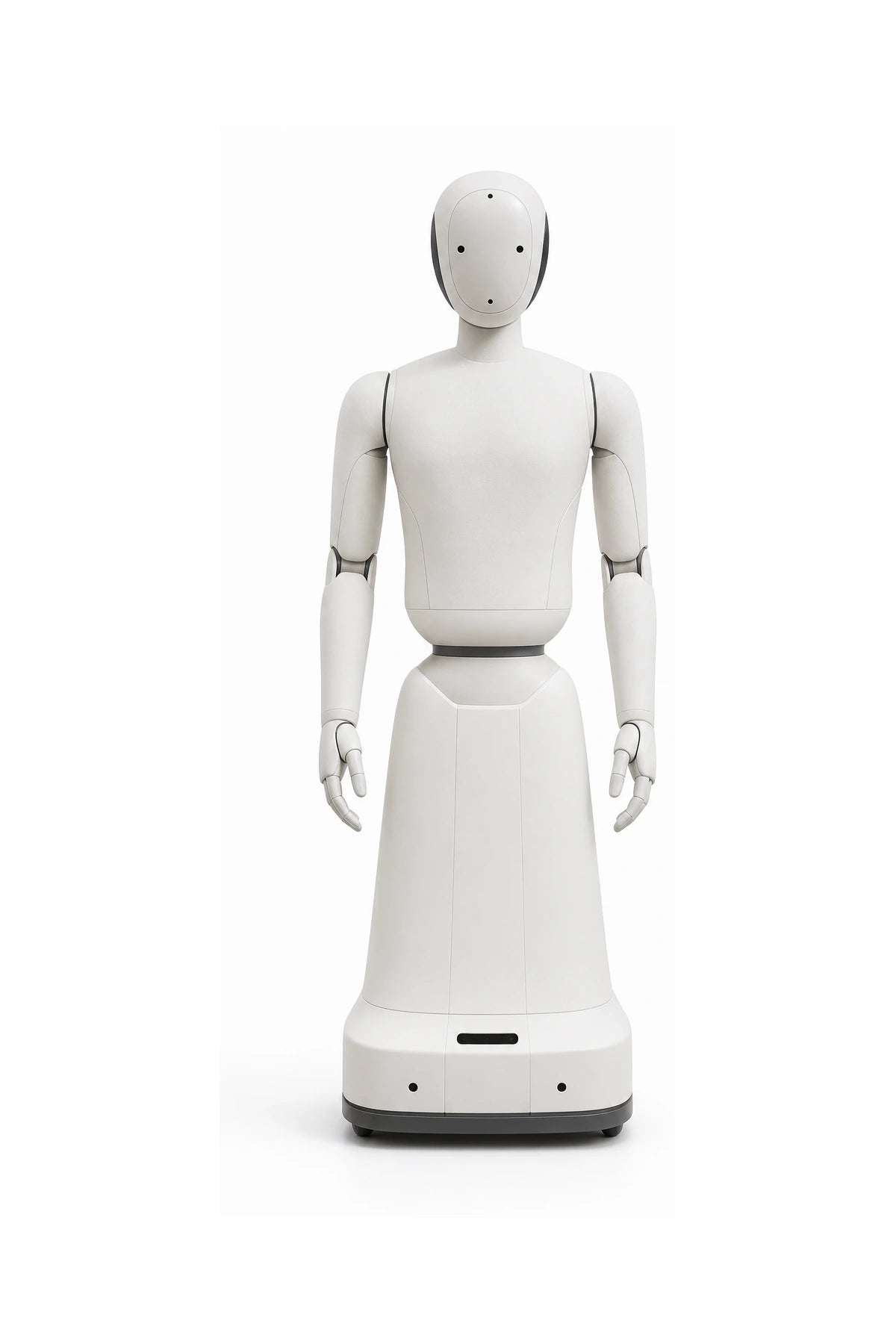
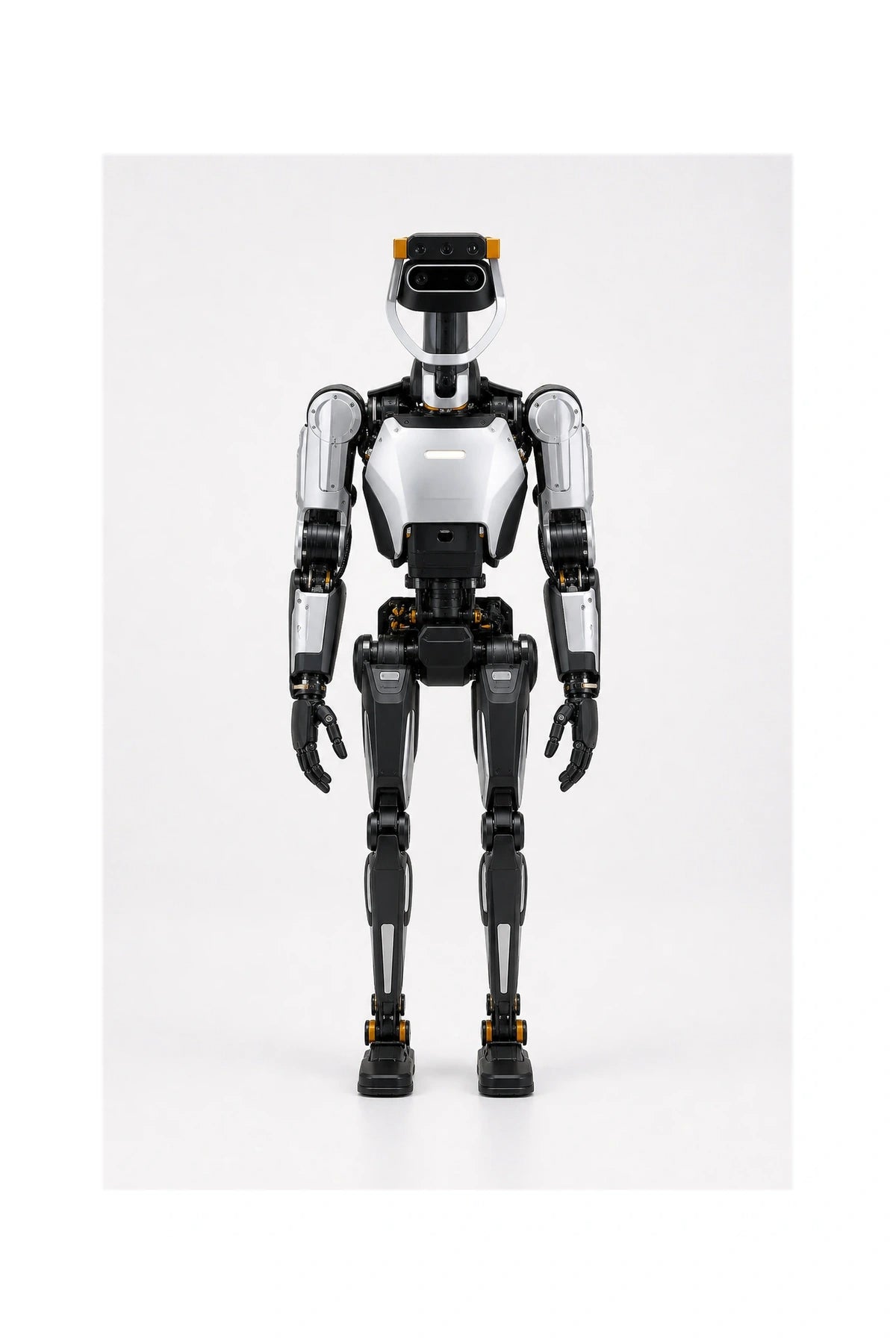
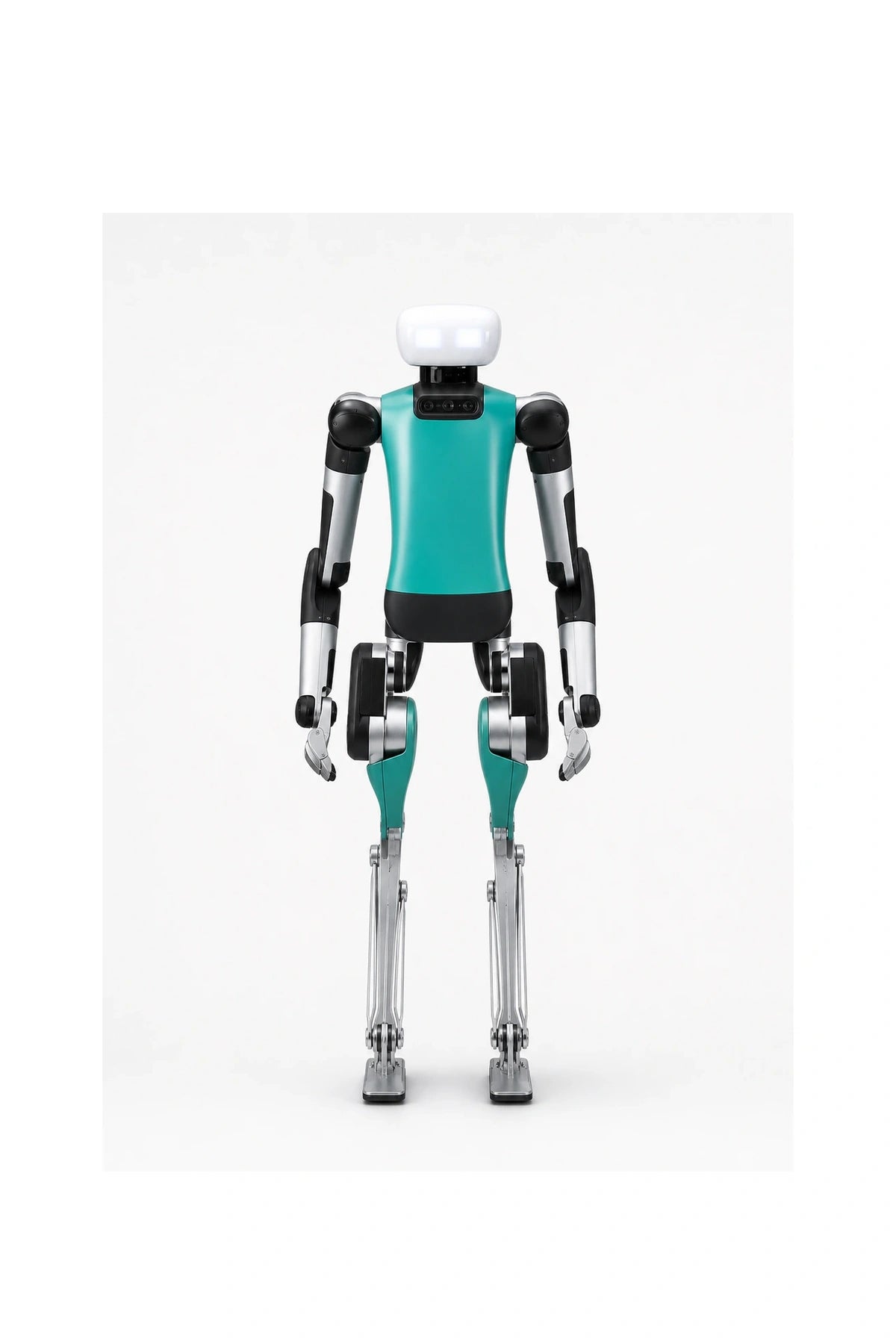
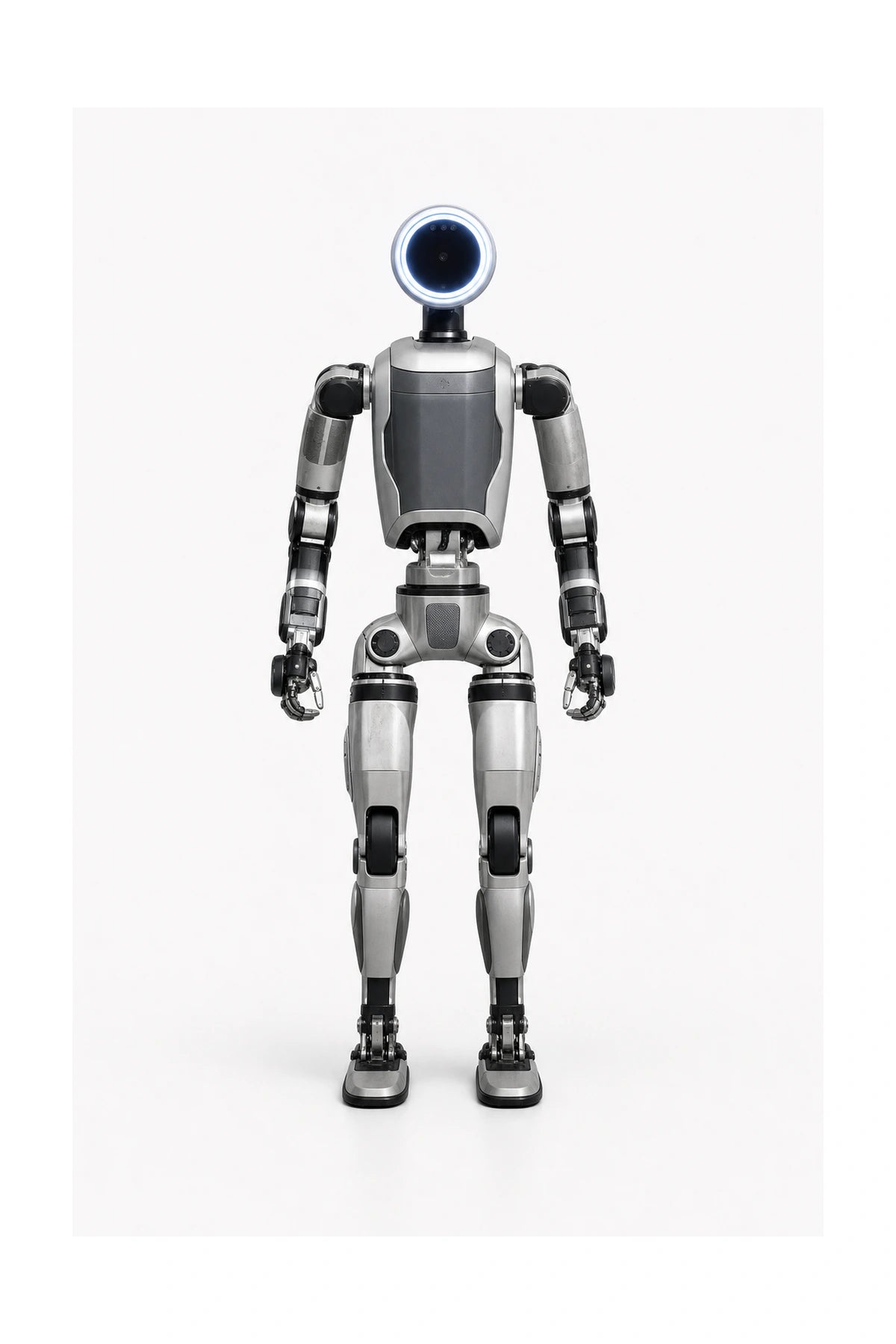
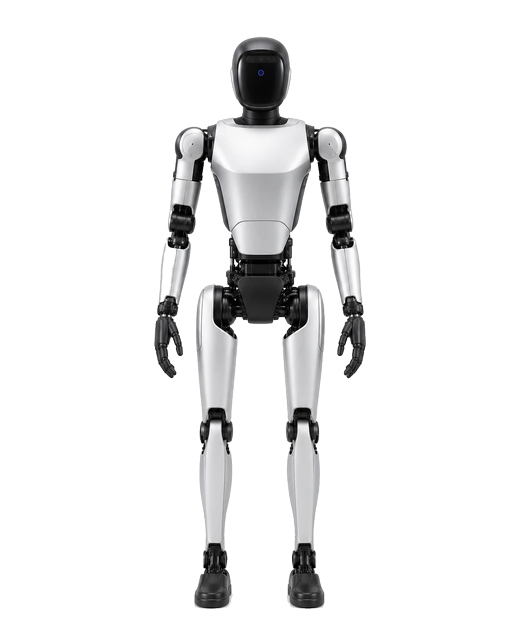
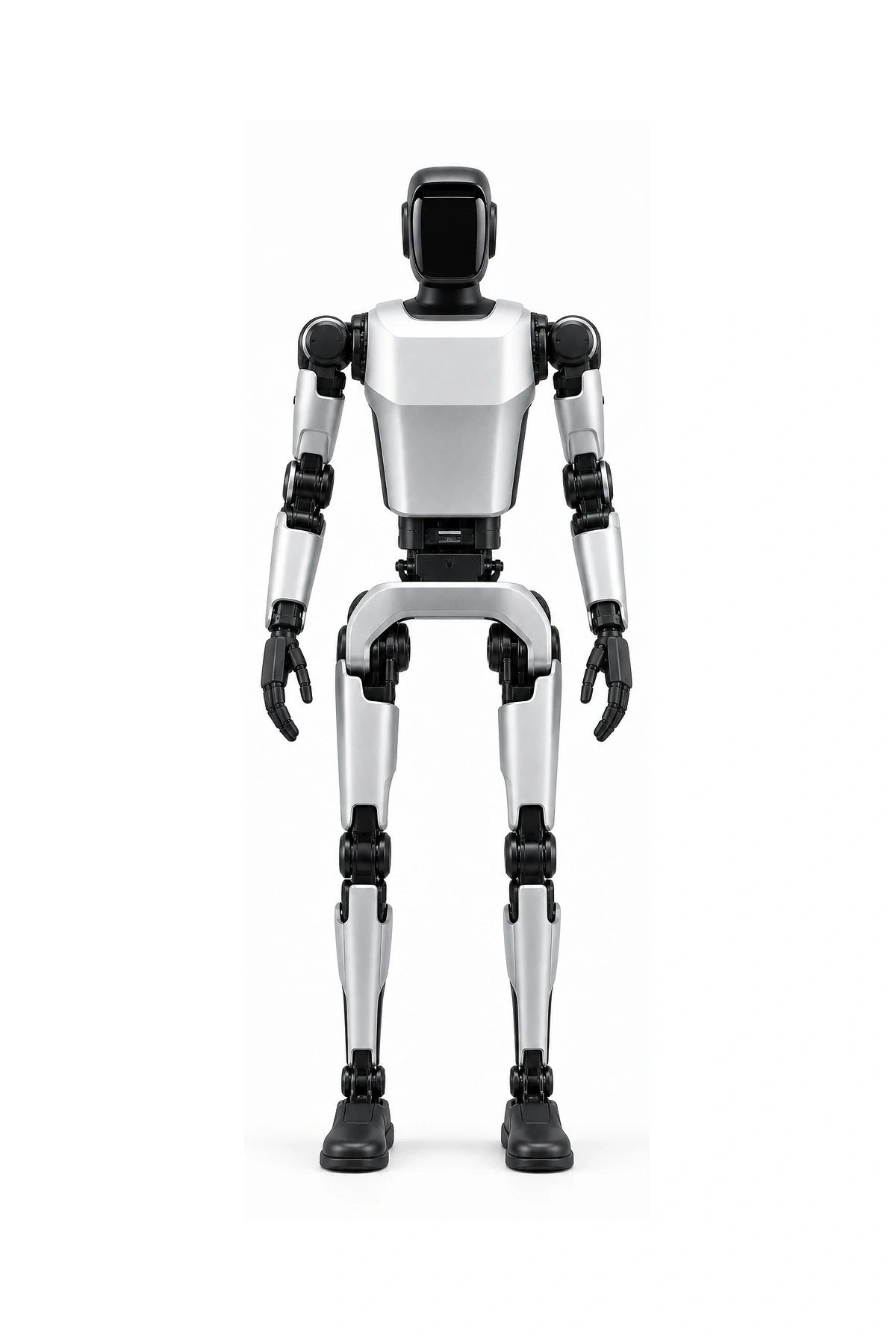
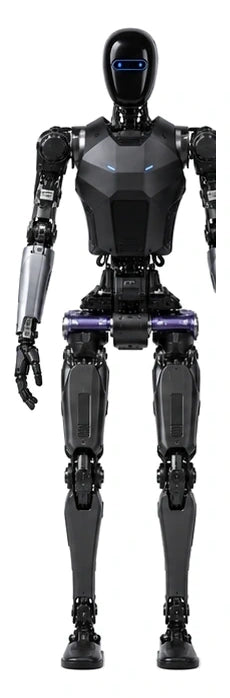
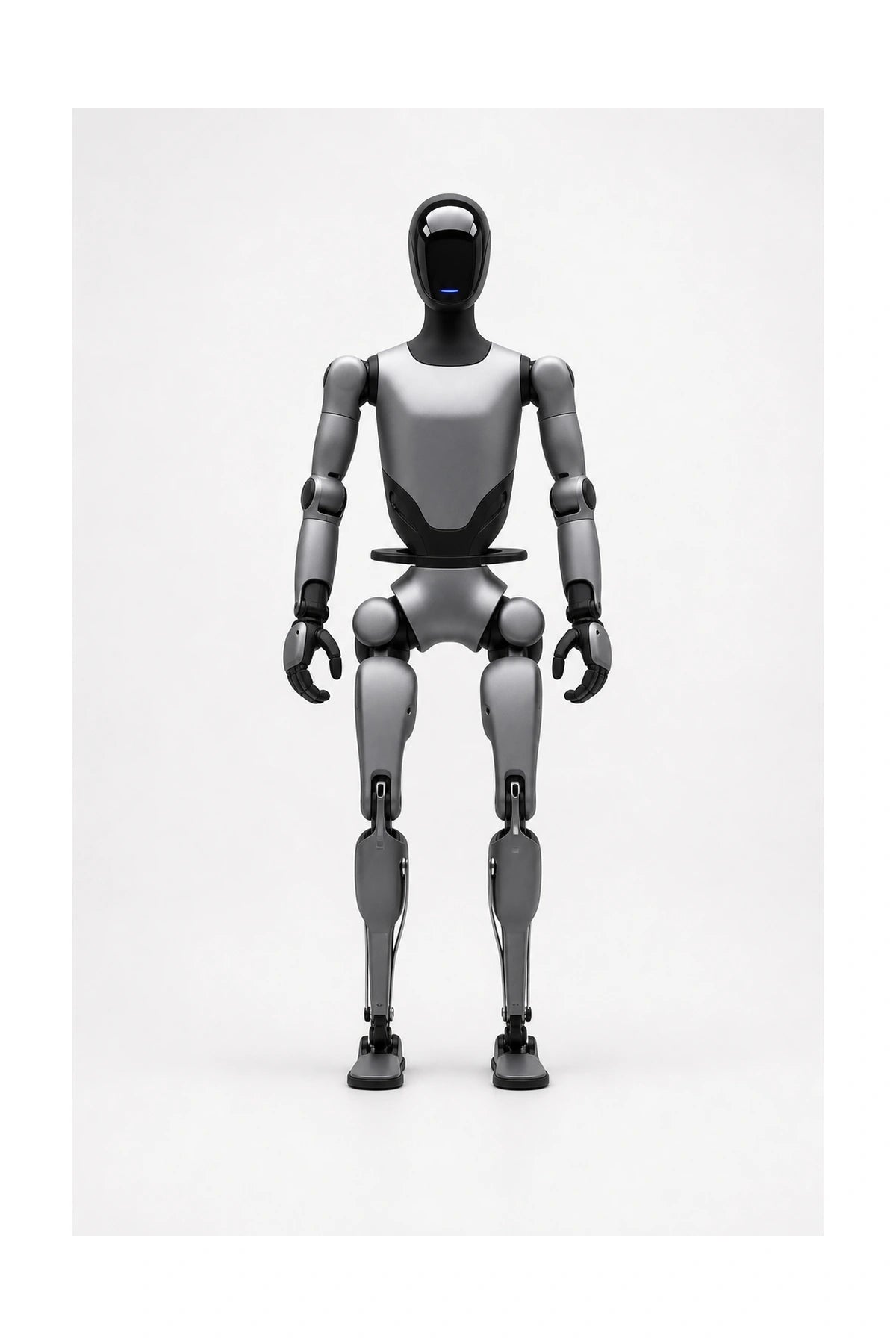
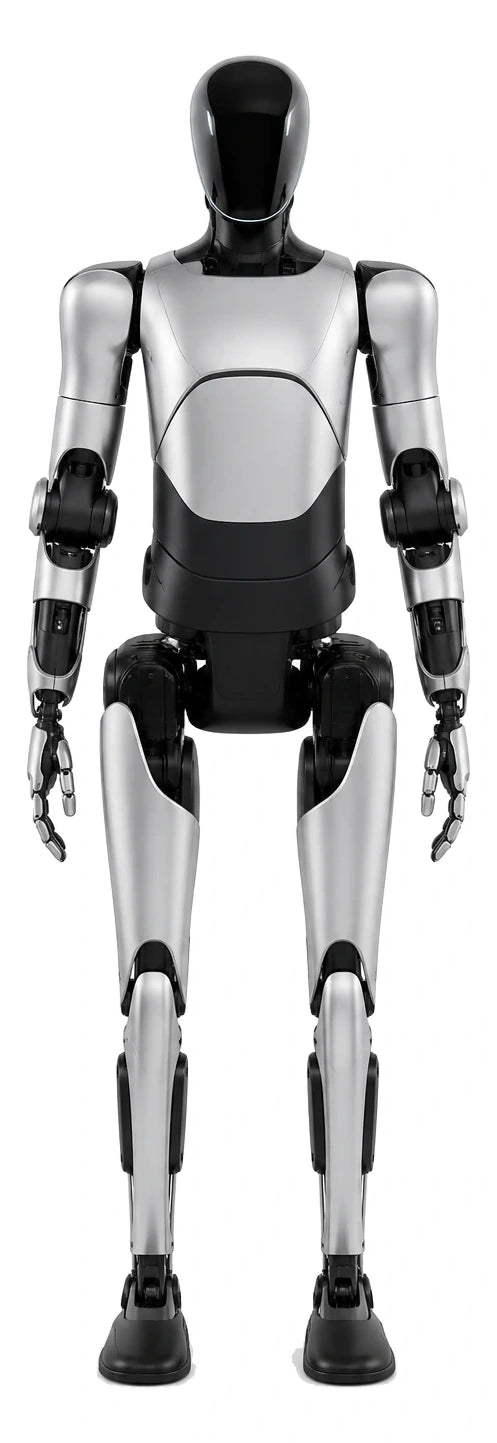
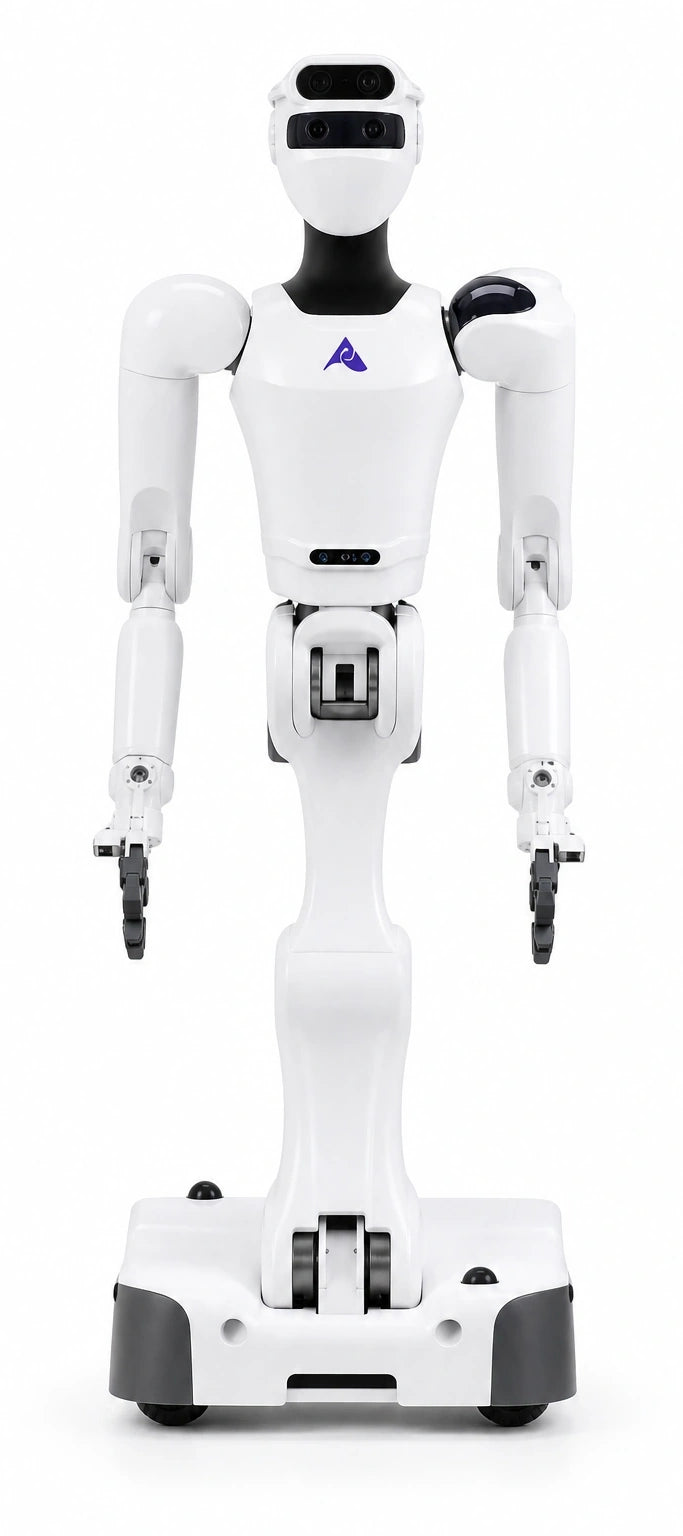
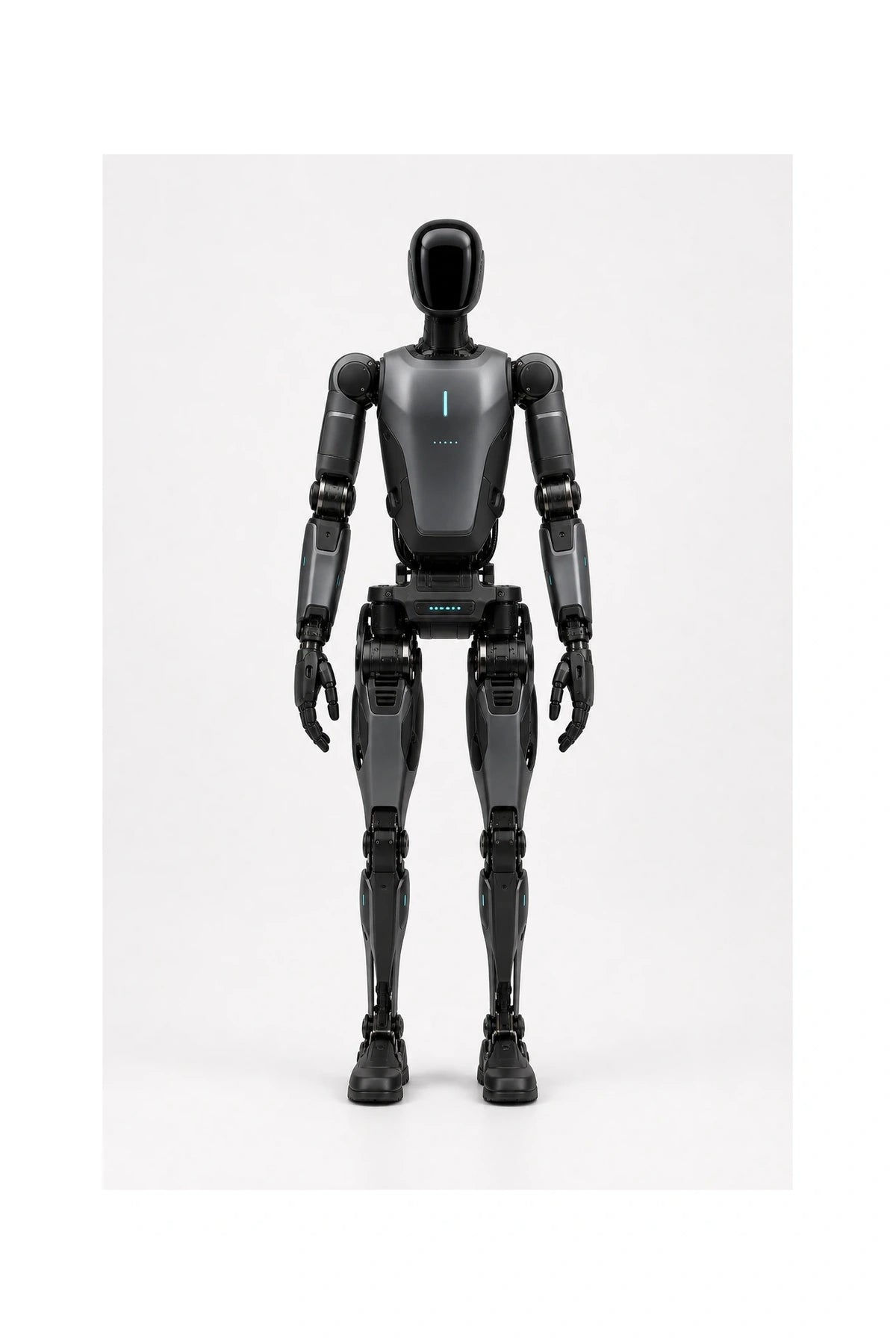
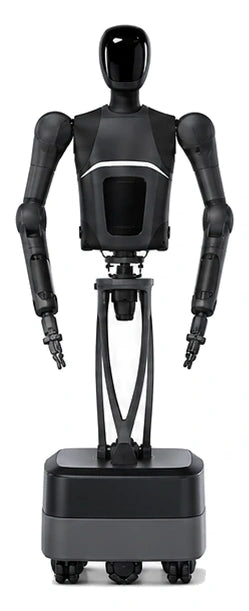
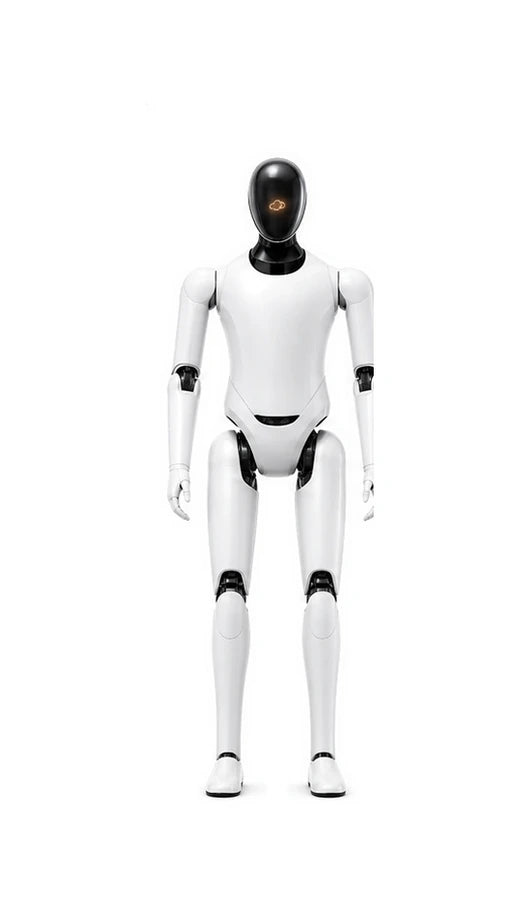
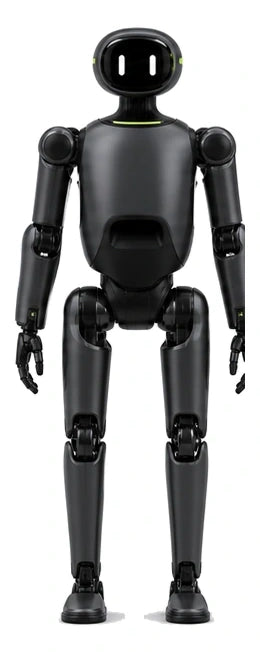
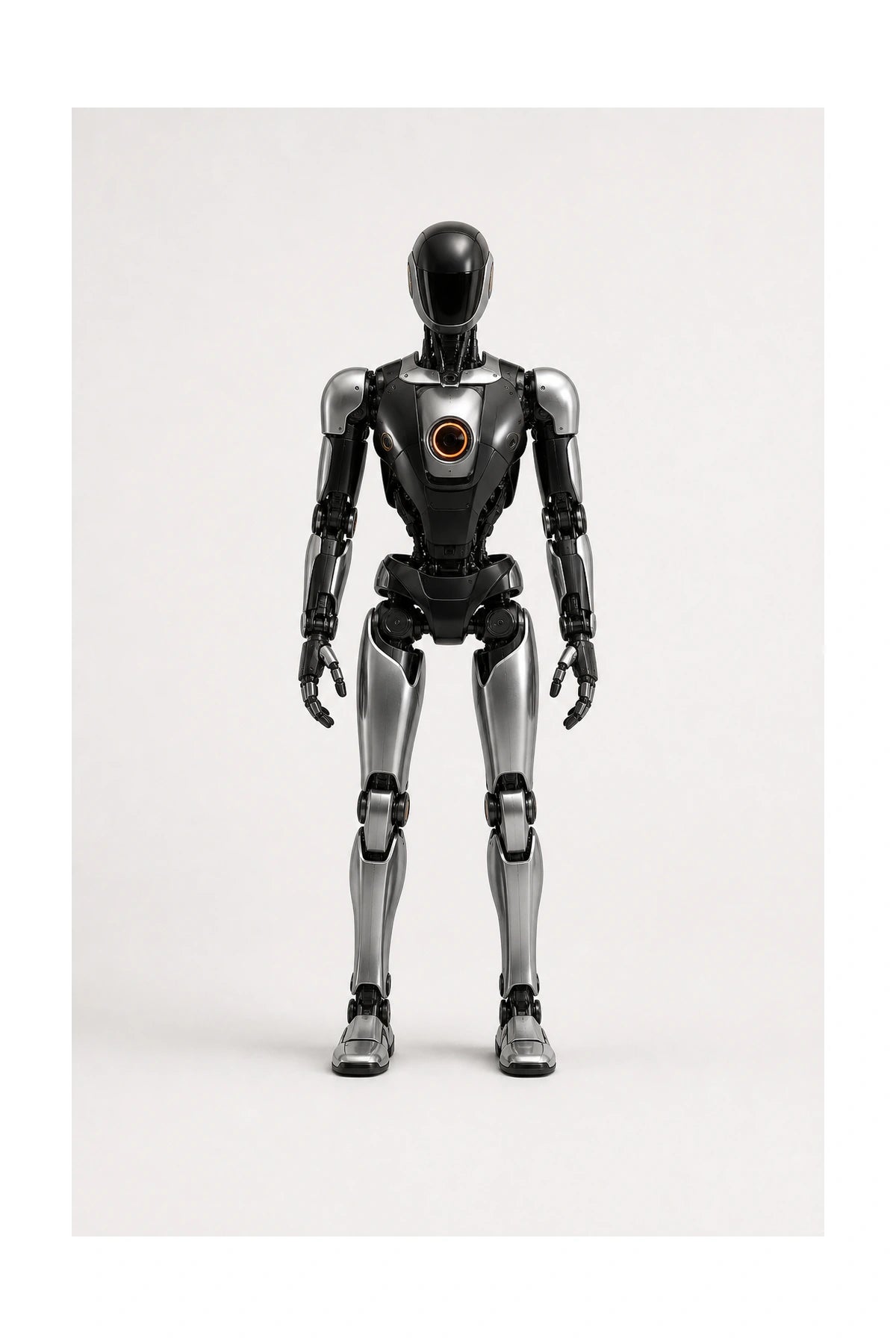
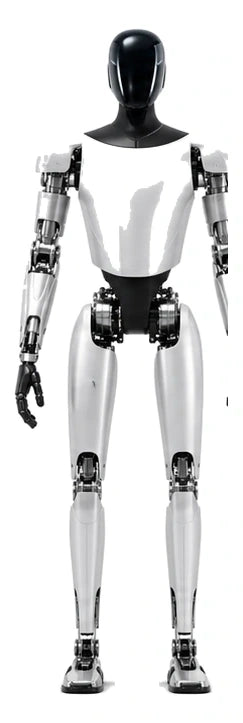
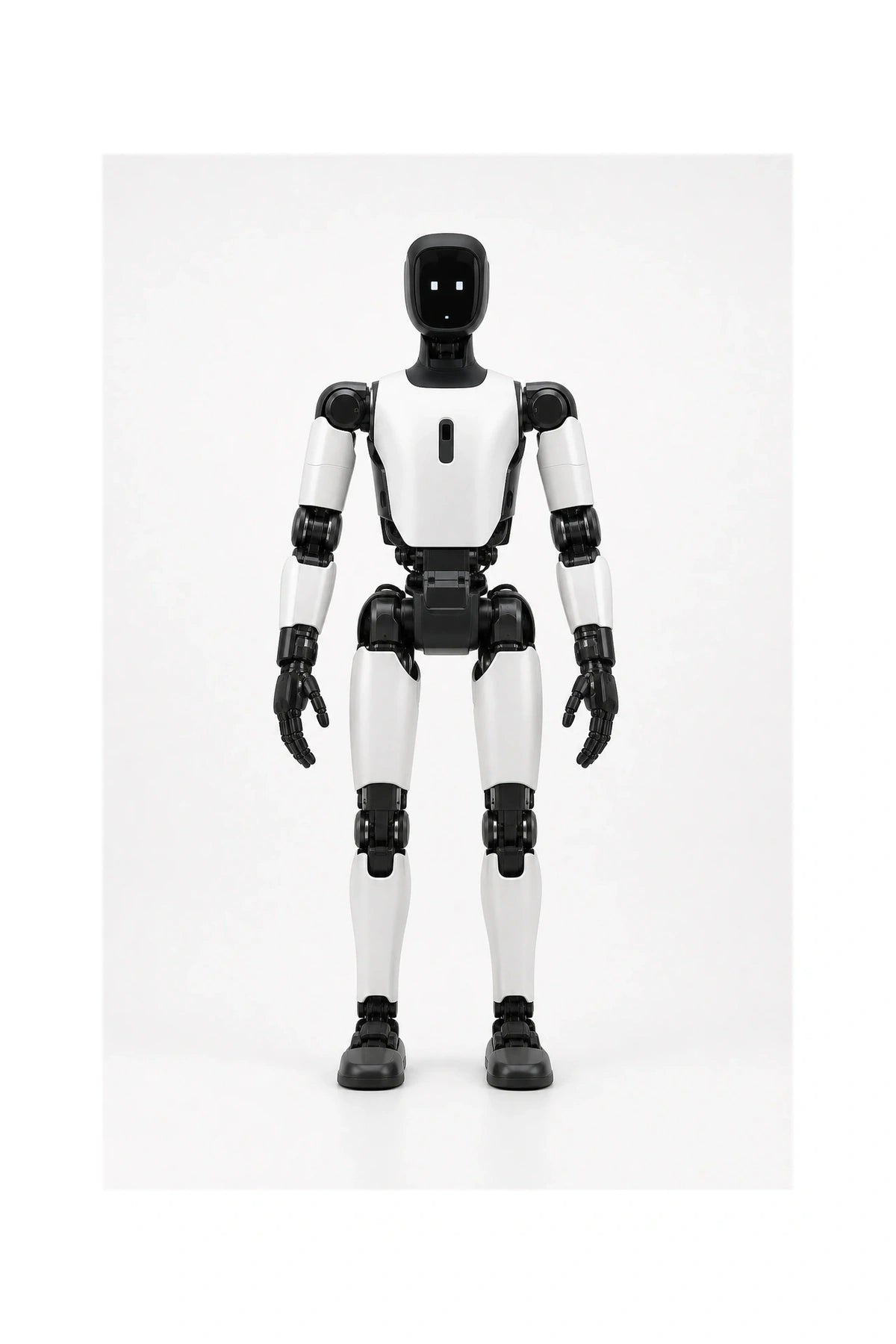
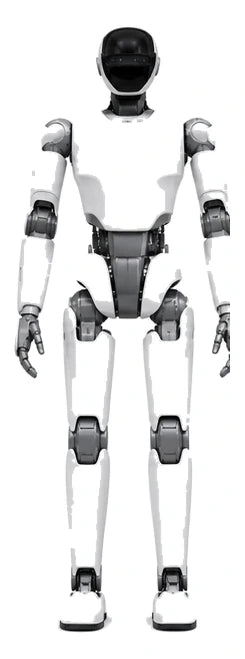
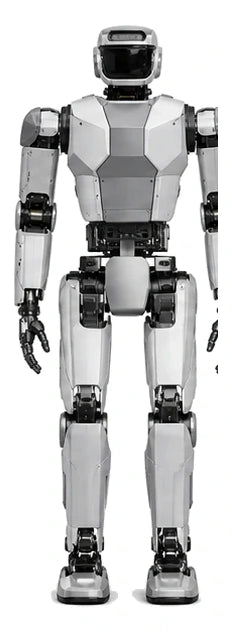
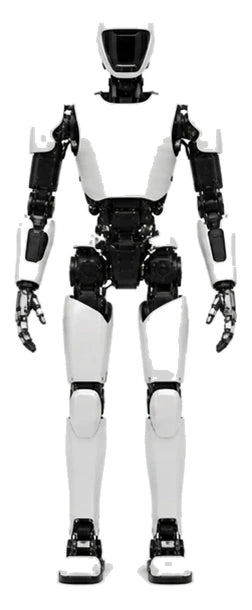
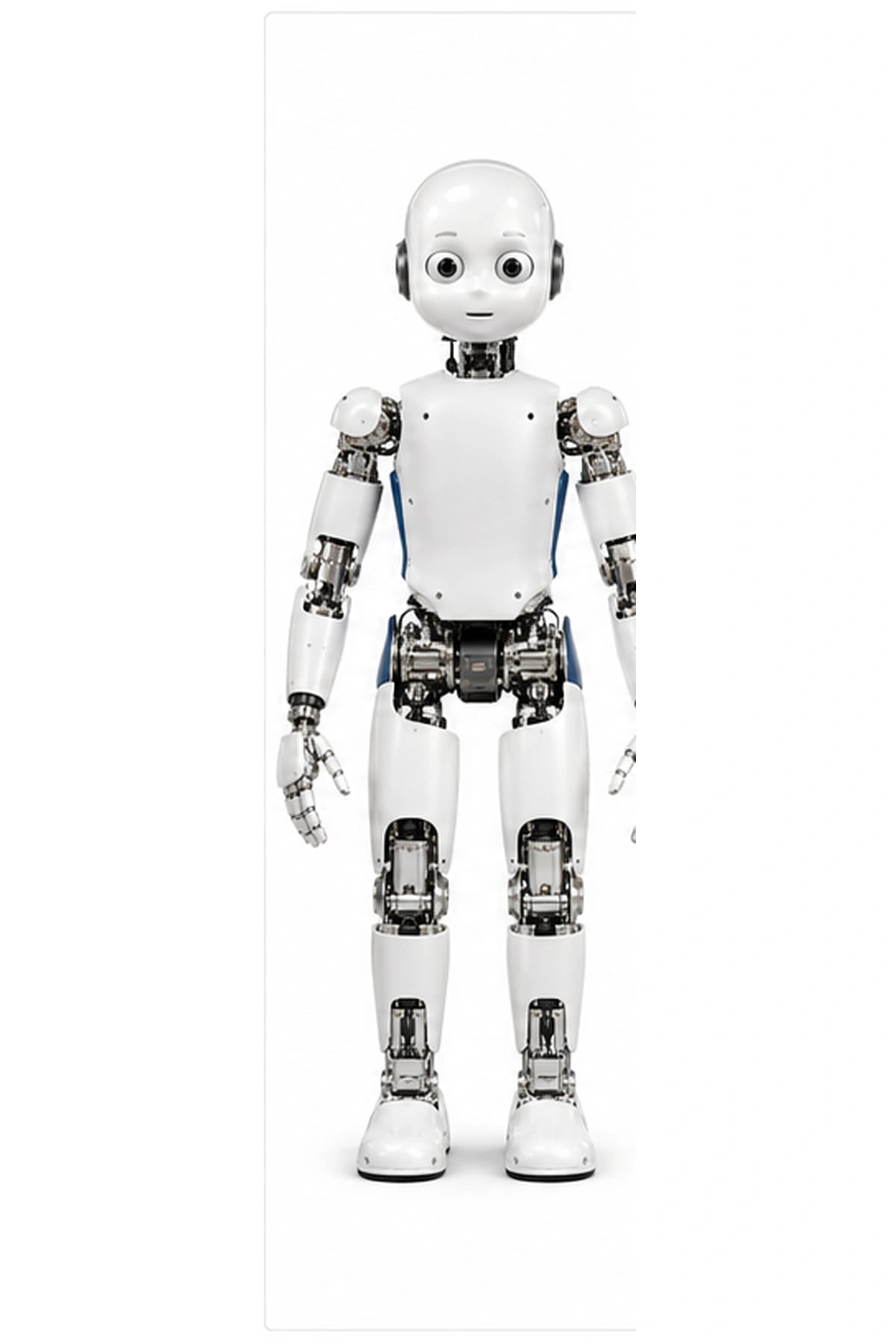
Which Actuators Does Each Robot Use?
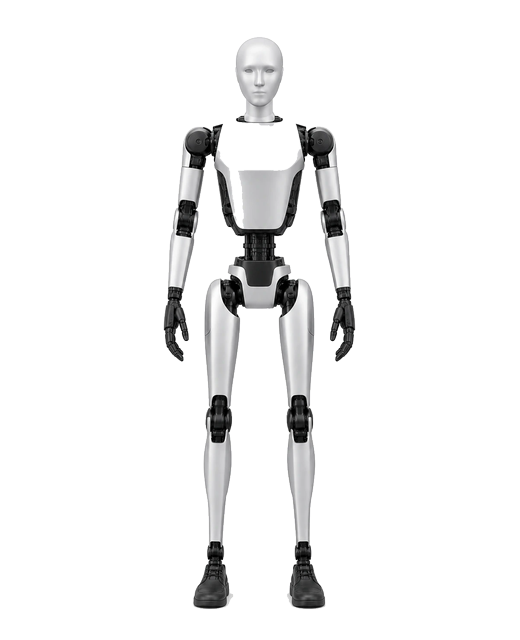
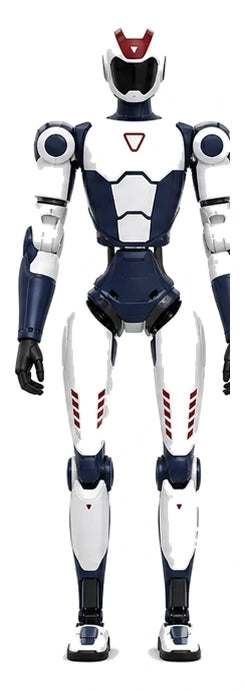
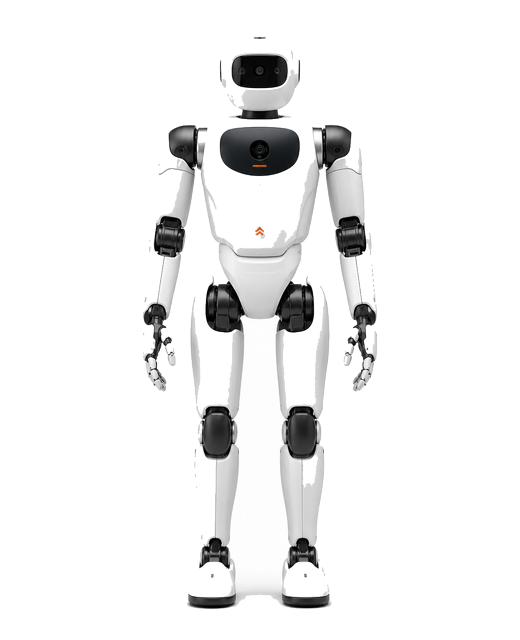
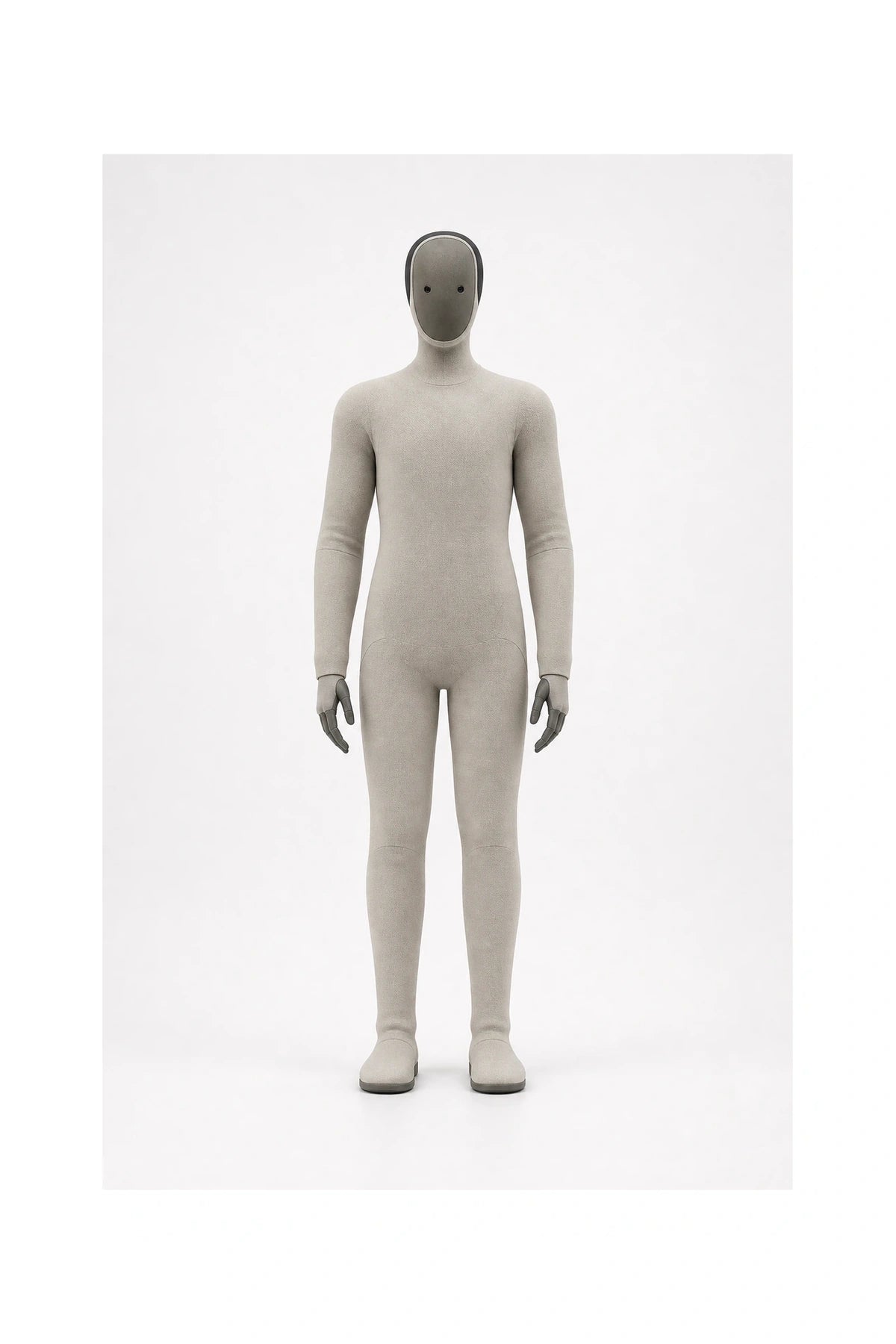
The sections below separate true humanoids from robot arms and quadrupeds. Non-humanoid robots are included because they are important examples of robotic actuation, but they should not be treated as humanoid robot specifications.
Tesla Optimus Actuators
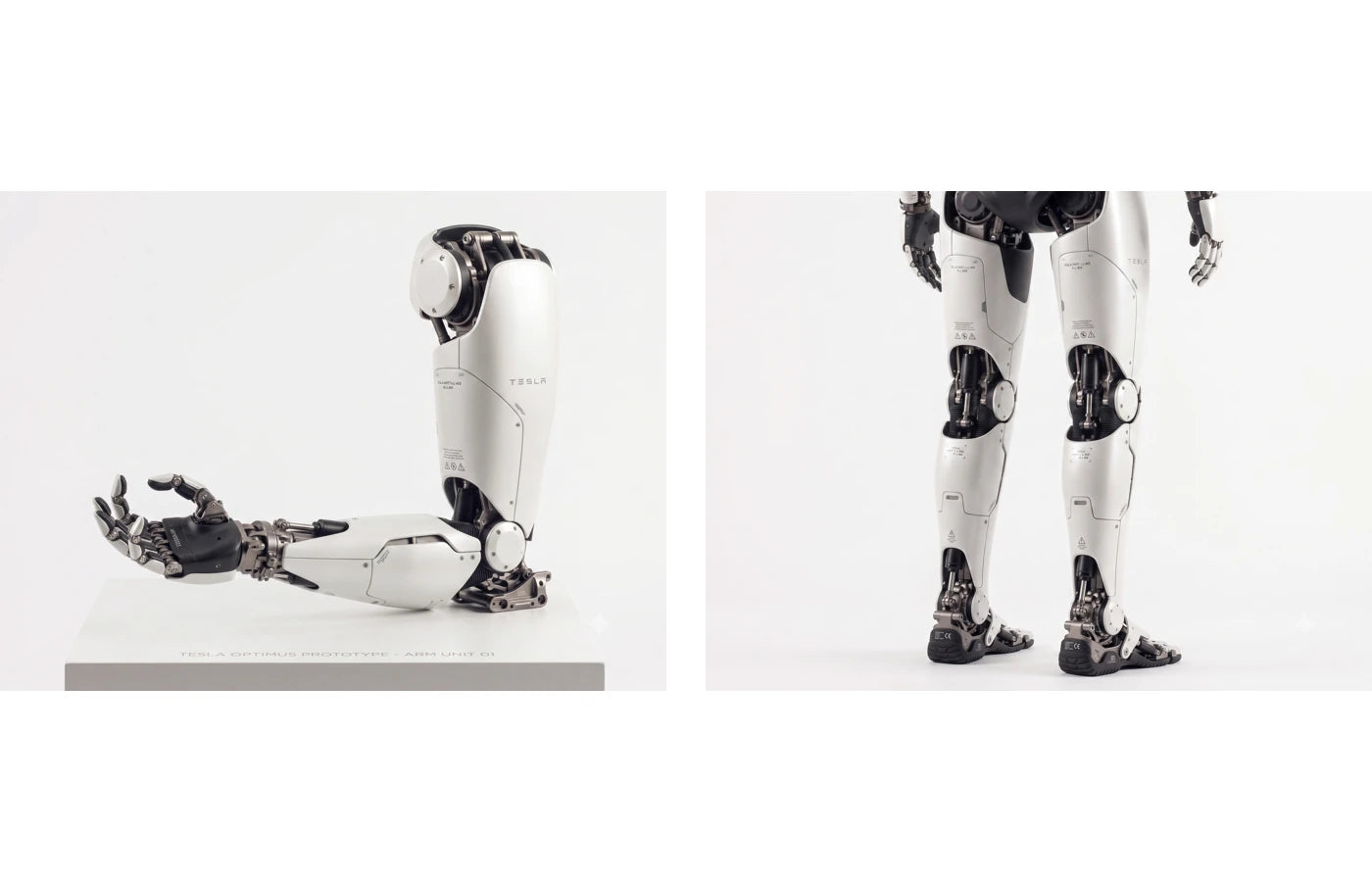
Tesla - Tesla's official AI page describes Optimus as a bipedal autonomous humanoid for unsafe, repetitive or boring tasks. Tesla has shown custom joint work publicly, but a current production actuator specification table is not published.
| Field | Human-readable note |
|---|---|
| Robot type | General-purpose humanoid |
| Actuator type | Custom electric humanoid joint actuators, supplier not publicly disclosed. |
| Known details |
|
| Unknown or not disclosed |
|
| Local KB note | The local robot database does not contain a public actuator supplier or detailed joint module specification for this robot. |
| Confidence | Reported / not fully public |
Sources: Tesla AI
Figure 02 Actuators
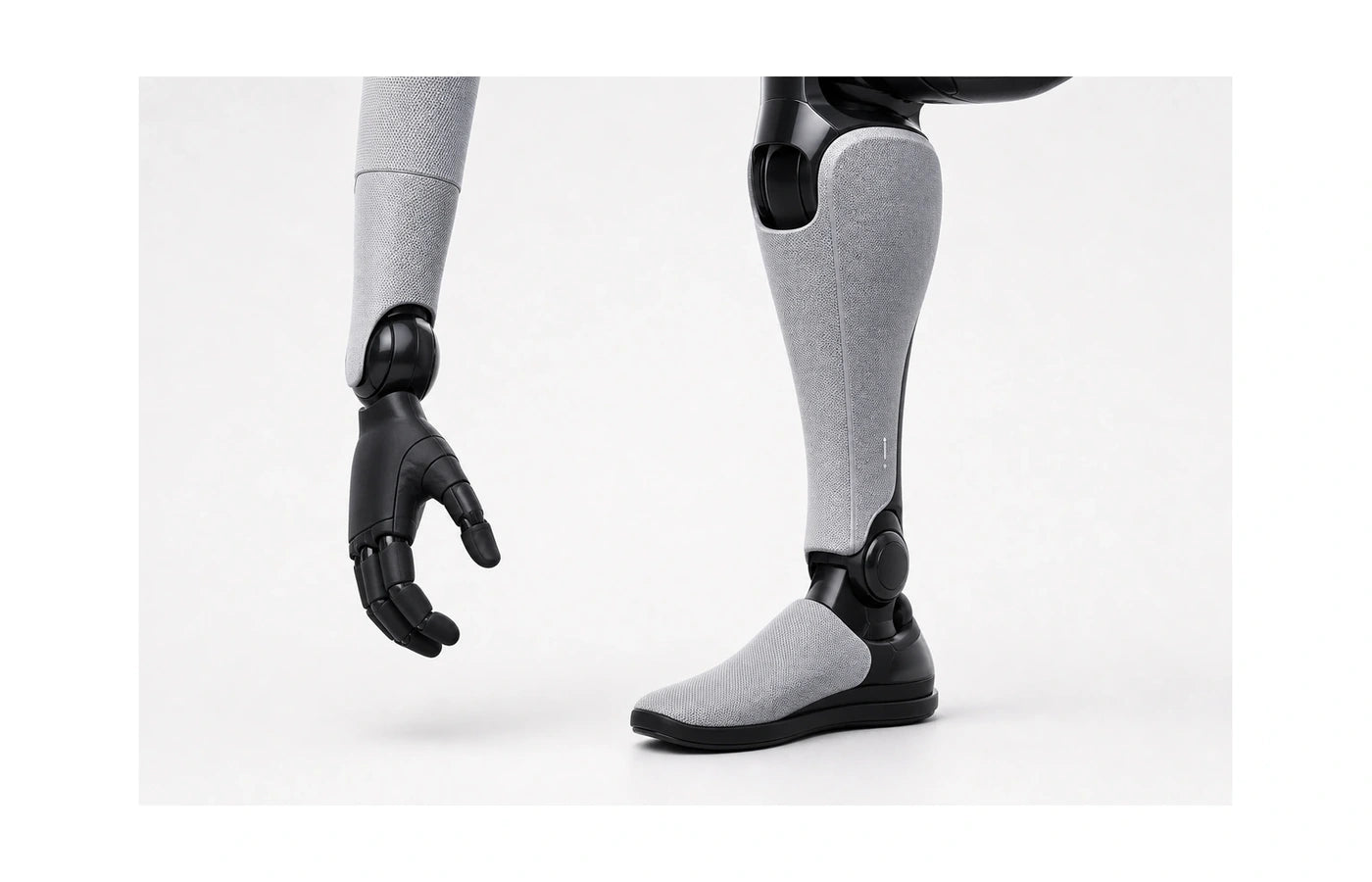
Figure AI - Figure's current public site now focuses on Figure 03 and Helix, while the FIRGELLI Robots KB still tracks Figure 01 and Figure 02 pages. Figure has not published a full actuator supplier table for Figure 02.
| Field | Human-readable note |
|---|---|
| Robot type | General-purpose humanoid |
| Actuator type | Electric humanoid joint actuation, details not publicly disclosed. |
| Known details |
|
| Unknown or not disclosed |
|
| Local KB note | The local robot database does not contain a public actuator supplier or detailed joint module specification for this robot. |
| Confidence | Unknown / not publicly disclosed |
Sources: Figure
Unitree G1 Actuators
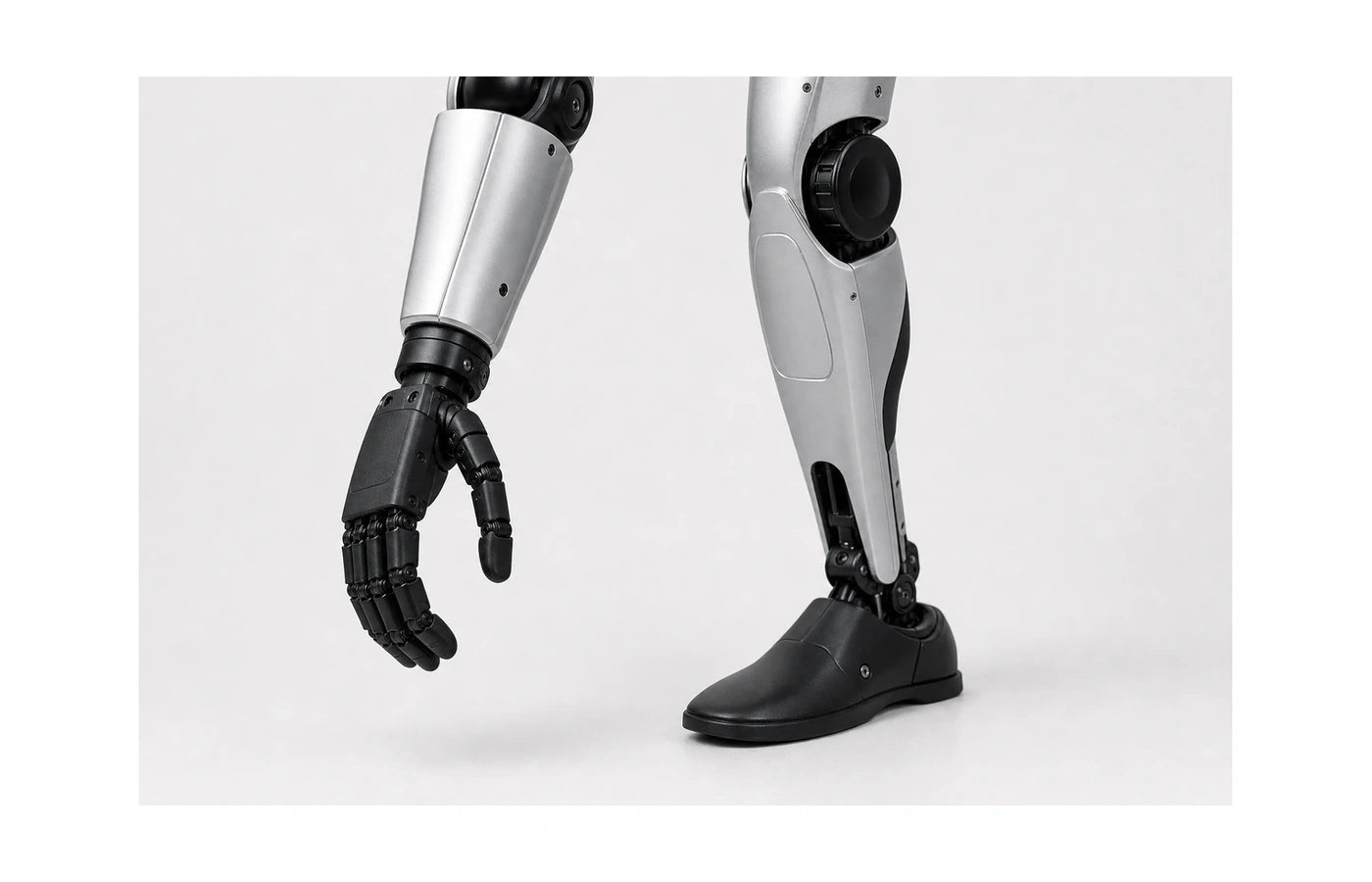
Unitree Robotics - Unitree G1 is one of the clearest public actuator references because the official page lists joint motor type, DOF, torque, encoders, cooling and power information.
| Field | Human-readable note |
|---|---|
| Robot type | Compact humanoid |
| Actuator type | Electric PMSM rotary joint motors. |
| Known details |
|
| Unknown or not disclosed |
|
| Local KB note | The local robot database does not contain a public actuator supplier or detailed joint module specification for this robot. |
| Confidence | Verified official |
Sources: Unitree G1
Unitree H1 Actuators
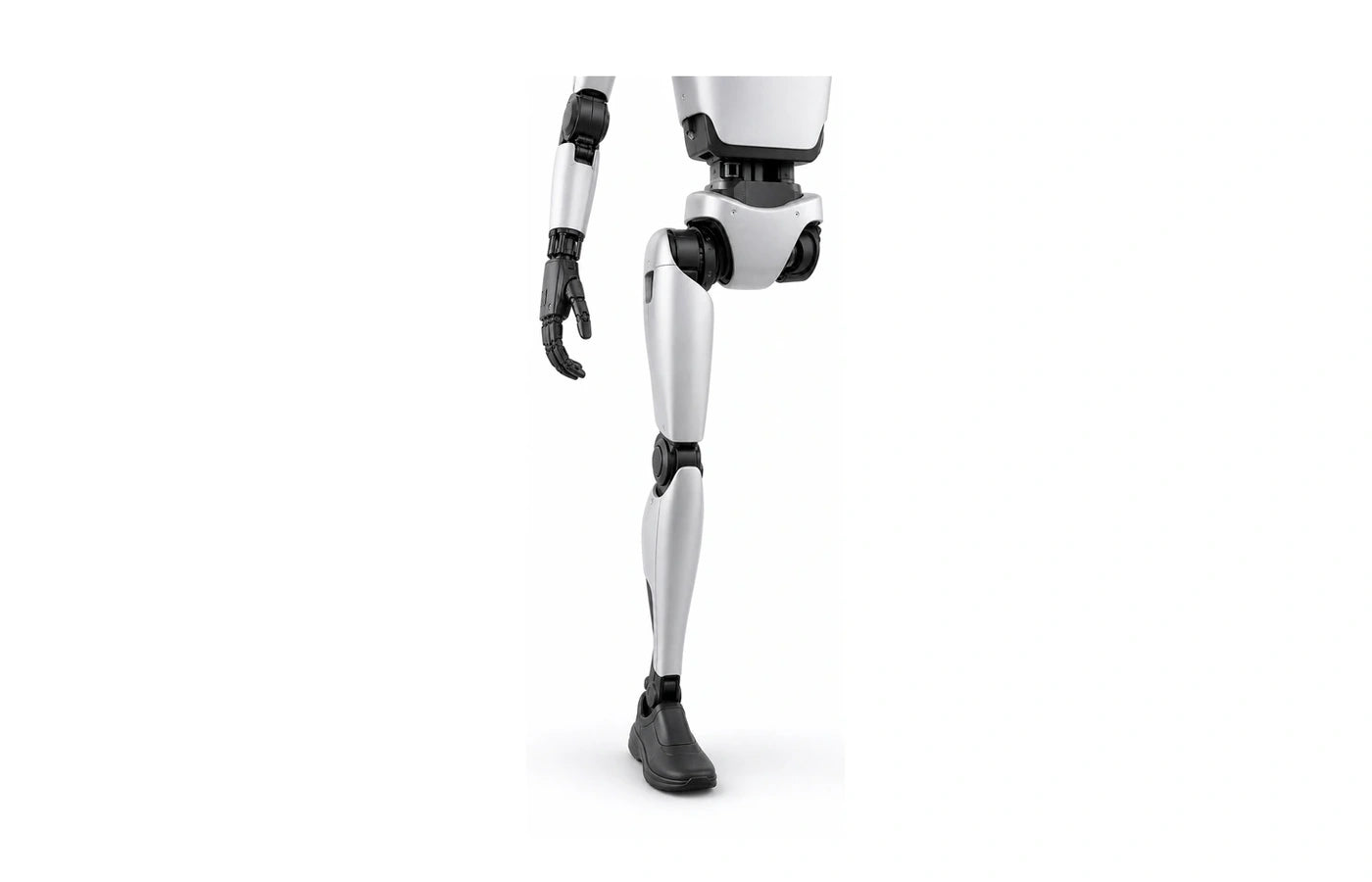
Unitree Robotics - Unitree H1/H1-2 extends the company's in-house electric joint motor approach into a full-size humanoid platform.
| Field | Human-readable note |
|---|---|
| Robot type | Full-size humanoid |
| Actuator type | Electric M107 joint motor / PMSM joint architecture. |
| Known details |
|
| Unknown or not disclosed |
|
| Local KB note | The local robot database does not contain a public actuator supplier or detailed joint module specification for this robot. |
| Confidence | Verified official for published fields |
Sources: Unitree H1
Apptronik Apollo Actuators
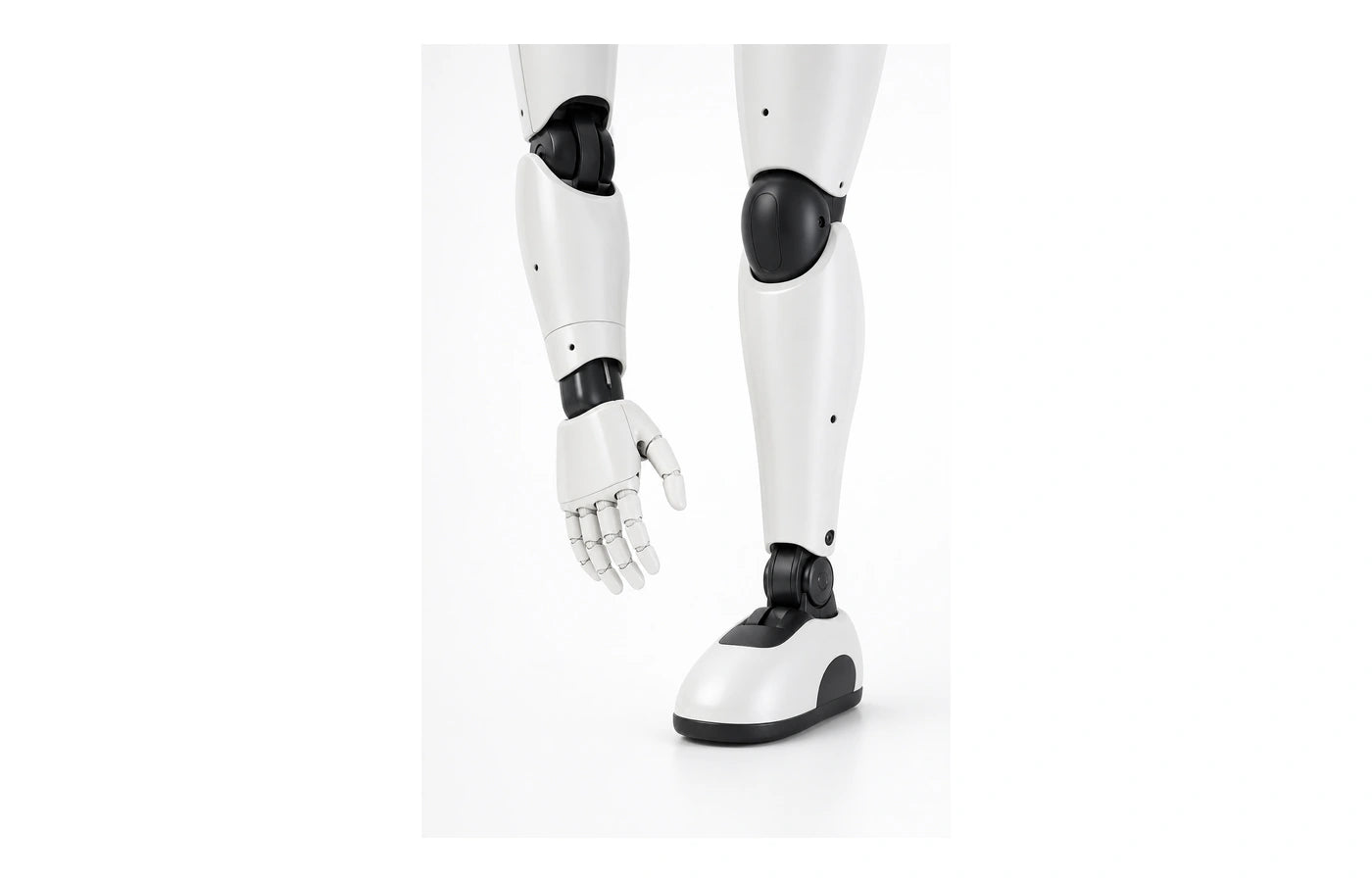
Apptronik - Apollo's public page positions the robot for warehouses and manufacturing, with modular design, hot-swappable batteries, payload and safety details. It does not publish supplier-level actuator internals.
| Field | Human-readable note |
|---|---|
| Robot type | Commercial humanoid |
| Actuator type | Electric humanoid actuation; supplier not publicly disclosed. |
| Known details |
|
| Unknown or not disclosed |
|
| Local KB note | The local robot database does not contain a public actuator supplier or detailed joint module specification for this robot. |
| Confidence | Official robot specs; actuator details undisclosed |
Sources: Apptronik Apollo
NEO Actuators
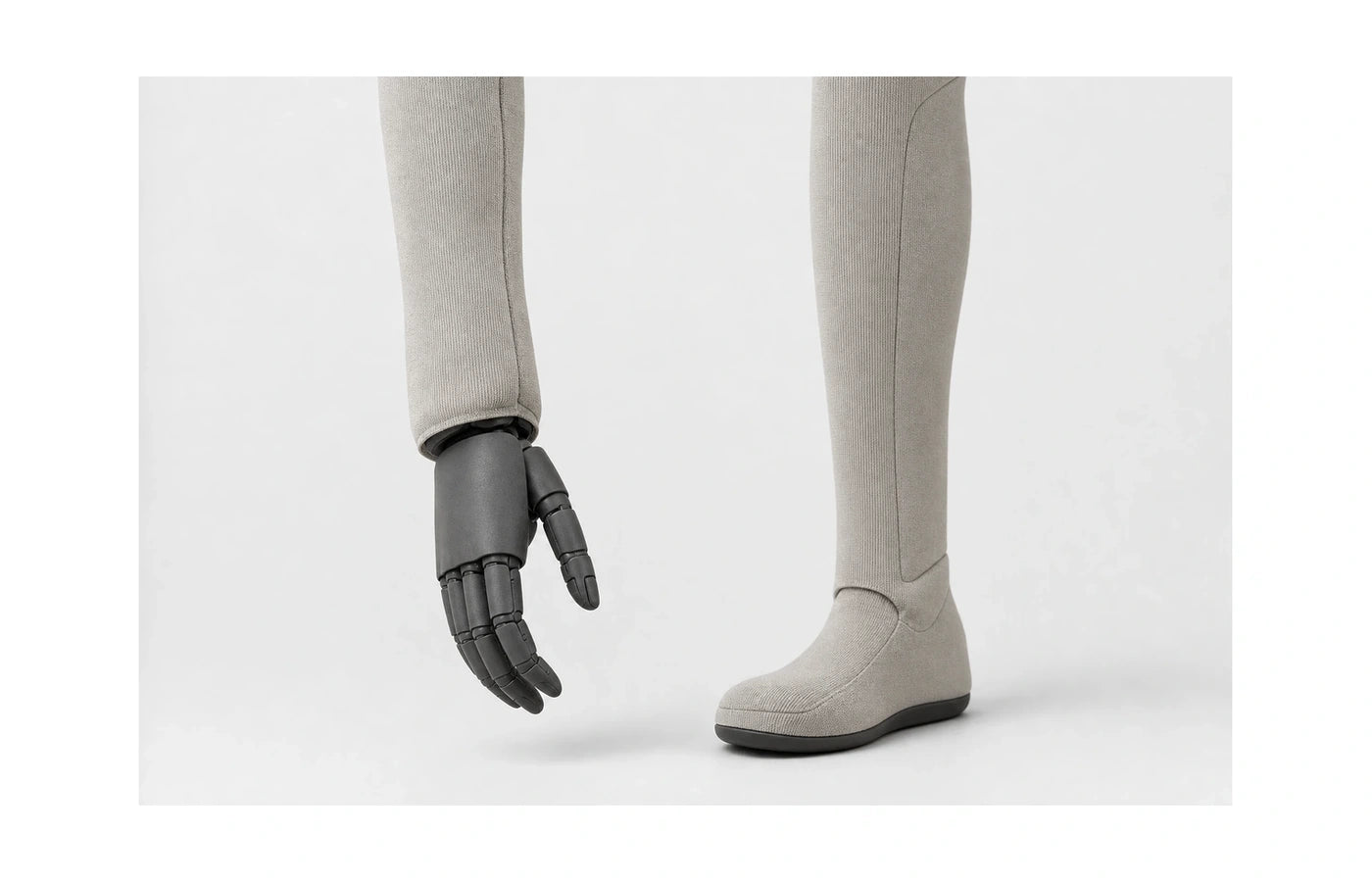
1X Technologies - NEO is important because 1X emphasizes tendon-driven humanlike actuation rather than simply placing heavy motors at every distal joint.
| Field | Human-readable note |
|---|---|
| Robot type | Home humanoid |
| Actuator type | 1X Tendon Drive / electric tendon-driven actuation. |
| Known details |
|
| Unknown or not disclosed |
|
| Local KB note | The local robot database does not contain a public actuator supplier or detailed joint module specification for this robot. |
| Confidence | Strongly supported for tendon drive; detailed specs limited |
Sources: 1X NEO
Digit Actuators
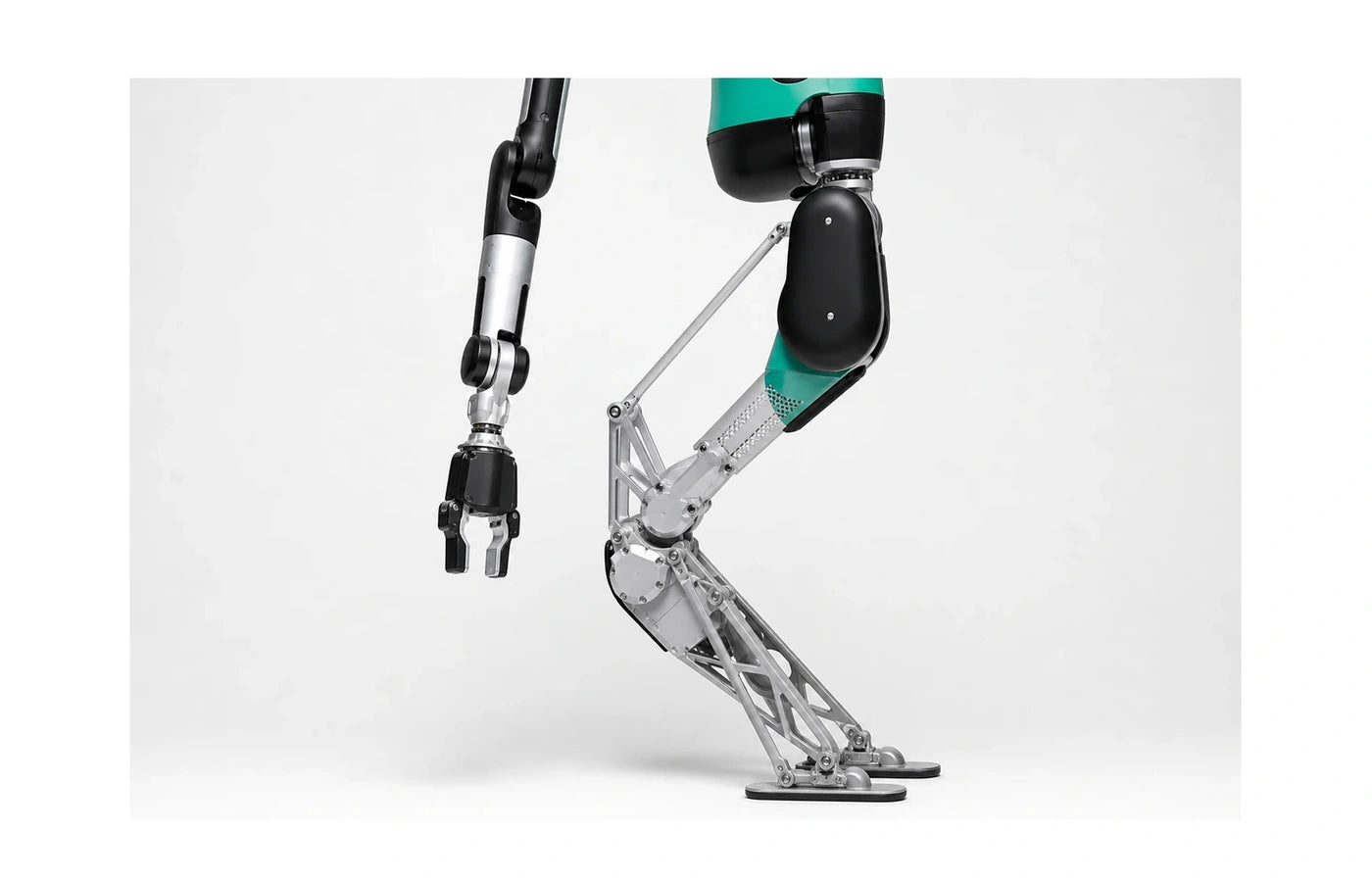
Agility Robotics - Digit is a warehouse and manufacturing humanoid designed to operate in existing facilities. Public information focuses on deployments, payload, runtime and workflow rather than actuator supplier details.
| Field | Human-readable note |
|---|---|
| Robot type | Commercial humanoid |
| Actuator type | Electric bipedal humanoid actuation; supplier not publicly disclosed. |
| Known details |
|
| Unknown or not disclosed |
|
| Local KB note | The local robot database does not contain a public actuator supplier or detailed joint module specification for this robot. |
| Confidence | Official product data; actuator details not public |
Sources: Agility Robotics Digit
Atlas Actuators
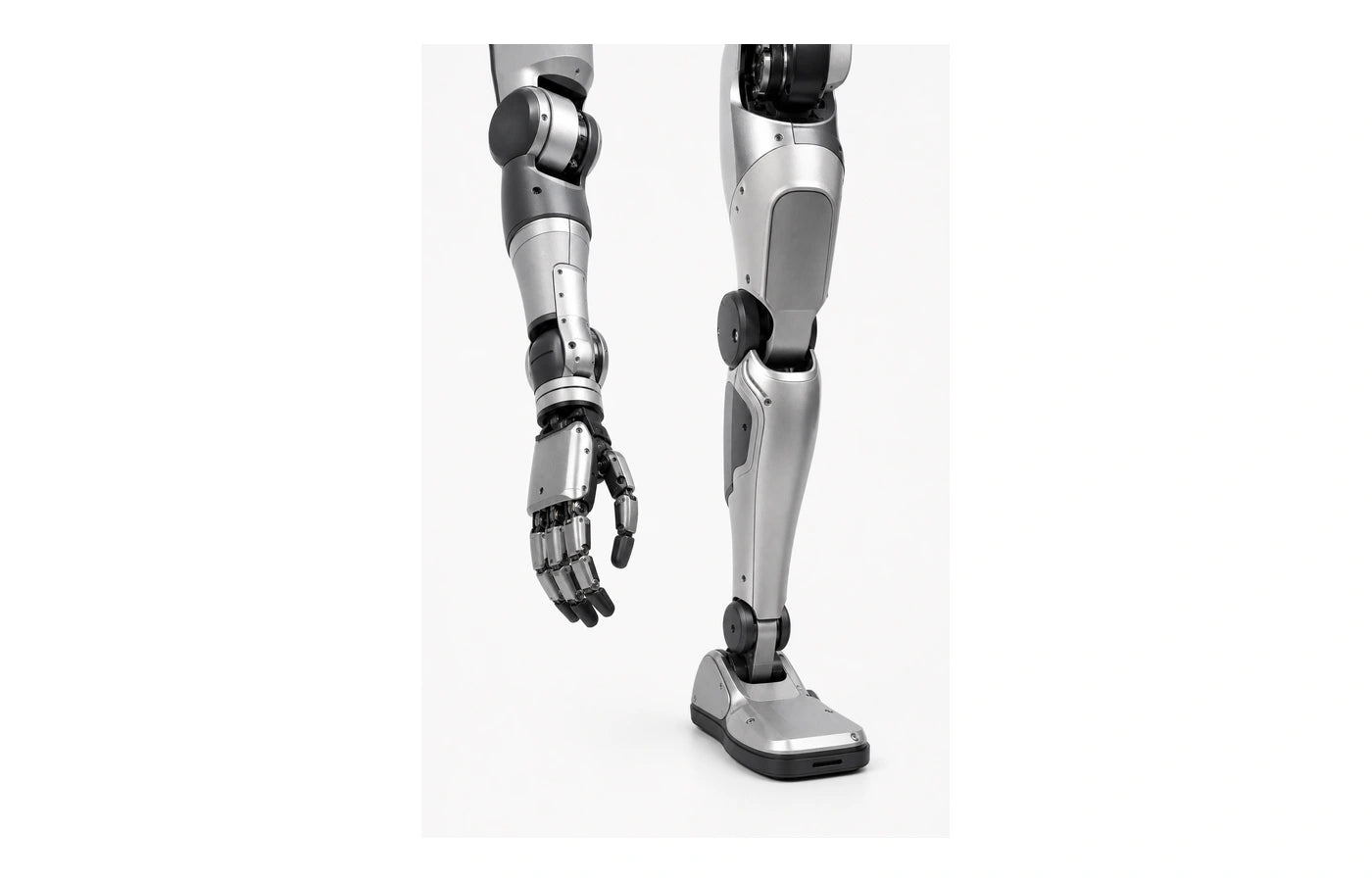
Boston Dynamics - Atlas is the easiest example of the industry shift from hydraulic humanoids to electric commercial humanoids. Boston Dynamics states the new commercial Atlas path starts with an all-electric Atlas.
| Field | Human-readable note |
|---|---|
| Robot type | Humanoid |
| Actuator type | All-electric humanoid actuation in the new Atlas; older Atlas generations used hydraulic systems. |
| Known details |
|
| Unknown or not disclosed |
|
| Local KB note | The local robot database does not contain a public actuator supplier or detailed joint module specification for this robot. |
| Confidence | Verified official for electric Atlas |
Sources: Boston Dynamics Atlas
PUDU D9 Actuators
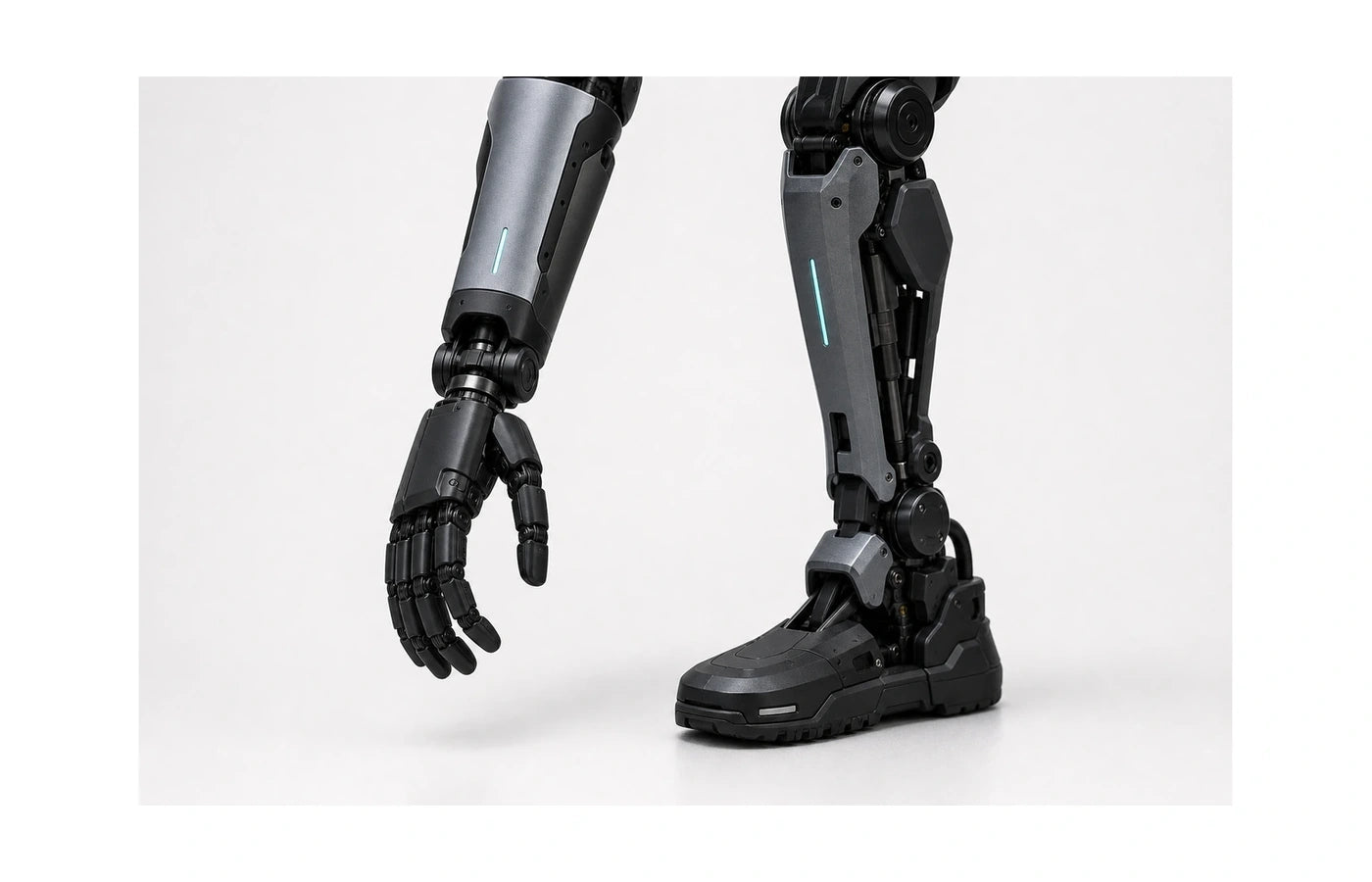
Pudu Robotics - PUDU D9 publishes more actuator-adjacent data than many new humanoids, including DOF, maximum joint torque and dexterous hand details.
| Field | Human-readable note |
|---|---|
| Robot type | Full-size biped humanoid |
| Actuator type | Electric bipedal humanoid joints plus PUDU DH11 hand actuation. |
| Known details |
|
| Unknown or not disclosed |
|
| Local KB note | The local robot database does not contain a public actuator supplier or detailed joint module specification for this robot. |
| Confidence | Verified official |
Sources: PUDU D9
Franka Research 3 Actuators
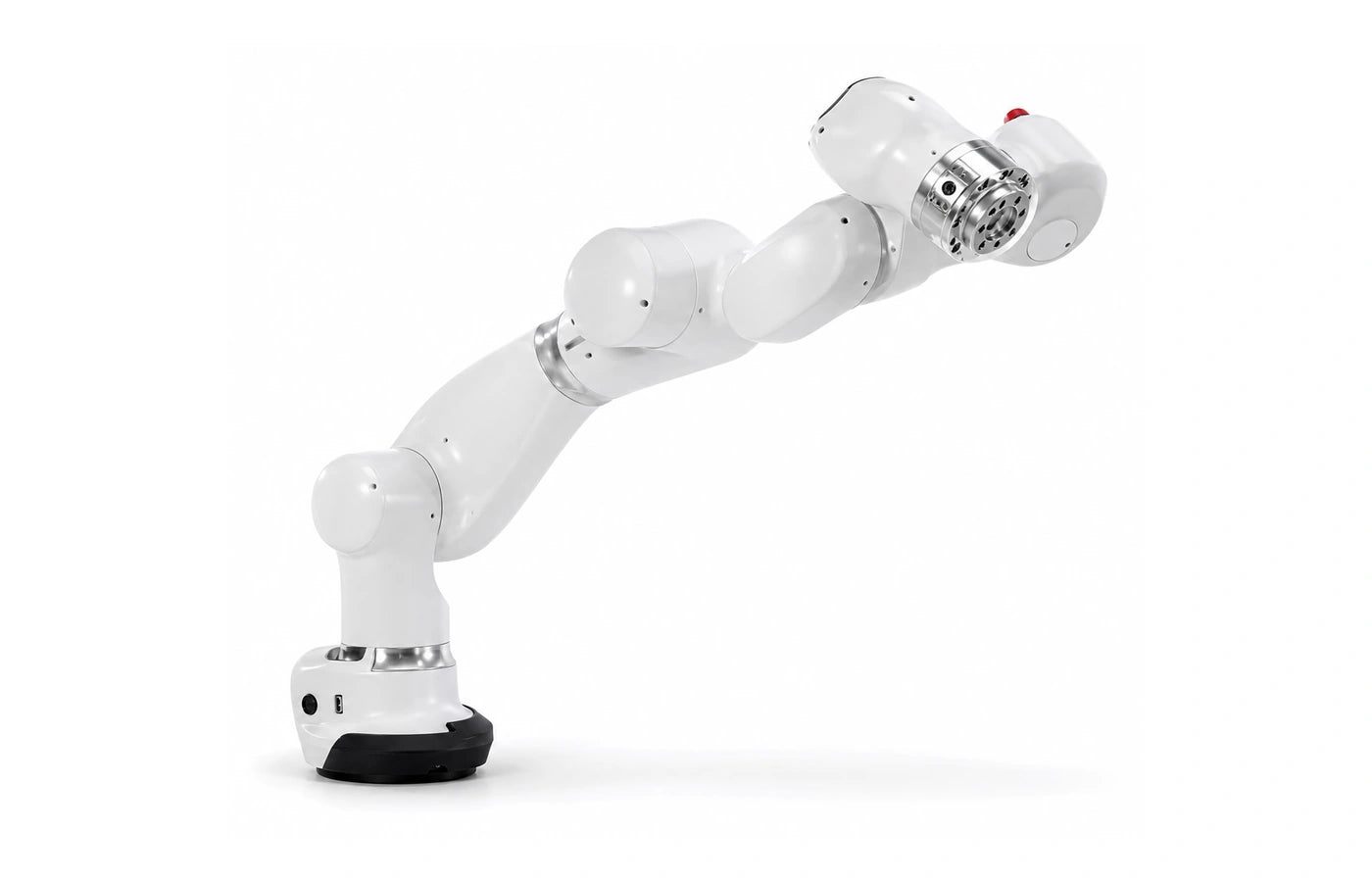
Franka Robotics - Franka Research 3 is not a humanoid, but it is a benchmark for force-sensitive arm actuation and torque-controlled research.
| Field | Human-readable note |
|---|---|
| Robot type | Research robot arm |
| Actuator type | Seven integrated electric joints with torque sensors. |
| Known details |
|
| Unknown or not disclosed |
|
| Local KB note | The local robot database does not contain a public actuator supplier or detailed joint module specification for this robot. |
| Confidence | Verified official |
Sources: Franka Research 3
ROBOTIS OP3 Actuators
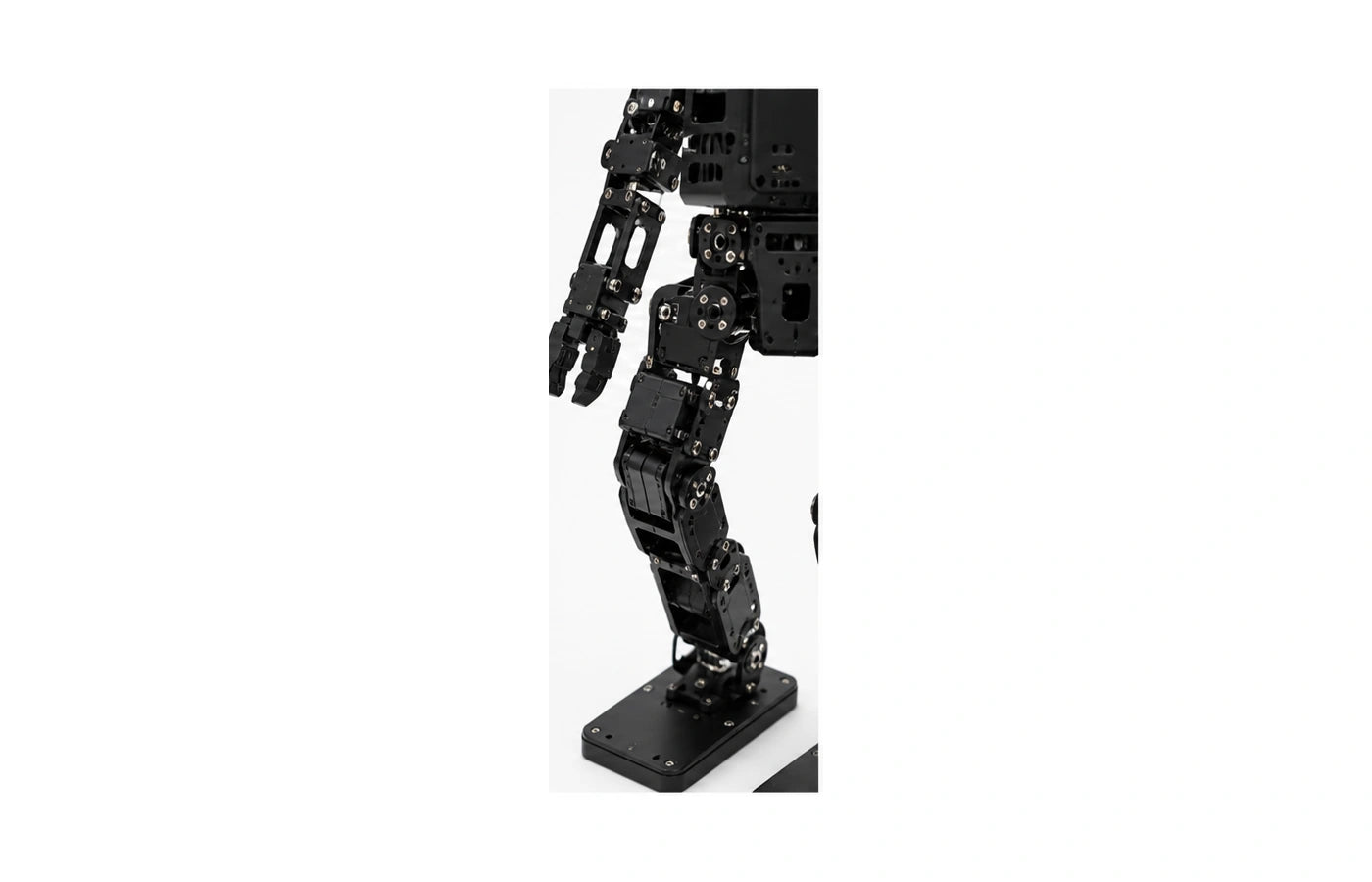
ROBOTIS - ROBOTIS OP3 is one of the cleanest examples of an off-the-shelf smart servo humanoid.
| Field | Human-readable note |
|---|---|
| Robot type | Small humanoid |
| Actuator type | ROBOTIS DYNAMIXEL XM430-W350-R smart actuators. |
| Known details |
|
| Unknown or not disclosed |
|
| Local KB note | The local robot database does not contain a public actuator supplier or detailed joint module specification for this robot. |
| Confidence | Verified official |
Sources: ROBOTIS OP3 e-manual
TALOS Actuators

PAL Robotics - TALOS is a torque-controlled humanoid research platform, useful for understanding why torque sensing and force control matter.
| Field | Human-readable note |
|---|---|
| Robot type | Research humanoid |
| Actuator type | Electric torque-controlled humanoid joints with torque sensor feedback. |
| Known details |
|
| Unknown or not disclosed |
|
| Local KB note | The local robot database does not contain a public actuator supplier or detailed joint module specification for this robot. |
| Confidence | Verified official for torque sensing |
Sources: PAL Robotics TALOS
REEM-C Actuators

PAL Robotics - REEM-C shows a research humanoid where mobility, ROS and broad DOF matter more publicly than supplier-level actuator disclosure.
| Field | Human-readable note |
|---|---|
| Robot type | Research humanoid |
| Actuator type | Electric biped humanoid actuation with ankle and wrist torque sensing. |
| Known details |
|
| Unknown or not disclosed |
|
| Local KB note | The local robot database does not contain a public actuator supplier or detailed joint module specification for this robot. |
| Confidence | Verified official for published fields |
Sources: PAL Robotics REEM-C
LBR iiwa Actuators

KUKA - KUKA LBR iiwa is not humanoid, but it is a major reference for electric torque-sensing collaborative actuation.
| Field | Human-readable note |
|---|---|
| Robot type | Collaborative robot arm |
| Actuator type | Seven-axis electric servo arm with joint torque sensors. |
| Known details |
|
| Unknown or not disclosed |
|
| Local KB note | The local robot database does not contain a public actuator supplier or detailed joint module specification for this robot. |
| Confidence | Verified official |
Sources: KUKA LBR iiwa
ANYmal Actuators
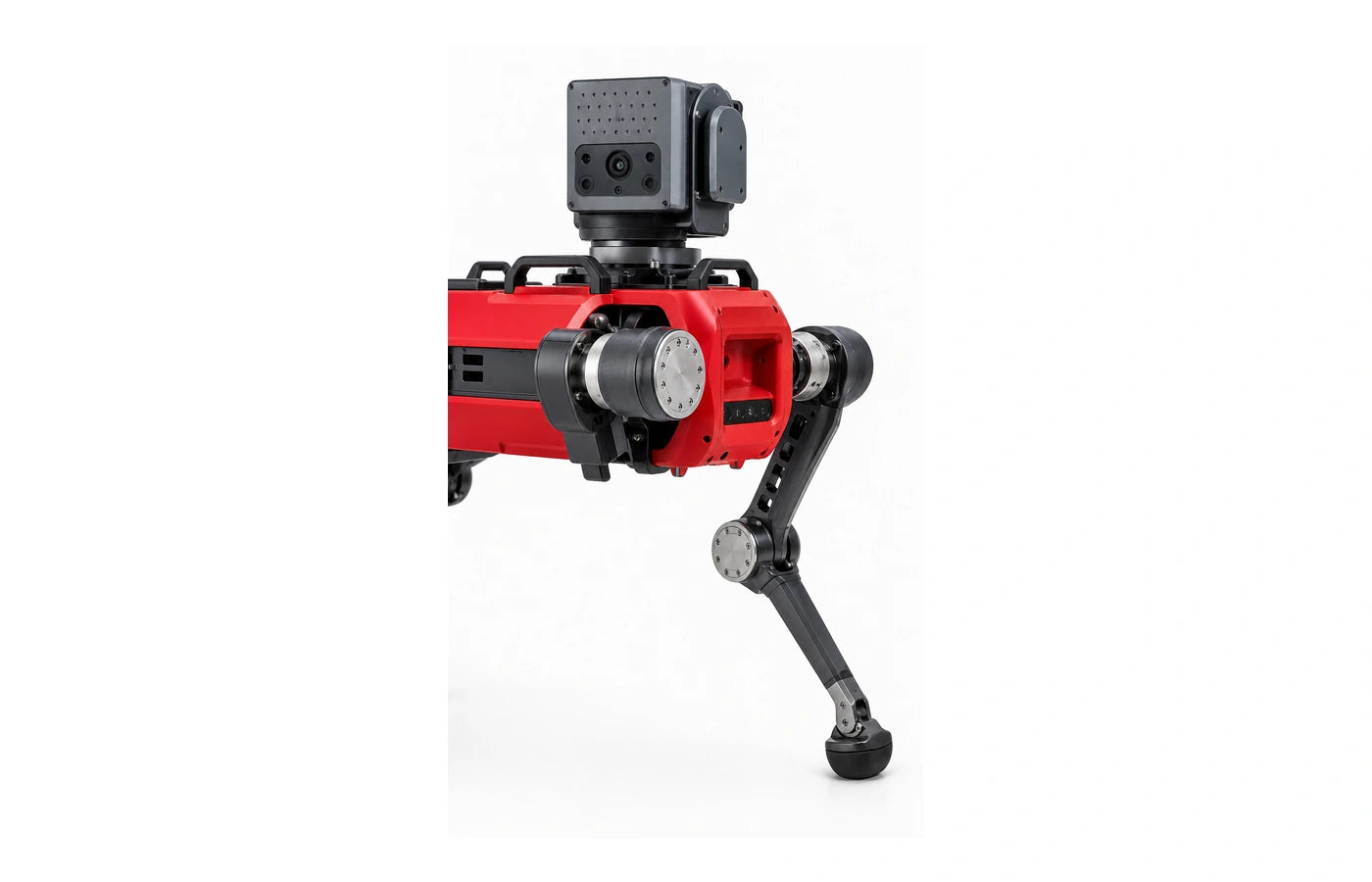
ANYbotics - ANYmal is included as a non-humanoid legged robot benchmark because quadrupeds solve many of the same actuator problems as humanoid legs: torque density, shock tolerance, sealing and field reliability.
| Field | Human-readable note |
|---|---|
| Robot type | Quadruped |
| Actuator type | Electric legged-robot actuation; detailed module data not publicly disclosed on the product page. |
| Known details |
|
| Unknown or not disclosed |
|
| Local KB note | The local robot database does not contain a public actuator supplier or detailed joint module specification for this robot. |
| Confidence | Official product; actuator details limited |
Sources: ANYbotics ANYmal
Additional Robots Tracked In The Database
The following robots are relevant to actuator research and comparison, but public supplier-level actuator data is limited. They are included so readers can keep exploring the site without mistaking missing data for hidden confirmation.
- Unitree H2: tracked in the FIRGELLI Robots database; actuator supplier or torque details should be treated as not publicly disclosed unless the manufacturer page or a technical paper states otherwise.
- Unitree R1: tracked in the FIRGELLI Robots database; actuator supplier or torque details should be treated as not publicly disclosed unless the manufacturer page or a technical paper states otherwise.
- EVE: tracked in the FIRGELLI Robots database; actuator supplier or torque details should be treated as not publicly disclosed unless the manufacturer page or a technical paper states otherwise.
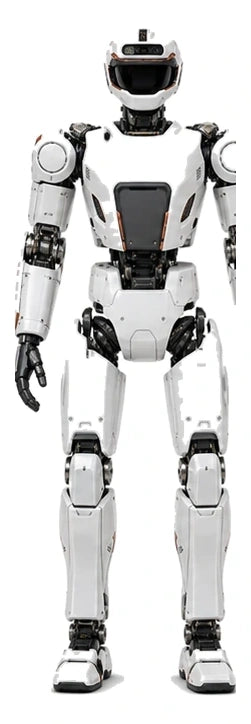
- Phoenix: tracked in the FIRGELLI Robots database; actuator supplier or torque details should be treated as not publicly disclosed unless the manufacturer page or a technical paper states otherwise.
- Walker S: tracked in the FIRGELLI Robots database; actuator supplier or torque details should be treated as not publicly disclosed unless the manufacturer page or a technical paper states otherwise.
- Walker X: tracked in the FIRGELLI Robots database; actuator supplier or torque details should be treated as not publicly disclosed unless the manufacturer page or a technical paper states otherwise.
- GR-1: tracked in the FIRGELLI Robots database; actuator supplier or torque details should be treated as not publicly disclosed unless the manufacturer page or a technical paper states otherwise.
- GR-2: tracked in the FIRGELLI Robots database; actuator supplier or torque details should be treated as not publicly disclosed unless the manufacturer page or a technical paper states otherwise.
- Agibot A2: tracked in the FIRGELLI Robots database; actuator supplier or torque details should be treated as not publicly disclosed unless the manufacturer page or a technical paper states otherwise.
- Astribot S1: tracked in the FIRGELLI Robots database; actuator supplier or torque details should be treated as not publicly disclosed unless the manufacturer page or a technical paper states otherwise.
- Pudu D7: tracked in the FIRGELLI Robots database; actuator supplier or torque details should be treated as not publicly disclosed unless the manufacturer page or a technical paper states otherwise.
- CyberOne: tracked in the FIRGELLI Robots database; actuator supplier or torque details should be treated as not publicly disclosed unless the manufacturer page or a technical paper states otherwise.
- PX5: tracked in the FIRGELLI Robots database; actuator supplier or torque details should be treated as not publicly disclosed unless the manufacturer page or a technical paper states otherwise.
- Iron: tracked in the FIRGELLI Robots database; actuator supplier or torque details should be treated as not publicly disclosed unless the manufacturer page or a technical paper states otherwise.
- PM01: tracked in the FIRGELLI Robots database; actuator supplier or torque details should be treated as not publicly disclosed unless the manufacturer page or a technical paper states otherwise.
- Kepler Forerunner: tracked in the FIRGELLI Robots database; actuator supplier or torque details should be treated as not publicly disclosed unless the manufacturer page or a technical paper states otherwise.
- Menteebot: tracked in the FIRGELLI Robots database; actuator supplier or torque details should be treated as not publicly disclosed unless the manufacturer page or a technical paper states otherwise.
- Ameca: tracked in the FIRGELLI Robots database; actuator supplier or torque details should be treated as not publicly disclosed unless the manufacturer page or a technical paper states otherwise.
- Pepper: tracked in the FIRGELLI Robots database; actuator supplier or torque details should be treated as not publicly disclosed unless the manufacturer page or a technical paper states otherwise.
- NAO: tracked in the FIRGELLI Robots database; actuator supplier or torque details should be treated as not publicly disclosed unless the manufacturer page or a technical paper states otherwise.
- ASIMO: tracked in the FIRGELLI Robots database; actuator supplier or torque details should be treated as not publicly disclosed unless the manufacturer page or a technical paper states otherwise.
- Valkyrie: tracked in the FIRGELLI Robots database; actuator supplier or torque details should be treated as not publicly disclosed unless the manufacturer page or a technical paper states otherwise.
- HRP-4: tracked in the FIRGELLI Robots database; actuator supplier or torque details should be treated as not publicly disclosed unless the manufacturer page or a technical paper states otherwise.
- HRP-5P: tracked in the FIRGELLI Robots database; actuator supplier or torque details should be treated as not publicly disclosed unless the manufacturer page or a technical paper states otherwise.
- T-HR3: tracked in the FIRGELLI Robots database; actuator supplier or torque details should be treated as not publicly disclosed unless the manufacturer page or a technical paper states otherwise.
- iCub: tracked in the FIRGELLI Robots database; actuator supplier or torque details should be treated as not publicly disclosed unless the manufacturer page or a technical paper states otherwise.
- ARMAR-6: tracked in the FIRGELLI Robots database; actuator supplier or torque details should be treated as not publicly disclosed unless the manufacturer page or a technical paper states otherwise.
- Poppy Humanoid: tracked in the FIRGELLI Robots database; actuator supplier or torque details should be treated as not publicly disclosed unless the manufacturer page or a technical paper states otherwise.
- YuMi: tracked in the FIRGELLI Robots database; actuator supplier or torque details should be treated as not publicly disclosed unless the manufacturer page or a technical paper states otherwise.
- Spot: tracked in the FIRGELLI Robots database; actuator supplier or torque details should be treated as not publicly disclosed unless the manufacturer page or a technical paper states otherwise.
Actuator Manufacturers and Suppliers
The robotics actuator supply chain includes both public component vendors and in-house custom designs. A supplier should only be attached to a specific robot when a direct source supports it.
| Supplier / category | Where it matters | Use caution |
|---|---|---|
| Harmonic Drive | Precision strain-wave gear reducers in compact robot joints. | Do not assume use in a robot unless sourced. |
| Maxon | High-quality motors and drives for robotics and medical devices. | Many robots use Maxon-like motor classes, but supplier identity must be sourced. |
| Kollmorgen / Moog / Nidec / Panasonic / Siemens | Industrial motion-control and motor ecosystems. | Often plausible, rarely public for humanoid programs. |
| T-Motor / Unitree | High power-density motors and integrated robot joints. | Unitree is directly relevant to Unitree robots; other attributions need sources. |
| ROBOTIS / DYNAMIXEL | Smart servo modules for education and research humanoids. | Clearly verified for ROBOTIS OP3 and Poppy-style small humanoids when listed. |
| Nabtesco / cycloidal suppliers | Industrial reducers and heavy robot joints. | Specific robot use must be sourced. |
| ABB / KUKA / Yaskawa | Industrial robot manufacturers with in-house robot platforms. | Their robots use sophisticated servo systems, but internal suppliers may not be disclosed. |
| In-house custom actuators | Common in serious humanoid programs that need custom torque density and packaging. | In-house does not mean every subcomponent is internally manufactured. |
Verified vs Reported vs Unknown Actuator Data
Actuator data is often hard to find because companies keep joint designs proprietary, demo robots change between generations, actuator specs vary by joint, patents may describe possible designs rather than production hardware and suppliers are not always publicly disclosed. This article uses these confidence labels:
| Label | Meaning |
|---|---|
| Verified / official | The manufacturer or official documentation states the data. |
| Strongly supported | Official context or multiple reputable sources support the claim, but not every field is published. |
| Reported | A credible third party reports it, but the manufacturer has not fully confirmed it. |
| Estimated | Derived from visible hardware, DOF or related public specs. Not a hard specification. |
| Unknown / not publicly disclosed | No reliable source was found. The article intentionally does not invent data. |
Internal Links For Robot Research
Continue comparing the actuator tradeoffs on these FIRGELLI Robots pages: Tesla Optimus, Figure 02, Unitree G1, Apptronik Apollo, 1X NEO, Sanctuary AI Phoenix, Agility Digit, Boston Dynamics Atlas, Humanoid Robots category, Robot Compare and Robot Finder.
FAQs
What actuators do humanoid robots use?
Most modern humanoids use electric rotary joint actuators. A high-performance joint usually combines a brushless motor or PMSM, gear reduction, bearings, encoders, torque or force sensing, brakes where needed and motor-control electronics.
What actuators does Tesla Optimus use?
Tesla has shown and discussed custom humanoid actuator development in public demos, but Tesla's current public AI page does not publish a stable production actuator table with supplier, torque, voltage or gear-ratio data. Treat detailed claims as reported unless tied to a direct Tesla source.
What actuators does Figure 02 use?
Figure 02 appears to use electric humanoid joint modules, but Figure has not publicly released a supplier-level actuator specification table. The safe answer is electric humanoid actuation with detailed supplier, torque and gear data not publicly disclosed.
What actuators does Unitree G1 use?
Unitree publishes that G1 uses low-inertia high-speed internal-rotor PMSM joint motors, crossed-roller bearings, dual encoders, local air cooling and 23 to 43 joint motors depending configuration. Unitree lists knee torque as 90 N.m on G1 and 120 N.m on G1 EDU.
What actuators does 1X NEO use?
1X describes NEO around its tendon-drive approach. In plain English, motors pull routed tendons so force can be transmitted through lighter distal structures, especially useful for human-like arms and hands.
What actuators does Apptronik Apollo use?
Apollo is an electric humanoid robot, but the public product page focuses on modular design, payload, runtime, safety and deployment rather than supplier-level actuator specifications.
Are humanoid robot actuators electric or hydraulic?
The current commercial trend is electric. Earlier high-performance humanoids such as older Atlas generations are associated with hydraulic power, but newer commercial designs favor electric actuation for battery operation, indoor safety and maintenance.
Why do humanoid robots use harmonic drives?
Harmonic drives can provide high gear reduction in a compact joint package. They are useful when a robot needs precision and torque in a small space, though cost, efficiency and compliance tradeoffs matter.
What is a quasi-direct-drive actuator?
A quasi-direct-drive actuator uses a relatively low gear ratio compared with traditional servo gearboxes. It keeps more backdrivability and impact tolerance while still multiplying motor torque enough for legged motion.
How many actuators does a humanoid robot have?
It depends on the robot. Small humanoids may have around 20 actuators; modern full-size humanoids often have 30 to 50-plus controlled joints, and highly dexterous hands can add many more.
What is the difference between DOF and actuator count?
Degrees of freedom describe independent motion axes. Actuator count describes the powered devices. They often match, but tendon systems, passive joints, coupled fingers and differential mechanisms can make the numbers different.
Which actuator type is best for humanoid robots?
There is no universal best. Legs prioritize torque density, shock tolerance and efficiency; hands prioritize compactness and dexterity; arms prioritize payload, precision and force safety.
Do robot fingers use the same actuators as legs?
Usually no. Legs need high-torque structural joints, while fingers often use tiny servos, tendons, cables or compact custom modules.
Why are humanoid robot actuators expensive?
They combine motors, precision gearboxes, bearings, sensors, brakes, control electronics, thermal design, sealing, safety validation and custom mechanical packaging. The actuator is often one of the most expensive parts of the robot.
Sources and Methodology
Research for this article used the FIRGELLI Robots knowledge brain, approved website image library, official manufacturer pages, official product pages and technical documentation where available. When a manufacturer did not publish actuator suppliers, torque, speed, voltage, gear ratio or motor model, this article marks the field as unknown or not publicly disclosed rather than filling the gap with guesswork.
- FIRGELLI actuator guide
- Tesla AI and Robotics
- Unitree G1 official specifications
- Unitree H1 / H1-2 official specifications
- Boston Dynamics Atlas
- Apptronik Apollo
- Agility Robotics Digit
- PUDU D9 official specifications
- Franka Research 3
- ROBOTIS OP3 e-manual
- PAL Robotics TALOS
- PAL Robotics REEM-C
- KUKA LBR iiwa
- ANYbotics ANYmal